Do Crested Geckos Need UVB Lighting?
This post contains affiliate links. As an Amazon Associate, I earn from qualifying purchases at no extra cost to you.
For years, the crested gecko hobby operated on a simple assumption: these crepuscular, forest-floor dwellers from New Caledonia are naturally shaded animals, so UVB is optional. That assumption is now being challenged by a growing body of research and keeper experience. The short answer is nuanced: crested geckos can survive without UVB, but the evidence increasingly suggests they thrive with it.
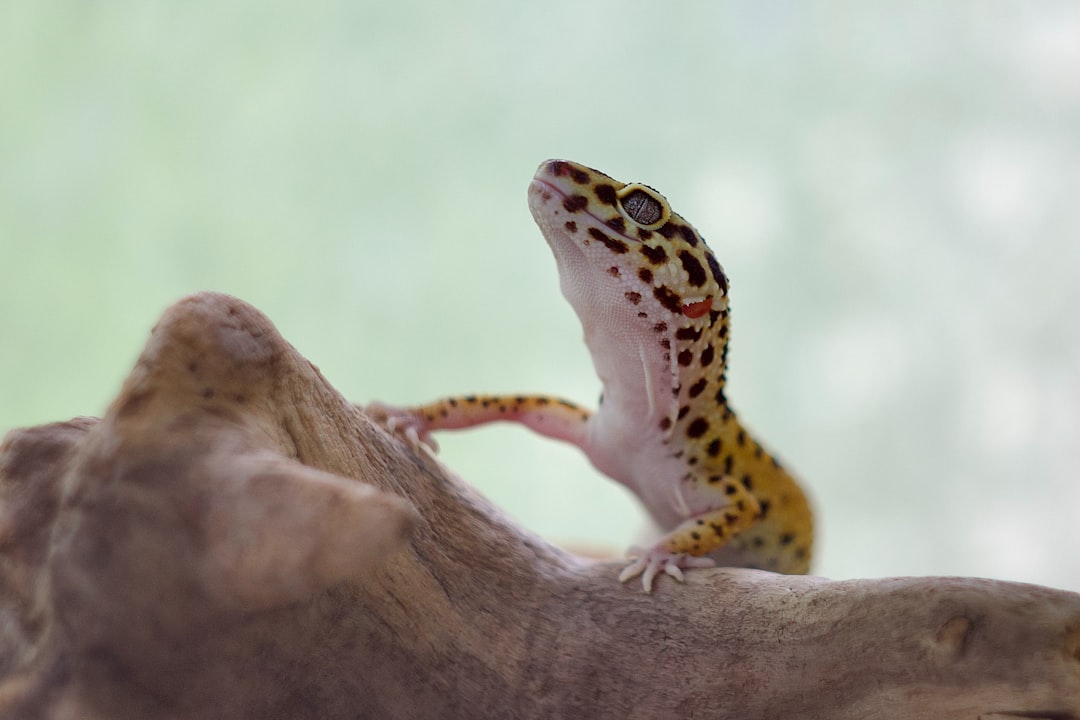
Photo by Andrey Tikhonovskiy on Unsplash
What Is UVB and Why Does It Matter?
UVB (ultraviolet B) radiation is the part of the light spectrum that enables reptiles to synthesize vitamin D3 in their skin. Vitamin D3 is essential for calcium absorption and metabolic bone health. Without it, reptiles must get D3 entirely through diet, which is possible but has limitations.
For a long time, crested geckos were lumped into the “low UVB need” category because:
- They’re crepuscular (most active at dawn and dusk)
- They live in dense forest canopy with limited direct sun exposure
- They were bred and kept successfully for decades under low-light setups
However, “successfully” is relative. Many keepers who added UVB to their setups noticed geckos that were more active, had brighter colors, displayed more confident behavior, and showed improved long-term health compared to their UVB-free counterparts.
The Research Shift: Ferguson Zones Explained
The Ferguson Zone system classifies reptiles by their natural UV exposure. Dr. Gary Ferguson’s work categorized crested geckos in Zone 1-2, meaning they receive low to moderate UV exposure in the wild. But “low” in the wild still means more than zero, which is what most captive setups historically provided.
Field studies of wild Correlophus ciliatus show they do bask opportunistically in dappled light, especially in the early morning. These brief basking sessions are enough to synthesize meaningful amounts of D3 through UV exposure, which the gecko then stores and draws on over time.
A key insight most care guides skip: even animals in “shaded” habitats receive incidental UVB through reflected and scattered light. A forest canopy does not block all UV. In fact, UVI (UV Index) readings under dense tropical canopy still commonly register between 0.5 and 2.0. A zero-UV enclosure is not natural for any wild reptile.
Supplement D3 vs. UVB: Can You Skip the Light?
You can provide D3 through calcium supplements dusted on feeders. Many keepers have done this for decades without obvious problems. But there are real limitations to this approach:
Overdose risk: Dietary D3 from animal-based sources (D3 cholecalciferol in supplements) can accumulate to toxic levels if overdosed. UV-synthesized D3 in the skin, by contrast, is self-regulating: the body breaks down excess provitamin D before it converts, preventing toxicity.
Absorption variables: Gut-loaded feeders and dusted prey rely on the gecko eating consistently and digesting well. A gecko that goes off feed for a few weeks, which is common during breeding season or temperature stress, may fall short on D3 intake.
Missing the full spectrum: UVB provides more than just D3. Research in other reptiles suggests UV exposure plays a role in immune function, circadian rhythm, mental stimulation, and general wellbeing in ways that supplement dusting does not replicate.
Practical UVB Setup for Crested Geckos
You do not need a blazing desert lamp. Crested geckos require a low-level UVB source, not a high-output basking setup.
Choosing the Right Bulb
Look for T5 HO or T8 fluorescent UVB bulbs with a UVI of 1.0 to 2.0 at basking distance. Arcadia’s 6% Forest Canopy and Zoo Med’s ReptiSun 5.0 are well-matched for crested gecko enclosures. Avoid mercury vapor bulbs, which produce UVB levels suited to desert species and can overheat a crested gecko enclosure.
Recommended option: Arcadia Forest Canopy 6% T5 HO UVB Bulb
Mounting Distance Matters
UVB output drops quickly with distance. Mount the bulb so the gecko can position itself 6 to 12 inches from the light if it chooses. This provides a UVI of roughly 1.0 to 2.0, which falls within the Ferguson Zone 1-2 range.
Using a mesh screen lid reduces UVB transmission by 30 to 50%. Account for this when positioning your fixture. Some keepers mount UVB fixtures inside the enclosure or use open-top designs to avoid this loss.
Give Them a Gradient
The most important rule: always give the gecko a choice. Provide a lit area where UVB is available and a shaded retreat where it can move away from UV exposure entirely. This lets the gecko self-regulate and prevents any risk of overexposure.
A bioactive planted enclosure with a canopy of live plants is ideal because it naturally creates a UV gradient that mimics the patchy light of a forest floor.
Photo Period
Run your UVB light on a consistent 12-hour cycle in summer and a 10-hour cycle in winter. This also helps simulate natural seasonal changes, which can support reproductive cycling in breeding animals.
Recommended timer: BN-LINK Digital Outlet Timer for Reptile Enclosures
Signs a Crested Gecko May Be D3-Deficient
Whether you are using UVB or supplements, watch for these warning signs:
- Soft or rubbery jaw (metabolic bone disease in early stages)
- Tremors or twitching, especially in the limbs
- Difficulty climbing or gripping surfaces
- Lethargic behavior inconsistent with natural crepuscular patterns
- Loss of appetite that persists longer than seasonal norms
If you notice these signs, consult a reptile vet immediately. MBD can progress quickly and is much easier to correct in early stages.
Upgrading an Existing Setup
If your crested gecko has lived in a no-UVB setup for years, you can introduce UVB gradually. Start with short exposures (4 to 6 hours per day) and observe your gecko’s behavior over several weeks before moving to a full 12-hour cycle.
A slow transition is especially important for animals that have been D3-deficient, since their skin may be more sensitive to UV exposure initially.
Recommended full-kit option: Zoo Med ReptiSun 5.0 UVB T8 Kit with Reflector Dome
The UV-B Guide for Reptiles by Frances Baines is the most comprehensive public resource on reptile UV requirements and bulb testing.
FAQ
Can crested geckos live without UVB? Yes, many do for years, especially when calcium with D3 supplements are used consistently. However, current evidence suggests UVB improves overall health, behavior, and long-term wellbeing. It is now considered best practice by most experienced keepers.
Will UVB overheat my crested gecko’s enclosure? UVB bulbs designed for forest species produce minimal heat. If your enclosure is already near the top of the crested gecko’s preferred temperature range (72 to 78 degrees F), monitor temperatures after adding a UVB fixture to ensure you are not pushing past 80 degrees F during the day. Avoid combined heat and UVB bulbs for crestie setups.
How often do I need to replace the UVB bulb? UVB output declines before the bulb visibly dims. Replace T5 HO bulbs every 12 months. Replace T8 bulbs every 6 months. Use a Solarmeter 6.5 UV Index meter to track actual UVI output if you want precise readings.
Does the type of glass or mesh affect UVB penetration? Yes, significantly. Standard glass blocks all UVB. Mesh screens block 30 to 50%. Purpose-built UVB-transparent acrylic transmits most of the UV spectrum but is less common. Design your lighting with these factors in mind.
Is UVB necessary for baby crested geckos? Juveniles benefit from UVB just as adults do, and growing animals have especially high calcium demands. If you are raising hatchlings, a properly positioned low-level UVB source is a worthwhile addition to their setup from the start. —
Related Reading
Lighting is just one piece of the puzzle. Check our Crested Gecko Enclosure Setup guide for the full habitat breakdown.