Crested Gecko Enclosure Setup: Step-by-Step Guide
This post contains affiliate links. As an Amazon Associate, I earn from qualifying purchases at no extra cost to you.
Getting the enclosure right before your gecko arrives is the single most important thing you can do as a new keeper. A properly set up tank means less stress for your gecko and fewer problems for you in the first weeks. This guide walks through every component in order, so you can set up with confidence.
Choosing the Right Enclosure
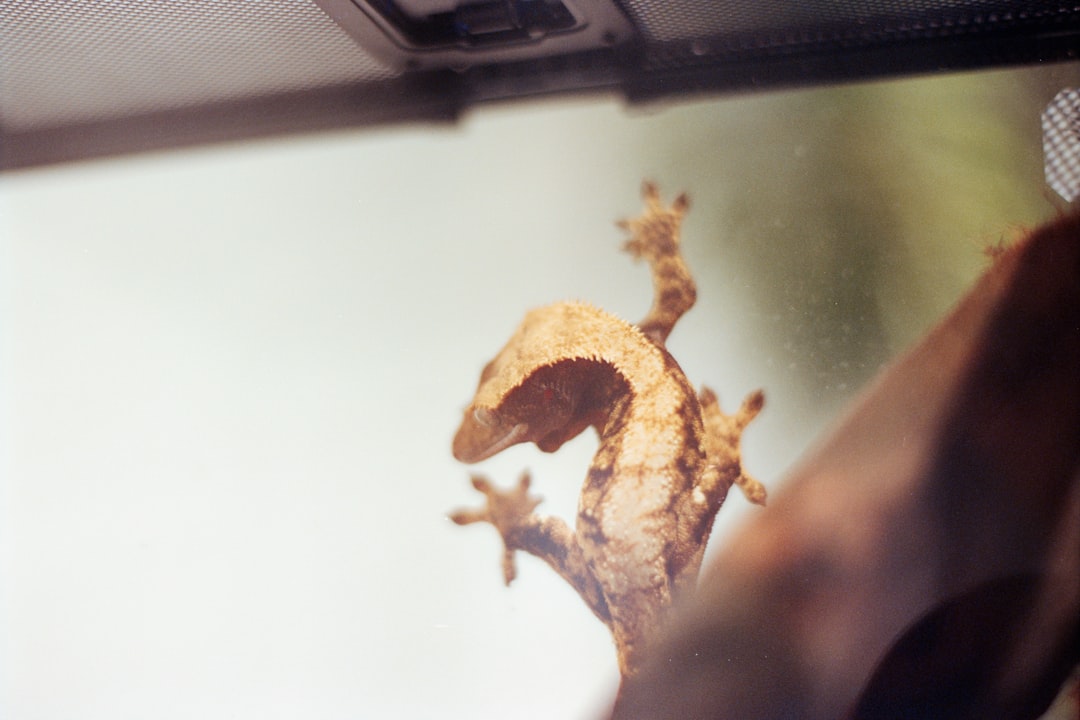
Crested geckos are arboreal, meaning they spend most of their time climbing rather than walking across the ground. This means height matters more than floor space when choosing a tank.
For a single adult crested gecko, the minimum is a 20-gallon tall enclosure. The ideal size is 18” x 18” x 24” which gives enough vertical space for climbing while keeping the enclosure manageable to maintain. Bigger is generally better, but anything under 20 gallons for an adult will cause chronic stress.
For juveniles under 10 grams, start in something smaller like a 6-quart plastic tub or a 10-gallon tank. Young geckos have trouble locating food in large spaces and can become stressed in enclosures that feel exposed.
Glass terrariums with front-opening doors are the best choice for most keepers. They hold humidity better than screen-only enclosures and front access makes feeding and cleaning less disruptive for the gecko. The Exo Terra 18x18x24 Glass Terrarium is purpose-built for arboreal species and is the most commonly recommended option in the hobby.
Drainage Layer
Before adding substrate, add a drainage layer at the bottom of the enclosure. This prevents water from pooling at the roots of plants or soaking the substrate during misting.
Use 1 to 2 inches of hydroton clay balls or lava rock. Place a sheet of fine mesh or weed barrier fabric on top to separate the drainage layer from the substrate above.
This step is optional if you’re using paper towels, but essential for any naturalistic or bioactive setup.
Substrate
The substrate is the material covering the floor of your enclosure. For crested geckos, it needs to hold humidity without staying waterlogged.
Good options include:
- Coco fiber (coconut husk fiber) – affordable, holds humidity well, easy to replace
- ABG mix (a blend of orchid bark, coconut fiber, charcoal, and sphagnum moss) – better for bioactive setups with live plants
- Paper towels – zero humidity retention but useful for quarantine, sick geckos, or very young juveniles
Aim for a 2 to 3 inch substrate layer. This gives the gecko something to dig into occasionally and helps regulate humidity more evenly than a thin layer.
Avoid calcium sand, reptile carpet, and wood shavings. Sand can cause impaction if ingested, carpet harbors bacteria and tears toenails, and wood shavings are too dry and can contain harmful oils.
Hides
Your gecko needs at least two hides: one on the warmer upper portion of the enclosure and one lower down where temperatures are cooler. Hides give the gecko a place to feel secure during the day when it’s resting.
Cork bark tubes are the best natural option. They’re lightweight, hold up to humidity, look natural, and come in sizes large enough for adult geckos to fully conceal themselves. Artificial cave-style hides also work and are easier to clean.
The hide should be snug enough that the gecko feels enclosed but large enough to turn around inside. If the gecko is never using a hide, it’s usually too large or positioned in a spot with too much light.
Climbing and Enrichment
Since crested geckos live vertically, the interior of the enclosure needs vertical structure. Without climbing opportunities, geckos will spend most of their time huddled in one corner.
Add a combination of:
- Vertical cork bark flats or rounds mounted to the enclosure wall
- Bamboo or wood branches at various angles
- Artificial or live plants for cover and texture
Live plants are worth considering even for beginners. Pothos, bromeliads, and ficus are hardy, non-toxic to geckos, and help maintain humidity naturally. Artificial plants require zero maintenance and work just as well for the gecko’s comfort.
Leave open space between climbing elements. Crested geckos like to move across the enclosure at different heights, so a mix of diagonal and vertical pieces works better than filling every inch.
Temperature Setup
Crested geckos thrive between 68 and 78 degrees Fahrenheit. They are one of the few reptiles that do not require supplemental heating in most homes, as long as ambient room temperature stays within this range.
Anything above 80 degrees for an extended period causes heat stress and can kill a gecko within hours. Check where you plan to place the enclosure relative to heating vents, windows with direct sun, and other heat sources before committing to a location.
If your home drops below 65 degrees at night in winter, a low-wattage ceramic heat emitter (CHE) on a quality thermostat will bring temperatures up without producing light that disrupts their sleep cycle. Never use heat rocks or under-tank heaters for arboreal species.
Place a digital thermometer at the top and bottom of the enclosure to track the temperature gradient. The Zoo Med Digital Thermometer is inexpensive and reliable for this.
Humidity Setup
Target 60 to 80 percent humidity with a daily drop to around 50 percent during the day. This wet and dry cycle mimics the natural environment of New Caledonia, where crested geckos originate.
Mist the enclosure once in the evening when the gecko becomes active and again in the morning if humidity has dropped too low overnight. Use a simple spray bottle to start. A pressure sprayer makes this faster if you have multiple enclosures.
Monitor humidity with a digital hygrometer. Analog gauges are notoriously inaccurate. The Govee Bluetooth Hygrometer is a popular choice because it logs data and sends alerts if humidity goes out of range.
Lighting
Crested geckos are crepuscular, meaning they are most active at dawn and dusk. They do not require UVB lighting to survive, but recent research suggests low-level UVB exposure may improve long-term health and calcium metabolism.
If you choose to add UVB, a 2.0 or 5.0 bulb on a 10 to 12 hour cycle is appropriate. Keep the enclosure out of direct sunlight regardless, as this can spike temperatures to dangerous levels within minutes.
A basic LED light on a timer is enough to maintain a natural day and night cycle and to grow live plants if you include them.
Water and Food Dishes
Crested geckos drink water droplets from misting rather than from standing water in most cases, but keep a small shallow dish available at all times anyway. Change the water every one to two days.
Food dishes should sit off the ground at mid to upper enclosure height, since crested geckos feed above ground level in the wild. Small magnetic ledge dishes or suction-cup mounted cups keep food accessible and easy to remove for cleaning.
Final Checklist Before Adding Your Gecko
Before introducing a gecko, run the enclosure for at least 48 hours and confirm:
- Temperature stays between 68 and 78 degrees at all times
- Humidity reaches 70 percent after misting and drops to around 50 percent before the next misting cycle
- Both hides are in place and appropriately sized
- No sharp edges, loose decorations, or unstable climbing elements
- Food and water dishes are in position
A 48-hour test run catches problems before they affect the gecko and lets the substrate off-gas any residual odors from new materials.
For a detailed breakdown of lighting requirements, ReptiFiles’ crested gecko lighting guide is one of the most thorough resources available.
FAQ
Can I use a screen enclosure for a crested gecko? Screen enclosures lose humidity too quickly in most climates and require constant misting to maintain appropriate levels. Glass with a screen top is the better choice for most keepers outside of very humid regions.
How often should I clean the enclosure? Spot clean waste weekly. Full substrate replacement every 2 to 3 months for simple setups. Bioactive enclosures with healthy microfauna can go much longer between full cleanouts.
Do I need a lock on the enclosure? Crested geckos are not strong enough to push open a properly latched front-opening terrarium. Locks are worth adding if you have children or other pets in the home.
Can I put two crested geckos in the same enclosure? Two females can cohabitate in a 24-inch tall enclosure with enough hides and visual barriers. Never house two males together. A male and female pair will breed continuously, which stresses the female and leads to health problems.
What is the best placement for the enclosure? Choose a location with stable temperature away from windows, heating vents, and high-traffic areas. A quiet room where the gecko won’t be disturbed during the day improves feeding response and reduces stress. —
Related Reading
Next up: make sure your temps and humidity are correct. Read our Temperature and Humidity Guide.