This post contains affiliate links. As an Amazon Associate, I earn from qualifying purchases at no extra cost to you.
Choosing the right housing for a ball python is the most consequential decision you will make as a keeper. These snakes are notorious for hunger strikes and respiratory infections when their environment is even slightly off. The central conflict in any ball python enclosure setup is the battle between visibility and humidity. While many beginners are drawn to the aesthetic of a glass aquarium, the physiological needs of the snake often demand the insulation of PVC or the utility of a plastic tub. You must prioritize the animal’s need for a 60 to 80 percent humidity range and a consistent thermal gradient over your desire for a decorative display. To monitor these critical levels from day one, you’ll need to grab a digital thermometer and hygrometer to ensure your chosen housing is actually performing as expected. Failing to secure the environment leads to chronic stress, which manifests in poor sheds and suppressed immune systems. This guide breaks down the specific tradeoffs of each enclosure type so you can build a habitat that supports a healthy, thriving python for the next thirty years.
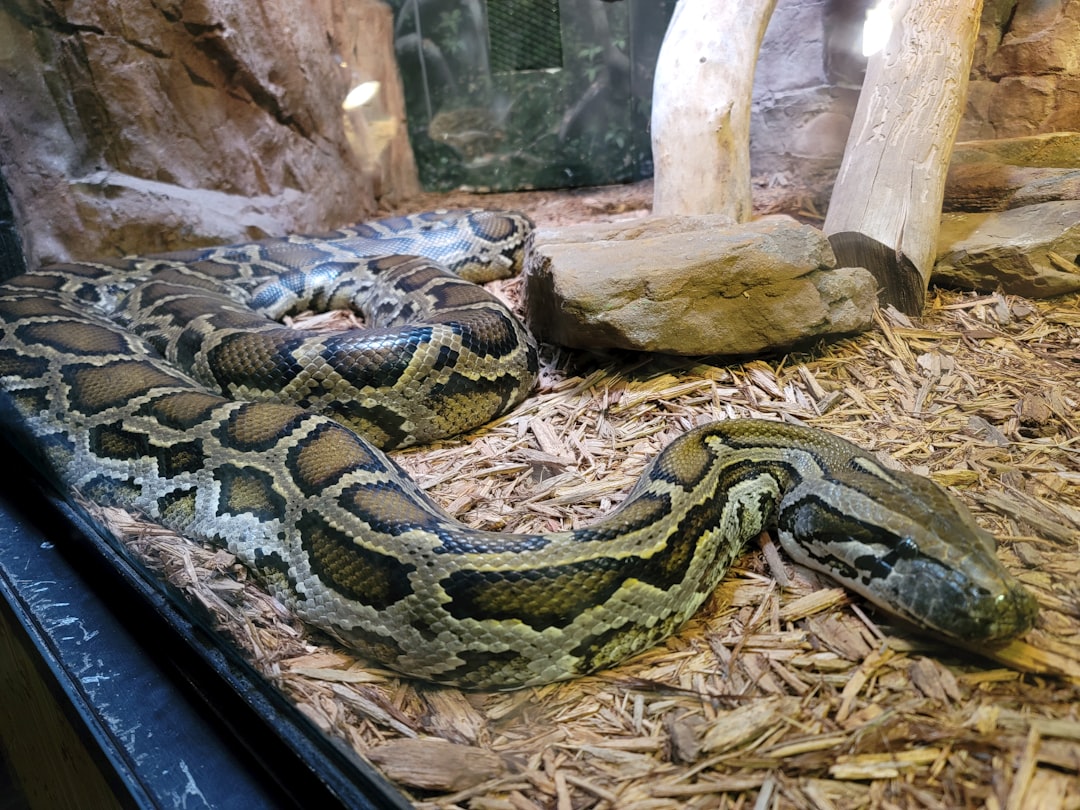
Photo by Jenish Ghaadiya on Unsplash
Glass tanks are the most accessible option on the market, often found in every local pet store. However, they are fundamentally designed for fish, not for tropical reptiles that require high ambient heat and humidity. The primary issue with a glass REPTI ZOO 50 Gallon Reptile Glass Terrarium Tank is the screen top. Because heat rises, the mesh allows your hard earned humidity and warmth to escape instantly into the room. This creates a “chimney effect” where dry air is constantly pulled into the enclosure, parching the snake’s respiratory tract. If you choose glass, you are committing to a lifetime of modifications, such as covering the mesh with HVAC tape or aluminum foil to trap moisture.
Another significant drawback of glass is the lack of security. Ball pythons are shy, nocturnal animals that feel exposed when surrounded by four transparent walls. A snake that feels watched is a snake that will not eat. To make a glass tank viable, you must black out three of the four sides with construction paper or aquarium background. This negates much of the visual appeal that leads people to buy glass in the first place. Despite these hurdles, glass does offer superior visibility for the front panel and allows for the use of overhead heating elements like ceramic heat emitters or deep heat projectors more easily than some plastic alternatives.
When setting up a glass terrarium, you must also consider the weight and fragility. A 50 gallon glass tank is heavy and difficult to move, making deep cleaning a laborious task. If the glass cracks due to thermal shock from a high wattage heat lamp or accidental impact, the entire enclosure is compromised. While the front opening doors on modern terrariums are a massive improvement over top opening fish tanks, the fundamental physics of glass as a poor insulator remains. You will likely find yourself using higher wattage heaters to maintain the necessary 90 degree Fahrenheit basking spot, which in turn dries out the air even faster. It is a cycle of constant adjustment that can be exhausting for a new keeper.
PVC enclosures have become the gold standard for ball python husbandry because they solve the two biggest problems of glass: insulation and security. A solid walled unit like the New Age Pet ECOFLEX 36 Wide Medium Reptile Habitat is made from a composite material that holds heat far better than glass or thin plastic. This means your heating elements do not have to work as hard, and the ambient temperature remains stable even if your home gets cold at night. Because these enclosures typically have solid tops or very limited ventilation, humidity levels stay locked in. You can mist the enclosure once and see the levels remain steady for days, rather than hours.
The opaque walls of a PVC cage provide an immediate sense of security for the snake. In the wild, ball pythons spend their days in abandoned termite mounds or rodent burrows. A PVC enclosure mimics this “burrow” feel by limiting the animal’s line of sight to just the front sliding or swinging doors. This often results in a more confident snake that is less likely to refuse meals. Furthermore, PVC is lightweight and impervious to rot or mold. Unlike wooden enclosures that can warp or grow fungus in high humidity, PVC handles 80 percent humidity without any structural degradation.
The main tradeoff with PVC is the initial cost and the lead times for custom manufacturers. While you can pick up a mass produced model online, high end custom PVC cages can take weeks or months to arrive. However, the investment pays for itself in reduced electricity costs and the health of the animal. Most PVC units are also stackable, which is a vital feature if you plan on expanding your collection. When you transition from a temporary setup to a permanent adult home, a 4x2x2 foot PVC cage is the most recommended configuration by the Federation of British Herpetologists and other global welfare organizations to allow for proper stretching and low level climbing.
As the hobby evolves, the consensus on minimum enclosure size is shifting toward larger habitats. While a 40 gallon tank was once considered the standard for an adult, many keepers now advocate for at least 120 gallons or a 4 foot long footprint. Using a REPTI ZOO 68 Gallon Reptile Terrariums as a starting point for a sub-adult allows you to provide a much more complex environment. A larger enclosure setup gives you the room to create a true thermal gradient. You need a distinct “hot side” and “cool side” so the snake can thermoregulate. In a small enclosure, the heat from the basking bulb often bleeds into the entire space, leaving the snake with no way to cool down.
A larger footprint also allows for more enrichment. Although ball pythons are terrestrial, many individuals will climb if given the opportunity. Sturdy branches, elevated hides, and thick layers of substrate for burrowing all contribute to a more active and healthy snake. In a cramped setup, the snake is limited to a “hide-water-hide” layout that offers little mental stimulation. By utilizing a larger enclosure, you can incorporate multiple types of hides, such as humid hides filled with sphagnum moss, which are essential during the shedding cycle.
When managing a large enclosure, you must be diligent about clutter. A common mistake is putting a small snake in a large, empty box. This will terrify the animal. The “too much space” myth is actually a “too much open space” problem. If you use a large PVC or glass enclosure, you must fill it with silk plants, cork bark, and multiple hides so the snake can move from one end to the other without being seen from above. This mimics the dense undergrowth of their native African habitat. Large enclosures also require more robust cleaning routines, but the benefit of seeing your snake exhibit natural behaviors like tongue flicking and exploring is worth the extra maintenance.
Setting up the enclosure properly before the snake arrives is the only way to ensure the environment is safe. You should never “fix it as you go” with a live animal inside. Follow these steps to prepare a stable habitat.
SAFETY WARNING: All electrical heating elements must be regulated by a thermostat to prevent fire hazards and animal burns. Ensure all wires are tucked away and cannot be pulled down by the snake. If you use overhead heating, a cage guard is mandatory to prevent the snake from wrapping around a hot bulb. For any concerns regarding home electrical safety or circuit overloads, consult a professional electrician. Check your smoke and CO detectors monthly as part of your reptile room maintenance.
The most frequent mistake in a ball python enclosure setup is the use of inaccurate analog dials. Those plastic “stick-on” thermometers and hygrometers sold in pet stores are notoriously inaccurate, often off by as much as 20 degrees or 30 percent humidity. Relying on them is a recipe for a respiratory infection. You must use digital probes or an infrared temperature gun to get real-time, accurate data. Another dangerous mistake is the use of adhesive tape inside the enclosure. Whether it is for securing a probe or a decoration, tape is a death trap for snakes. If the tape comes loose, it will stick to the snake’s scales, and the struggle to get free can tear the skin or cause severe injury. Always use hot glue or silicone for securing items.
Neglecting the “clutter” factor is another hurdle that leads to feeding refusals. Beginners often want a clean, minimalist look, but ball pythons hate open space. If there is a clear path from one hide to another where the snake is exposed, it will likely stay in one hide and refuse to move, even if it becomes too hot or too cold. You must break up the lines of sight. Use fake vines, leaf litter, and branches to create a “jungle” feel. If you can see your snake easily from across the room, the snake feels like a predator can see it just as easily.
Finally, do not overlook the importance of substrate depth. A thin layer of substrate dries out almost instantly. By providing a deep layer, you create a humidity reservoir. The bottom layers stay damp while the top layer stays dry, allowing moisture to evaporate slowly and maintain a consistent humidity percentage. This is much more effective than constant misting, which can lead to “scale rot” if the snake is forced to sit on soaking wet bedding. Just as you would research the specific needs for a bearded dragon, you must understand that the ball python’s environment is a delicate balance of moisture and air quality.
| Feature | Glass Tank | PVC Enclosure | Plastic Tub |
|---|---|---|---|
| Visibility | Excellent (360 degrees) | Good (Front only) | Poor (Opaque/Translucent) |
| Heat Retention | Poor (High loss) | Excellent | Good |
| Humidity Control | Difficult (Requires mods) | Easy | Very Easy |
| Durability | Fragile (Heavy) | High (Lightweight) | High (Flexible) |
| Cost | Low to Moderate | High | Very Low |
| Stackability | No | Yes | Yes (with rack) |
The table above illustrates the clear winner for long term husbandry: PVC. While a tub is excellent for breeders or temporary quarantine, it lacks the height for enrichment and the visibility for the keeper to enjoy the animal. Glass is a “project” enclosure that requires constant work to maintain. If your budget allows, starting with a PVC setup will save you the cost of replacing a glass tank later when the snake outgrows it or when you tire of fighting the humidity levels.
Can a ball python live its entire life in a 40-gallon tank? While a 40-gallon breeder tank (36x18x18 inches) is often cited as the minimum for an adult, it is not the ideal long-term solution for most ball pythons. An adult female can easily reach 4 to 5 feet in length, meaning she cannot fully stretch out in a 3-foot tank. This lack of space can lead to muscle atrophy and obesity. Modern husbandry standards, such as those recommended by ReptiFiles, suggest a 120-gallon (4x2x2 foot) enclosure as the functional minimum for an adult. This provides enough room for a proper thermal gradient, multiple hides, and climbing opportunities. If you are starting with a baby, a 40-gallon is fine, but plan for an upgrade as the snake matures.
Is it better to use a heat mat or an overhead heat lamp? For a long time, the hobby believed ball pythons needed “belly heat” to digest. We now know that in nature, heat comes from above (the sun). Overhead heating, specifically Deep Heat Projectors (DHP) or Halogen floods, provides Infrared-A and Infrared-B, which penetrates the muscle tissue more effectively than the Infrared-C produced by heat mats. Overhead heat is superior for maintaining ambient air temperatures, which is critical for preventing respiratory infections. However, if you are using a plastic tub or a PVC cage with low height, a heat mat paired with a thermostat is a safer and more practical choice. The best setup is often a combination of a DHP for daytime heat and a Ceramic Heat Emitter for supplemental nighttime warmth.
Why is my ball python always hiding and never coming out? Hiding is a sign of a secure ball python. As nocturnal animals, their natural behavior is to remain hidden during the daylight hours to avoid predators. If your snake is hiding, it means it feels safe in its environment. However, if the snake is never seen, even at night, check your temperatures. A snake that is too cold will stay on the hot side hides, while a snake that is too hot will stay on the cool side. If the temperatures are correct (90F hot side, 75-80F cool side) and the snake still hides, it is simply being a normal ball python. You can encourage more activity by adding more clutter and climbing branches, making the snake feel safe enough to explore under the cover of “foliage.”
The success of your ball python enclosure setup depends on your ability to replicate a tropical microclimate within the walls of your home. While glass tanks offer a beautiful view, they require significant modifications to meet the high humidity and heat requirements of these snakes. PVC enclosures are the superior choice for most keepers, offering a perfect balance of insulation, security, and durability. Tubs remain a viable, budget-friendly option for quarantine or large collections but fall short on enrichment potential. By prioritizing a large footprint, a regulated thermal gradient, and plenty of clutter, you provide your python with the environment it needs to live a long, stress-free life. Focus on the data provided by your digital gauges rather than the aesthetics of the tank, and your snake will reward you with consistent feeding and healthy sheds.
Bookmark this guide to reference during your next enclosure upgrade or when troubleshooting humidity issues.