How to Handle a Crested Gecko: Taming Tips That Actually Work
This post contains affiliate links. As an Amazon Associate, I earn from qualifying purchases at no extra cost to you.
Crested geckos are one of the more handleable reptiles you can keep, but that does not mean they warm up to you automatically. I have found that new keepers often rush the process and end up with a gecko that drops its tail, refuses food for a week, or bolts every time the enclosure opens. With a methodical approach and realistic expectations, most crested geckos will accept regular handling within 4-8 weeks of coming home.
Safety Note: Crested geckos can and do jump unexpectedly - sometimes from a standing start with no warning. Always handle them close to a soft surface. Sitting on the floor or over a bed is much safer than standing at chest height with the gecko. A fall from more than 3-4 feet can cause serious injury. If your gecko jumps and hits a hard surface, inspect it carefully and watch for unusual behavior, lethargy, or refusal to eat over the next 24 hours.
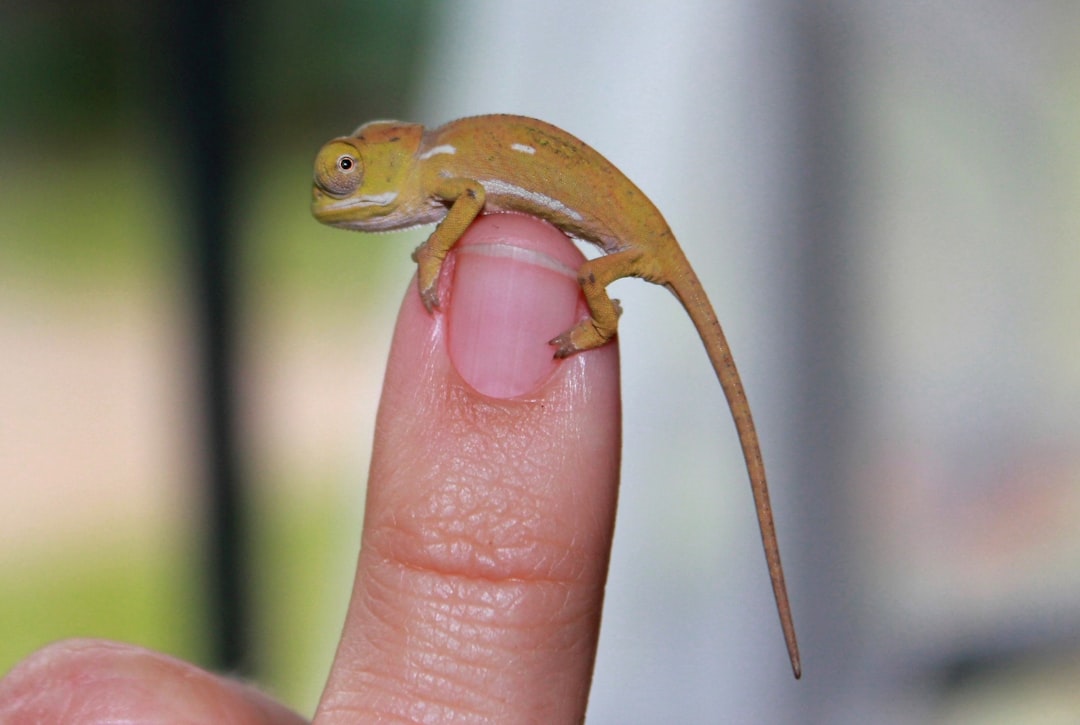
Photo by Craig Manners on Unsplash
Why Rushing Taming Backfires
When you bring a crested gecko home, it has no way of knowing you are not a predator. I recommend leaving a new gecko completely alone for the first 5-7 days. No handling, minimal enclosure maintenance, and as little visual disturbance as possible. This settling period lets the gecko map its environment, locate the food dish, and stop associating every movement near the glass with imminent danger.
Skipping this step is the single most common reason new keepers report poor temperament. A gecko that never had a chance to settle is not aggressive by nature - it is still in survival mode. The enclosure should be fully set up before the gecko arrives, with temperatures between 72-78F and humidity at 60-80%. If you are still dialing in the environment, see the crested gecko temperature and humidity guide before starting any handling.
Step 1: Scent Familiarization Before Physical Contact
Before you pick up your gecko, spend a few sessions just opening the enclosure and letting your hand rest near the entrance. Do not reach in and do not grab. I do this for 3-5 minutes per session, once a day, for the first few days after the initial quarantine period ends. The gecko learns that your scent is not associated with a threat and that the enclosure opening does not automatically mean something bad happens.
Some keepers report faster results by putting a small amount of crested gecko meal replacement powder on their fingertip as a lure. A tiny smear of Pangea or Repashy on your finger can prompt a curious gecko to approach voluntarily rather than having you approach it. Voluntary contact is far more valuable, behaviorally speaking, than any amount of forced handling. It shifts the dynamic from predator-prey to food-source, which is a much better foundation.
Step 2: The Cup Method for First Handling Sessions
Rather than grabbing your gecko directly, I prefer using the cup method for early sessions. Place a small open container - a plastic deli cup works perfectly - next to the gecko and encourage it to walk in by positioning your other hand behind it as a gentle guide. The goal is for the gecko to step into the cup on its own terms rather than being scooped up.
This approach removes the sensation of being grabbed from above, which closely mimics a bird or snake strike and reliably triggers a flight response. Once the gecko is in the cup, carry it to a handling area and allow it to walk from the cup edge onto your hand. In my experience, geckos that would jump and flee from direct picking up are noticeably calmer when they feel like they entered the situation themselves.
Keep the first few cup sessions to 5 minutes or less. End the session while the gecko is still calm, not after it starts showing stress signs. A session that ends calmly is one the gecko does not learn to dread.
Step 3: Cupped-Hand Walking
The core technique for handling crested geckos is what most experienced keepers call “walking the hands.” You move the hand the gecko is about to step off forward and slightly lower, so the gecko always has a new foothold available. Think of it as a slow-motion escalator. The gecko is always moving forward but never running out of surface.
I do this while sitting cross-legged on the floor during early sessions. The low position limits fall height, and being seated makes me less visually imposing to the gecko. Do not try to hold the gecko still - stillness is unnatural to them and increases anxiety. Movement that the gecko controls is calming; forced restraint is not.
Keep sessions at 5 minutes for the first two weeks, then gradually extend to 10-15 minutes as the gecko becomes more settled. Three to four sessions per week is a good cadence during active taming.
Step 4: Reading Crested Gecko Body Language
Crested geckos communicate clearly if you know what to look for. I have found that keepers who miss these signals consistently struggle with taming because they inadvertently push past the gecko’s comfort threshold.
Signs the session should end:
- Chirping or barking - this is an active stress call and means the gecko feels genuinely threatened
- Rapid darkening to a very deep charcoal or near-black color (distinct from normal day coloration)
- Tail waving - this is a precursor to jumping or dropping, not a greeting
- Repeated attempts to climb up your arm and away from your hands
- Frantic, disorganized movement rather than deliberate stepping
Signs the gecko is comfortable:
- Slow, deliberate movement from hand to hand
- Willingness to pause and stay on one hand rather than constantly walking
- Normal coloration rather than stress-darkened
- Approaching the enclosure glass willingly when it sees you during the day
Recognizing stress signs early and ending the session proactively does more for long-term taming than pushing through resistance. A gecko that chooses to stay is better than one that tolerates being held.
How Long Does Taming Actually Take?
For most captive-bred crested geckos purchased as juveniles, expect calm and predictable handling by 6-10 weeks with consistent sessions starting after the initial settling period. Wild-caught or “farm bred” animals take longer - sometimes significantly - and a small percentage never become comfortable with regular handling regardless of technique.
Age at purchase matters. Hatchlings under 3 months old are too fast and fragile for safe handling practice. I recommend waiting until a gecko reaches at least 10-12 grams before starting any taming sessions. An inexpensive digital kitchen scale that reads to 0.1 gram is worth having anyway since regular weight checks are the most reliable early indicator of health problems.
Genetics matter too. Some bloodlines and some individual geckos are simply more nervous than others. If you have done everything right and your gecko is still very flighty after 12 weeks, that is probably its personality rather than a training failure.
Handling Frequency and Timing Rules
Once your gecko is comfortable, a schedule of 3-4 sessions per week at 10-20 minutes each works well for most adults. A few specific situations call for no handling at all:
- Within 24-48 hours of a feeding night
- While the gecko is in shed - the skin is under tension and the gecko is already stressed
- For 2-3 days after any significant environmental change, including a new enclosure setup, a temperature fluctuation, or the introduction of a new enclosure mate
- If the gecko has not eaten in the past week and you cannot identify why
For background on how feeding schedules interact with handling windows, the crested gecko feeding guide covers meal replacement powder schedules and live feeder timing by age group.
Tail Dropping: What To Do If It Happens
Crested geckos are one of the few gecko species that do not regenerate a dropped tail, so tail loss is permanent. If your gecko drops its tail during a handling session, end the session immediately and return the gecko to its enclosure. Inspect the tail stump over the next 1-2 weeks for signs of infection - redness that spreads, swelling, discharge, or the gecko straining during elimination.
The stump typically heals cleanly within 2-3 weeks without intervention. If it looks infected, a reptile vet visit is warranted. I have found that most geckos continue to tame well after tail loss once they have recovered. The tail drop means the session crossed a stress threshold - take a step back in the taming process for a week or two and move more slowly when you resume.
The most common cause of tail drops during handling is attempting to catch a gecko that is jumping or falling rather than letting it land safely. If your gecko leaps, let it land rather than trying to grab it mid-air. The grab itself is more likely to cause a drop than the fall.
Children and Crested Gecko Handling
Children can handle crested geckos safely with adult supervision, but the setup matters. Have the child sit on the floor with an adult’s hands underneath at all times until the gecko is reliably predictable. Children should not hold a crested gecko near their face - even a typically docile gecko can bite reflexively if it feels threatened and finds itself near a nose or eye.
Short sessions work best with children. Five minutes of successful handling is better than ten minutes that ends with a stressed gecko or a bitten finger. Make it a calm, positive experience and the gecko will continue to improve with each interaction.
For more context on whether crested geckos are appropriate pets for different household situations, see Are Crested Geckos Good Pets for Beginners?.
Hygiene: Before and After Every Session
Wash your hands with unscented soap before handling. Scented lotions and soaps can irritate the gecko’s skin, and food scents on your fingers may trigger an exploratory nip. After handling, wash again to reduce Salmonella risk. All reptiles may carry Salmonella asymptomatically, and transmission to humans is well documented.
The Centers for Disease Control and Prevention recommends that people with compromised immune systems, children under 5, pregnant women, and adults over 65 avoid handling reptiles or wash hands thoroughly and immediately after contact. This is standard advice for any reptile, not specific to crested geckos.
FAQ
How long does it take to tame a crested gecko?
Most captive-bred crested geckos become reliably handleable within 6-10 weeks of consistent daily sessions, starting after a 5-7 day settling-in period. Some individuals take 3-4 months, and a small percentage remain flighty regardless of technique. Genetics and the conditions of early life before you purchased the gecko both affect baseline temperament.
Why does my crested gecko keep jumping off my hand?
Jumping is usually caused by handling sessions that are too long, too early in the taming process, or in an environment the gecko finds stressful - too much noise, bright light, or a location that feels exposed. Try shorter sessions on the floor in a quieter space, and use the cupped-hand walking technique rather than holding the gecko stationary.
Can crested geckos bite during handling?
Yes, though bites from well-tamed geckos are rare and usually do not break skin. Biting is almost always a stress response - either from being grabbed too quickly or from catching the scent of food on your hands. A gecko that is in an established routine of calm handling rarely bites outside of accidental food-scent situations.
Should I handle my crested gecko every day?
During the early taming phase, daily short sessions help build familiarity faster. Once tamed, 3-4 sessions per week is a sustainable maintenance schedule. Daily handling is not harmful for a well-adjusted adult, but rest days reduce cumulative stress, particularly if the gecko has had any other disruptions that week.
What if my crested gecko cracks its eyelids at me?
Crested geckos do not have movable eyelids - they clean their eyes with their tongue. What looks like squinting is usually a response to bright light or the early stage of a shed that involves the eye caps. If you notice cloudiness around the eyes or difficulty opening them, check the humidity in the enclosure and consult a reptile vet if it persists. This is separate from handling behavior but worth noting since it can affect how the gecko responds during sessions.
Related Reading
- Crested Gecko Temperature and Humidity Guide
- Crested Gecko Shedding: What Is Normal, What Is Not
- Are Crested Geckos Good Pets for Beginners?
If your gecko is responding poorly to handling sessions and you have ruled out technique issues, the shedding guide covers how retained shed affects gecko behavior and what to look for.