Crested Gecko Temperature and Humidity: Exact Ranges, Misting Schedule, and Setup
This post contains affiliate links. As an Amazon Associate, I earn from qualifying purchases at no extra cost to you.
Getting temperature and humidity right is the single most impactful thing you can do for your crested gecko’s long-term health. Unlike ball pythons or bearded dragons, crested geckos come from a temperate island climate that most hobbyists underestimate. New Caledonia is not a tropical rainforest – and that distinction changes how you should approach every aspect of your setup.
This guide covers the full picture: target ranges, the biology behind why those ranges matter, how to monitor and maintain them, and what to do when things go wrong.
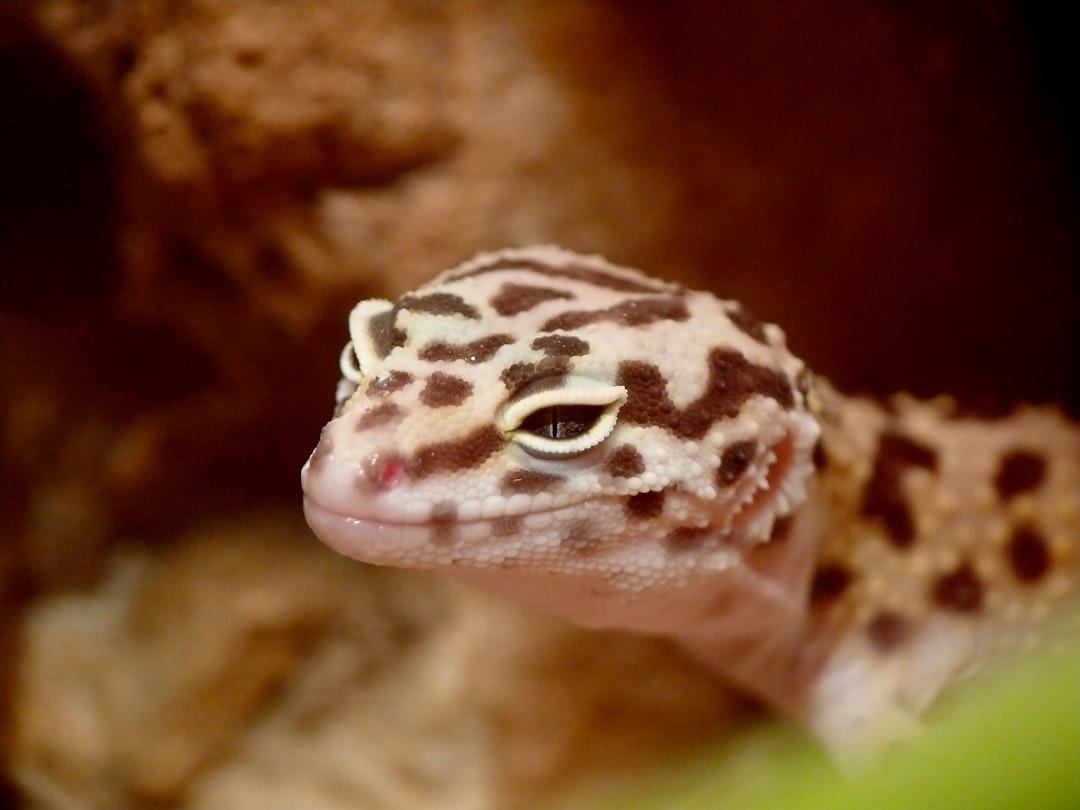
Why Temperature and Humidity Are Critical for Crested Geckos
Crested geckos (Correlophus ciliatus) are ectotherms, meaning they rely entirely on their environment to regulate body temperature. Unlike mammals, they cannot generate internal heat. Every metabolic process – digestion, immune response, reproduction, growth – runs at a rate determined by ambient temperature.
Humidity affects equally important systems. Proper humidity levels keep the respiratory tract moist, facilitate clean sheds, and support skin elasticity. Chronic low humidity is one of the most common causes of retained shed, which can restrict blood flow to digits and tails if left unaddressed.
The challenge with crested geckos specifically is that the acceptable ranges are narrower than for many other commonly kept reptiles, and the consequences of exceeding the upper limits can be rapid and severe.
Safety note: If you use any supplemental heat source (heat mat, radiant heat panel, or ceramic heat emitter), always pair it with a thermostat. Unregulated heat is a leading cause of overheating deaths in crested geckos. They cannot escape a hot enclosure the way they would in the wild.
Ideal Crested Gecko Temperature Range
The target daytime temperature for crested geckos is 72-78 degrees Fahrenheit (22-26 degrees Celsius). Most rooms in a climate-controlled home fall within this range without any supplemental heating, which is one reason crested geckos are an excellent choice for beginners.
The upper limit is more critical than the lower. Sustained temperatures above 82 degrees Fahrenheit (28 degrees Celsius) cause heat stress, and temperatures above 85 degrees Fahrenheit (29.5 degrees Celsius) can be fatal within hours. In our experience with summer months in a non-air-conditioned room, we have seen geckos stop eating and become lethargic well before temps hit 83 – the stress response kicks in early.
If your home regularly exceeds 80 degrees Fahrenheit during warm months, you have several options:
- Move the enclosure to a cooler interior room or basement
- Use a small USB fan to improve air circulation around (not into) the enclosure
- Place sealed ice packs near (not inside) the enclosure during peak heat hours
- Run central air or a room air conditioner
If you live somewhere that gets cold winters, brief dips to 65 degrees Fahrenheit are tolerable and even beneficial. Sustained temperatures below 60 degrees Fahrenheit, however, will suppress appetite and immune function.
The Temperature Drop: Why Nighttime Cooling Matters
Most care guides give you a static daytime target and stop there. What they understate is the importance of a daily temperature swing of 8-12 degrees Fahrenheit between day and night.
In New Caledonia, crested geckos experience significant diurnal temperature variation. Nights are noticeably cooler than afternoons. This oscillation is not incidental – it appears to regulate appetite cycles, breeding behavior, and metabolic rhythms. Keepers who maintain a static 75 degrees Fahrenheit around the clock sometimes report geckos that are reluctant feeders or show lower activity levels, particularly at night when these animals are naturally most active.
Allowing the enclosure to cool naturally to 65-68 degrees Fahrenheit at night (by simply not supplementing heat overnight) is one of the simplest and most effective welfare improvements you can make. This is especially easy in homes that cool down after sundown.
Crested Gecko Humidity Requirements
The recommended crested gecko humidity range is 60-80% relative humidity, with a wet-dry cycle being more important than a constant static number.
A wet-dry cycle means humidity rises during and immediately after misting (to 80-100%), then gradually falls to 50-60% before the next misting session. This mirrors what crested geckos experience in the wild: morning dew and intermittent rainfall, followed by drier periods as the day progresses.
Chronic high humidity above 80% with poor ventilation creates a far more serious problem than brief spikes: bacterial and fungal growth in substrate and on decor, respiratory infections, and scale rot. Screen-top enclosures vent excess humidity effectively – the type of enclosure you use has a big effect here, and if you are still choosing one, our Best Crested Gecko Enclosures buyer’s guide covers how ventilation design varies across popular models. If you are using a front-opening glass enclosure with minimal top ventilation, reduce misting frequency and monitor closely.
Conversely, sustained humidity below 50% causes incomplete sheds and dry, irritated skin. Check digits and eye caps after every shed cycle – these are the first places retained shed becomes dangerous.
How to Monitor Crested Gecko Temperature and Humidity
Accurate monitoring is non-negotiable. Analog gauges sold at pet stores are notoriously inaccurate, often reading 10-15% off on humidity. Digital sensors with calibration capability are worth the investment.
The Govee Bluetooth Thermometer Hygrometer is a reliable and affordable option. It logs data to a smartphone app, so you can review temperature and humidity trends over days rather than just checking a single reading when you happen to walk by. This matters because the conditions at 3 AM (when your gecko is most active) may differ significantly from what you observe at noon.
For keepers who want a second sensor at a lower price point, the REPTIZOO Digital Reptile Thermometer Hygrometer is a solid backup unit to place at the opposite end of the enclosure – it mounts easily with a hook or suction cup and is built specifically for reptile tanks.
Place sensors mid-enclosure, away from the glass and any heat sources. If you have a tall enclosure, a second sensor near the top can help you understand the thermal gradient.
Misting Schedules That Actually Work
There is no universal misting schedule because homes vary in baseline humidity, air flow, enclosure size, and substrate type. Here is a framework to calibrate from:
Standard starting point: Mist once in the evening (heavier) and once lightly in the morning, then allow the enclosure to dry out between sessions.
Summer in dry climates: You may need to mist twice in the evening or add a midday light mist.
Winter in humid climates: Once daily or every other day may be sufficient.
For keepers who travel frequently or want hands-off consistency, the Exo Terra Monsoon RS400 Automatic Rainfall System is a programmable automatic misting system designed for terrariums. You can set duration and timing for up to two daily misting cycles, which removes the single biggest variable in humidity management: human consistency. See the manufacturer’s product page for installation details and compatible nozzle configurations.
When misting, use dechlorinated or filtered water. Tap water minerals accumulate on glass and decor over time and can be a mild irritant.
Troubleshooting Common Temperature and Humidity Problems
Humidity won’t stay up: Check enclosure screen coverage. Large screen panels ventilate aggressively. Covering 50-70% of the top with glass or acrylic retains moisture significantly longer without compromising air quality. Cork background panels also absorb and slowly release moisture.
Humidity stays too high: Increase ventilation, reduce misting frequency, and check that substrate is not sitting in standing water at the bottom of the enclosure. A drainage layer (leca or hydroballs) under bioactive substrate prevents anaerobic conditions.
Temperature spikes in summer: Move the enclosure, add airflow, or invest in climate control. The Inkbird ITC-308 Temperature Controller can be paired with a small USB fan or cooling device to automate temperature management, though for most keepers, repositioning the enclosure is the simpler solution.
Gecko won’t shed cleanly: Check humidity levels during the week before shedding. Geckos often become reclusive and eat less in the 24-48 hours before a shed. A humid hide (a small hide filled with damp sphagnum moss) gives them a microclimate for shedding without raising ambient humidity to problematic levels. For more on how lighting cycles interact with shedding and general wellbeing, see our guide on whether crested geckos need UVB lighting.
Recommended Products
- Govee Bluetooth Thermometer Hygrometer – Accurate digital monitoring with data logging via smartphone app. One of the best low-cost options for enclosure climate tracking.
- Exo Terra Monsoon RS400 Automatic Rainfall System – Programmable dual-outlet misting system for consistent humidity maintenance.
- Inkbird ITC-308 Temperature Controller – Plug-and-play thermostat for controlling any heating or cooling device. Useful if your room temperatures swing unpredictably.
- REPTIZOO Digital Reptile Thermometer Hygrometer – Affordable backup sensor designed for reptile tanks, with hook and suction cup mounting. Good for dual-point monitoring in larger enclosures.
FAQ
What temperature is too hot for a crested gecko? Anything sustained above 82 degrees Fahrenheit (28 degrees Celsius) causes heat stress. Brief spikes to 84 degrees in a well-ventilated enclosure may be tolerated, but anything above 85 degrees Fahrenheit for more than an hour is a medical emergency. Remove the gecko to a cooler location immediately.
Do crested geckos need a heat lamp? Usually not. Most homes stay within the 72-78 degree range naturally. Heat lamps are generally unnecessary and can create hot spots that are dangerous if not thermostat-controlled. If your home drops below 65 degrees Fahrenheit in winter, a low-wattage ceramic heat emitter (CHE) on a thermostat is safer than a lamp.
How often should I mist my crested gecko enclosure? Once to twice daily is typical, with the heavier misting in the evening. Allow the enclosure to dry to 50-60% humidity before misting again. Monitor with a digital hygrometer rather than following a fixed schedule blindly.
Can crested geckos live in a room without air conditioning? It depends on your location and the season. Crested geckos can handle brief periods above 80 degrees but are at serious risk when temps approach 85 degrees. In hot climates, air conditioning or a dedicated cooled room is necessary during summer months.
Why does my crested gecko seem less active when humidity is low? Crested geckos are crepuscular and most active after dark when humidity in their native habitat naturally rises. Low humidity can cause mild dehydration and discomfort, both of which suppress normal activity. Check that evening humidity is reaching 70-80% after misting.
Bookmark this guide and check out our Best Crested Gecko Enclosures buyer’s guide next – enclosure choice has a significant effect on how well your setup holds humidity and temperature.
Related reading: Do Crested Geckos Need UVB Lighting?