Crested Gecko Weight and Growth Chart by Age
Knowing how much your crested gecko should weigh at any given age is one of the most useful things you can track as a keeper. Weight tells you whether your gecko is eating enough, growing on schedule, and staying healthy - far more reliably than visual observation alone. A gecko that looks fine can still be underweight, and a gecko you’re worried about may actually be right on track.
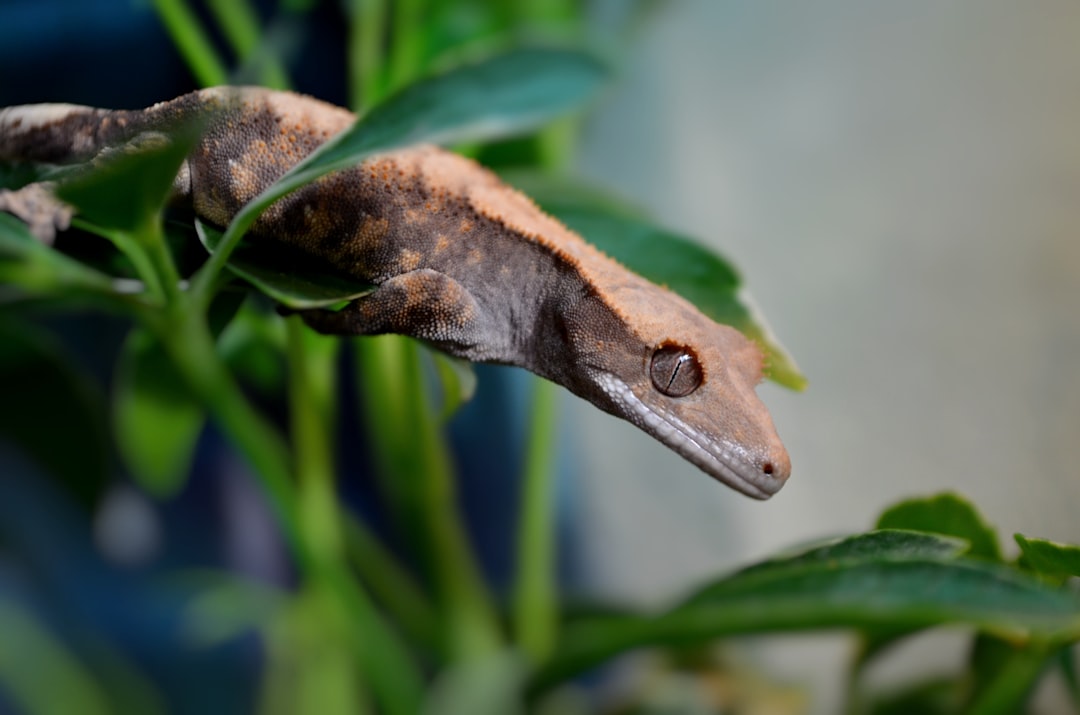
This guide walks through average crested gecko weights by age, explains what the numbers mean in practice, and covers what to do when your gecko falls outside the expected range.
Why Weight Tracking Matters More Than Visual Assessment
Crested geckos are expert at looking normal even when they’re not. Their dorsal crests and soft, rounded bodies make it genuinely difficult to spot early weight loss by eye. By the time a gecko looks visibly thin - particularly when you can see the hip bones or the base of the tail clearly - it has often lost a meaningful percentage of body mass.
We weigh every gecko in our collection at least once a month and log each measurement. It takes about five minutes total for a small collection, and it has flagged health issues well before they became serious - a gecko holding steady at a weight it should have passed months ago, or one that dropped a gram over two weeks for no obvious reason.
A basic digital scale that reads in 0.1-gram increments is all you need. The American Weigh Scales Gemini-20 Portable Milligram Scale is a common choice among reptile keepers - it reads down to 0.001 grams, which is genuinely useful for monitoring hatchlings.
Crested Gecko Weight Chart by Age
These are average ranges under typical captive husbandry. Individual variation is normal - genetics, feeding frequency, diet brand, and enclosure conditions all affect growth rate. Use this as a reference, not a rigid target.
| Age | Average Weight Range |
|---|---|
| Hatchling (0-1 month) | 1.5 - 3 g |
| 2 months | 2 - 4 g |
| 3 months | 3 - 6 g |
| 4 months | 4 - 8 g |
| 6 months | 7 - 12 g |
| 9 months | 12 - 18 g |
| 12 months (1 year) | 18 - 30 g |
| 18 months | 25 - 38 g |
| 24 months (2 years) | 35 - 55 g |
| Adult (3+ years) | 35 - 65 g |
Adult males typically stabilize between 35-45 g. Adult females generally run heavier - 45-65 g is normal, and gravid females can push higher temporarily. A healthy adult at 40 g is not underweight; one at 28 g warrants closer attention.
Growth Rate: What to Expect Year by Year
Hatchling Stage (0 to 3 months)
Hatchlings are small, and they grow slowly at first. Most emerge from the egg at 1.5 to 2.5 grams, and some will not eat reliably for the first two to four weeks. This is normal. Do not force-feed.
In our experience with hatchlings, the first reliable weight gain usually starts around weeks three to five once feeding patterns establish. A hatchling that has been eating for a month should be gaining at least 0.5 g per week. If growth has stalled completely past the two-month mark, review your feeding approach before assuming illness.
At this stage, diet consistency matters more than variety. Most experienced keepers stick with a single high-quality crested gecko meal replacement powder (MRP) for the first few months. Pangea Fruit Mix Complete Crested Gecko Diet is one of the most widely used and accepted formulas - hatchlings that are eating will usually take to it without issues. See our comparison of Pangea vs. Repashy for a closer look at diet options.
Juvenile Stage (3 to 12 months)
This is when growth accelerates. Between three and twelve months, a well-fed crested gecko should roughly triple its weight. A gecko that weighed 5 g at three months should be in the 18-25 g range by twelve months if feeding has been consistent.
Juveniles should be offered food three to five times per week. The enclosure should allow foraging - placing food in different spots each feeding session encourages natural movement and feeding behavior. Keep up with our crested gecko feeding guide for detailed schedules by age.
At this stage, watch for geckos that plateau for more than four weeks without explanation. A temporary stall during a shed is expected - see our guide to crested gecko shedding - but extended stalls outside of shedding cycles often point to diet acceptance issues, stress, or enclosure problems.
Sub-Adult and Adult Stage (12 months onward)
After twelve months, growth slows considerably. Most crested geckos approach their adult size between 18 and 24 months and then maintain a relatively stable weight. Minor fluctuations - one to three grams up or down month to month - are normal.
One thing we’ve observed consistently in our own geckos: weight tracking over a long baseline catches gradual declines that would otherwise go unnoticed. A gecko that drops half a gram per month for six months straight has lost three grams - possibly 8-10% of body weight - and you’d never notice it without the data.
What Underweight Looks Like
A crested gecko at the low end of the weight range is not automatically a problem, but certain physical signs alongside low weight are worth acting on:
- Visible hip bones when viewed from above
- Prominent spine ridges
- Flat, paper-thin tail base (in geckos that retain their tail)
- Sunken eyes
- Lethargy or reduced interest in food
If your gecko shows multiple signs and is consistently below the low end of the weight range for its age, review your husbandry setup and consult our guide to common crested gecko health problems for next steps. A herp vet visit is the right call if weight loss continues despite correct husbandry.
A Note on Dropped Tails
Crested geckos can and do drop their tails (autotomy), and they do not regrow them. Tail loss represents roughly 10-15% of body weight for juveniles and somewhat less for adults. If your gecko recently dropped its tail, expect a corresponding drop on the scale - this is normal and not a sign of illness. Adjust your baseline expectations accordingly.
What Overweight Looks Like
Captive crested geckos can become overweight, especially on high-fat diets or when offered live insects too frequently. Signs include:
- Visibly round or swollen abdomen not related to gravidity
- Fat deposits visible at the base of the limbs or flanks
- Reduced climbing activity
Obesity in crested geckos is linked to fatty liver disease and reproductive complications. If your gecko is consistently above the high end of the weight range and you’re supplementing frequently with live feeders, pulling back on insect frequency is a good starting point. The Reptile Report’s overview of reptile nutrition provides useful context on how diet composition affects long-term health across lizard species.
How to Weigh Your Crested Gecko
The simplest method: place a small deli cup or shallow dish on the scale, tare it to zero, and place your gecko inside. Most geckos will sit still long enough to get a reading. If your gecko is restless, take three readings a few seconds apart and average them.
Weigh at roughly the same time of day each session (evening, after lights-off is often easiest since geckos are more active) and log the result. A simple spreadsheet with date and weight is enough. Review trends every three to four months.
Enclosure Setup and Growth
Weight and growth do not happen in a vacuum. A gecko that is consistently cold, stressed by handling, or living in an enclosure that is too small will grow more slowly and eat less reliably. Our crested gecko temperature and humidity guide covers the environmental parameters that underpin healthy growth.
For keepers setting up an enclosure for the first time, the Exo Terra Crested Gecko Habitat Kit is a reasonable starting point that includes the essentials in a single package.
Recommended Products
- American Weigh Scales Gemini-20 Portable Milligram Scale - 0.001 g precision, reliable for monitoring even small hatchlings
- Pangea Fruit Mix Complete Crested Gecko Diet - a well-accepted MRP formula suitable from hatchling to adult
- Exo Terra Crested Gecko Habitat Kit - enclosure kit for new keepers setting up a proper environment
As an Amazon Associate we earn from qualifying purchases at no extra cost to you.
Bookmark this guide and check out our crested gecko care for beginners overview next - it covers everything from initial setup to daily routines in one place.