Crested Gecko vs. Gargoyle Gecko: Which Is Right for You?
Both crested geckos and gargoyle geckos come from the forests of New Caledonia, and both have earned devoted followings among gecko keepers. If you’re trying to decide which one belongs in your home, the differences come down to appearance, temperament, availability, and a handful of care details that can matter more than you’d expect once you’re actually keeping them.
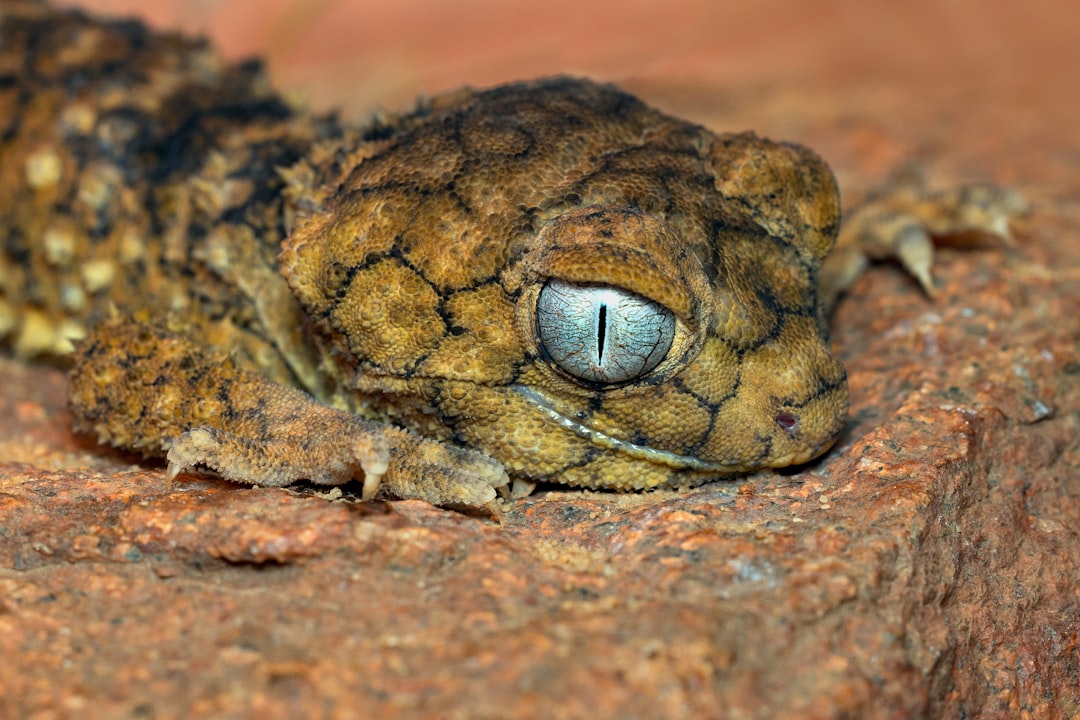
Photo by David Clode on Unsplash
Keeper note: Do not house crested geckos and gargoyle geckos together. Even though they share a similar natural range and care profile, mixing species in a single enclosure can cause stress, territorial aggression, and disease transmission. Each species should be kept separately.
What Is a Crested Gecko?
Crested geckos (Correlophus ciliatus) were once thought to be extinct until their rediscovery in 1994. Since then, they’ve become one of the most popular pet gecko species in the world - and for good reason. Their fringed “eyelashes,” wide range of color morphs, and tolerant temperament make them an excellent first gecko for beginners.
Adult crested geckos typically reach 7 to 9 inches from snout to tail tip and weigh between 35 and 55 grams when fully grown. One thing to know upfront: crested geckos cannot regenerate a dropped tail. If they drop it due to stress or handling, it’s gone. Most long-term keepers have at least one “frog butt” gecko in their collection and consider it a non-issue, but it’s worth knowing before you bring one home.
For a complete overview of housing, feeding, and temperature, see our crested gecko care guide for beginners.
What Is a Gargoyle Gecko?
Gargoyle geckos (Rhacodactylus auriculatus) are the more rugged-looking cousin. Named for the bumpy, knobbed texture of their skin, they have a sturdier build and a slightly more “prehistoric” appearance than crested geckos. Adults typically reach 7 to 9 inches as well, though they tend to be stockier and heavier-bodied - adult females in good condition often weigh 55 to 80 grams.
One significant advantage gargoyle geckos have over crested geckos: they can regenerate a dropped tail. The regrown tail won’t look identical to the original, but the gecko will regrow something functional. This makes them somewhat more forgiving for keepers who are still learning safe handling technique.
Gargoyle geckos are less commonly available than cresties, but captive breeding has made them increasingly accessible. Expect to pay a bit more for a gargoyle gecko, especially for animals with desirable color patterns.
Crested Gecko vs. Gargoyle Gecko: Appearance
The most obvious difference is skin texture. Crested geckos are smooth with lateral crests running from above each eye down toward the base of the tail. Their eyes are large and expressive, and they’re available in an enormous variety of morphs - from solid reds and oranges to complex patterned variants like flames, harlequins, and pinstripes.
Gargoyle geckos have a rougher, more heavily textured skin and a broader, rounder head. Their color patterning tends toward gray and brown tones with orange, red, or white banding, though breeders have developed some striking striped and blotchy variants. They look like what people imagine when they picture a lizard out of a fantasy story - which is exactly why a lot of keepers are drawn to them.
In our experience with both species, visitors who see our gargoyle geckos for the first time almost always underestimate how substantial they feel in hand compared to a crested gecko of the same length.
Temperament and Handling
Both species are generally docile compared to many other gecko species, but they handle differently.
Crested geckos tend to be more active and jumpy, especially when young. A juvenile crested gecko will almost always try to leap away at first. With consistent, gentle handling sessions starting at about 5 minutes a day, most calm down significantly by the time they reach adulthood. Some individual cresties never fully settle, but the majority become quite comfortable with regular human interaction.
Gargoyle geckos are typically a bit calmer and more deliberate in their movements. They’re less likely to bolt from your hand and tend to tolerate handling with less acclimation time. If you want a gecko that’s a bit more predictable to handle from day one, the gargoyle gecko has a slight edge. That said, individuals vary - we’ve had cresties that were rock steady and gargoyles that were perpetually skittish.
Diet and Feeding
This is one area where the two species are nearly identical. Both crested geckos and gargoyle geckos thrive on a crested gecko diet (CGD) - a powdered meal replacement food that you mix with water and offer in small cups every two to three days.
The two most widely used brands are Pangea Fruit Mix Complete and Repashy Crested Gecko MRP. We’ve used both with multiple animals across both species with consistently good results. Offering a varied rotation of flavors is a good practice regardless of which species you’re keeping.
Live insects can be added as supplemental prey. Crickets and dubia roaches work well for both species, offered once or twice a week for juveniles and every one to two weeks for adults. Gargoyle geckos tend to be more enthusiastic live-prey hunters than crested geckos, though both are capable hunters.
See our complete guide to crested gecko feeding for detailed schedules and supplementation guidance - the same principles apply to gargoyle geckos.
Enclosure Setup
Enclosure requirements are similar enough that you can run both species in the same style of setup. An 18x18x24-inch vertically oriented glass terrarium is the standard recommendation for a single adult of either species.
Both species are arboreal and nocturnal - they spend most of their time up in the canopy layer, especially at night. Provide plenty of cork bark, branching, and plants for climbing and hiding. Live plants help maintain ambient humidity naturally, though artificial setups work fine too.
Temperature and humidity targets are virtually identical: keep ambient temps between 68 and 78 degrees Fahrenheit, with nighttime drops into the low 60s being well-tolerated. Humidity should sit around 60 to 80 percent, achieved through misting once or twice daily. The IUCN Red List profile for Correlophus ciliatus confirms the naturally humid, seasonally variable environment both species come from, which helps explain why captive care requirements are so closely aligned.
One practical note: gargoyle geckos tend to be more terrestrial than cresteds at night and will make more use of lower cork flats and hides. Providing good floor-level coverage matters more with gargoyles than with crested geckos.
Which Is Right for You?
Both species are beginner-accessible, but if we had to pick one for a first gecko, we’d lean toward the crested gecko. They’re more available, usually less expensive, and there’s a deeper community of keepers and resources built around them.
That said, gargoyle geckos are often considered more forgiving of minor care variations by experienced keepers. Their ability to regenerate dropped tails, their calmer default temperament, and their stockier build make them resilient animals. If you’ve kept a crested gecko for a year or two and want a second species, gargoyle geckos are a natural next step.
Here’s a quick breakdown:
Choose a crested gecko if:
- You want the widest selection of colors and morphs
- You’re working with a tighter budget (cresties are generally less expensive to purchase)
- You want the most established community resources for care support
- You don’t mind a gecko that’s more prone to jumping and jitteriness early on
Choose a gargoyle gecko if:
- You’re drawn to a more rugged, “dragon-like” appearance
- You want a species that handles more calmly out of the box
- You’re okay with spending a bit more upfront for the animal
- Tail regeneration matters to you (it matters more than keepers often admit)
If you’re genuinely torn, there’s nothing stopping you from keeping both - just in separate enclosures.
Recommended Products
Both crested and gargoyle geckos do well on the same staple foods and enclosures. These are the products we use regularly in our collection:
-
Pangea Fruit Mix Complete Gecko Food - A nutritionally complete CGD that works for both species. We rotate multiple Pangea flavors throughout the month. Shop on Amazon
-
Repashy Crested Gecko MRP - Another complete meal replacement powder and a solid option for rotation with Pangea. The insects-included formula is a favorite in our collection. Shop on Amazon
-
Exo Terra Allglass Terrarium 18x18x24 - The standard enclosure for a single adult crested or gargoyle gecko. The front-opening doors make daily feeding and misting much easier than top-entry tanks. Shop on Amazon
As an Amazon Associate we earn from qualifying purchases at no extra cost to you.
Ready to go deeper? Check out our crested gecko enclosure setup guide for a detailed walkthrough of lighting, substrate, and decor - the same principles apply to gargoyle gecko builds.