Heating a Crested Gecko Enclosure Without Overheating
Crested geckos are cool-weather animals by nature, and most keepers do not need to heat their enclosures at all. But when room temperatures drop below comfortable levels, adding the wrong heat source - or no thermostat - can put your gecko at serious risk.
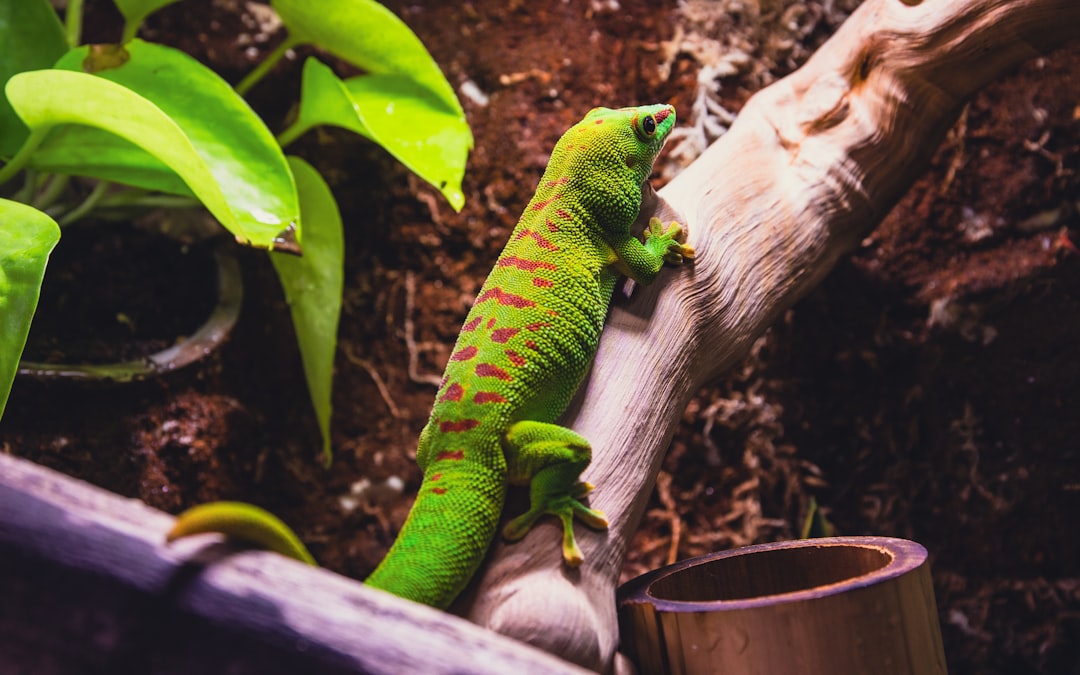
Photo by martin lea on Unsplash
Safety note: Crested geckos cannot tolerate sustained temperatures above 80-82 degrees F (27 C). Overheating is one of the leading causes of sudden gecko death. If your gecko appears lethargic, is breathing rapidly, or is pressed flat against a cool surface, move the enclosure to a cooler location immediately and monitor closely. If symptoms persist, contact a reptile veterinarian. Never leave an enclosure unattended with a new heat source until you have confirmed temperatures are stable.
Why Overheating Is a Crested Gecko’s Biggest Threat
Unlike many reptiles that need basking spots and heat gradients, crested geckos come from the cool, humid forests of New Caledonia. Their natural environment rarely exceeds 78 degrees F, and they are genuinely cold-tolerant - short drops into the mid-60s are fine.
What they cannot handle is sustained heat above 82 degrees F. At that temperature, geckos become stressed. Above 85 degrees F, you risk organ damage or death within hours. This is why heating a crested gecko enclosure is less about adding warmth and more about adding controlled warmth - and why a thermostat is non-negotiable if any heat source is in the enclosure.
Crested Gecko Temperature Range: What to Aim For
The target daytime temperature for a crested gecko enclosure is 72-78 degrees F (22-25 C). Nighttime drops to 65-72 degrees F are completely acceptable and even beneficial.
In our experience, most homes stay in this range for much of the year without any supplemental heating. We only reach for heat sources when ambient room temperature drops consistently below 68 degrees F - typically in winter months or in drafty spaces.
If your home stays between 68 and 78 degrees F year-round, your crested gecko does not need a heat source at all. See our full crested gecko temperature and humidity guide for a complete breakdown of seasonal care adjustments.
When You Actually Need to Heat the Enclosure
You need supplemental heat when:
- Your room drops below 68 degrees F regularly (especially overnight)
- Your enclosure is in a basement, garage, or other space that runs cold in winter
- You are keeping juveniles, which are less cold-tolerant than adults
- You are in a breeding cycle and need stable temperatures for the female
You do NOT need heat if your home stays in the 70s year-round. Adding unnecessary heat sources only creates overheating risk.
Safe Heating Methods for a Crested Gecko Enclosure
There are three practical heating options for crested geckos.
Under-tank heaters (UTH) are the most common starting point. They warm the glass from below, creating a subtle warm zone at the bottom of the enclosure. The Zoo Med ReptiTherm Under Tank Heater is a reliable choice - use the medium (8W) for a standard 20-gallon tall or similar. Important: UTHs must always be connected to a thermostat. Without one, they will overheat the bottom of the enclosure.
Ceramic heat emitters (CHE) screw into a standard incandescent socket and produce heat without any visible light - useful if you need overhead heat without disrupting nighttime cycles. They run hot and absolutely require a thermostat.
Radiant heat panels are the preferred option for larger or bioactive enclosures. They mount to the ceiling of the enclosure and distribute gentle, even warmth. They are more expensive upfront but easier to control and less likely to create localized hot spots.
What you should avoid: any form of focused heat lamp, basking bulb, or heat rock. These create localized temperatures far above what crested geckos can safely tolerate.
Why Every Crested Gecko Keeper Needs a Thermostat
If there is a single piece of equipment you should not skip, it is the thermostat. Heat mats and ceramic emitters do not self-regulate. Without a thermostat, a heat mat can push the floor of an enclosure to 90+ degrees F - lethal territory for a crested gecko.
The Inkbird ITC-308 Digital Temperature Controller is a widely used option in the reptile community. It plugs between your heat source and the wall outlet, reads from a probe inside the enclosure, and cuts power to the heater when the target temperature is reached. Set the target to 75 degrees F with a safety cutoff at 80 degrees F.
For keepers with multiple enclosures, dimming thermostats offer more precise control, but an on/off thermostat like the Inkbird is sufficient for most crested gecko setups.
Heat Placement and Enclosure Positioning
Where you place the heat source matters as much as which source you use.
For under-tank heaters, place the mat under one-third of the enclosure floor - not the entire bottom. This creates a temperature gradient so your gecko can choose where to rest. If the entire floor is heated, the gecko has nowhere to escape.
For overhead heat sources, position them toward one side of the enclosure, again allowing a cooler side. Check temperatures at substrate level using a digital thermometer, not a temperature gun (guns read surface temp and can be misleading on mesh or screen enclosures).
Position the enclosure away from direct sunlight, heat vents, and cold drafts. A window that lets in afternoon sun can spike temperatures inside a glass enclosure to dangerous levels even in cool weather.
The Govee Bluetooth Temperature and Humidity Sensor lets you log temperature over time via an app, which is useful for catching unexpected spikes during the day when you are not home.
What to Avoid When Heating a Crested Gecko Setup
A few common mistakes worth flagging:
Heat rocks should never be used with any reptile. They have hot spots that cause thermal burns on contact.
Red or blue “nighttime” heat bulbs still produce visible light and disrupt nocturnal cycles. Skip them entirely.
Relying on ambient room temperature without monitoring is risky. What feels comfortable to you might be pushing the upper edge of the gecko’s safe range, especially inside a closed glass terrarium.
Avoid placing the enclosure on top of heat-generating electronics like cable boxes or amplifiers. These can push bottom glass temperatures higher than you expect.
For a full breakdown of how temperature interacts with humidity and health, read our guide on crested gecko enclosure setup and check the Reptifiles crested gecko temperature guide for additional keeper data on temperature tolerance ranges.
Recommended Products
| Product | Notes |
|---|---|
| Inkbird ITC-308 Thermostat | On/off thermostat, works with UTHs and ceramic emitters |
| Zoo Med ReptiTherm Under Tank Heater | Medium (8W) suits 20-gallon tall enclosures |
| Govee Bluetooth Temperature Humidity Sensor | Logs temperature history, useful for catching spikes |
As an Amazon Associate we earn from qualifying purchases at no extra cost to you.
Bookmark this guide and check out our crested gecko health problems overview next - temperature stress is one of the most common contributing factors to the issues covered there.