Best Live Plants for a Crested Gecko Vivarium
Live plants transform a crested gecko enclosure from a functional box into a functioning ecosystem. They maintain humidity, provide natural climbing and hiding opportunities, and give your gecko a richer environment to explore. The challenge is knowing which plants survive the conditions inside a crested gecko vivarium - and which ones are safe.
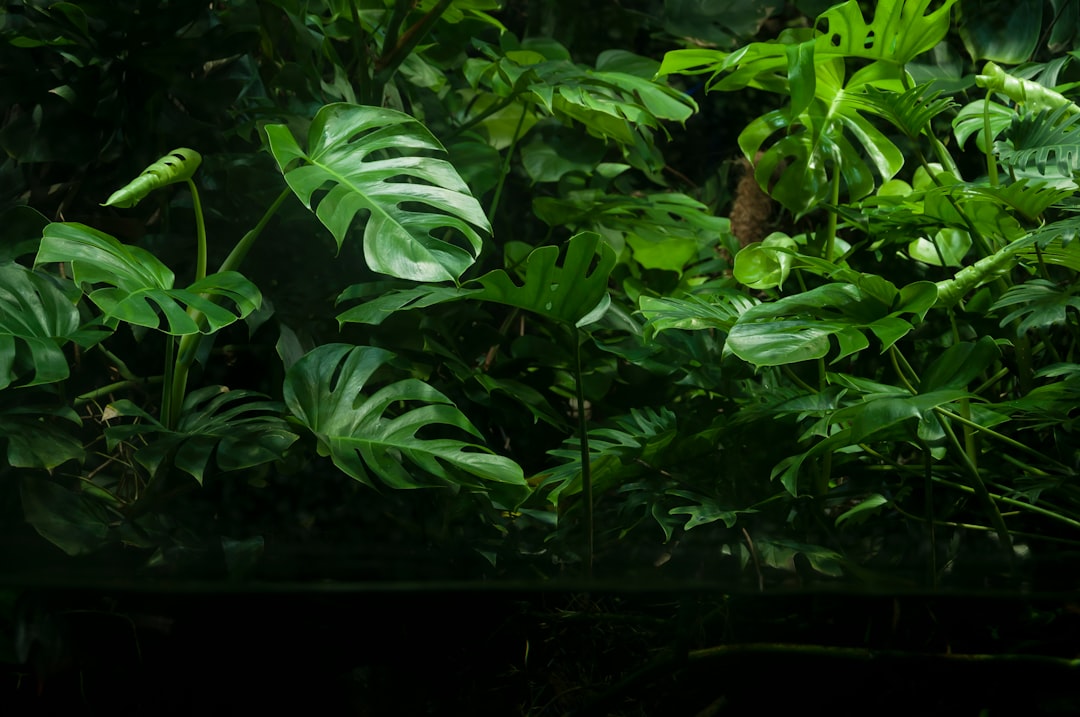
Photo by Krystian Bęben on Unsplash
Animal Safety Note: Some common houseplants are toxic to reptiles. Before adding any plant to your gecko’s enclosure, verify it is listed as reptile-safe. If your crested gecko shows unusual lethargy, loss of appetite, or mouth discharge after introducing new plants, remove them and consult a reptile veterinarian.
Why Live Plants Are Worth the Effort
Artificial plants look fine at first glance, but they don’t do anything for the enclosure beyond providing structure. Live plants actively work in your favor. They transpire moisture, which helps sustain the humidity levels crested geckos need - ideally 60 to 80 percent with a drop at night. They also consume waste products in the substrate when you’re running a bioactive setup, and they create a more dynamic visual and tactile environment that gives geckos something to actually interact with.
In our experience keeping crested geckos in both planted and unplanted enclosures, the geckos in planted setups are noticeably more active during the evening hours. They use leaf surfaces to rest, lick condensed water droplets after misting, and seem more relaxed overall compared to geckos in enclosures with only artificial plants and hides. That behavioral difference is worth the modest extra effort of maintaining live plants.
There’s also a practical benefit: a well-established planted vivarium becomes largely self-regulating. The substrate, custodian insects, and plants work together to break down waste and maintain a stable microclimate. You mist less often, deep clean less frequently, and spend more time just watching your animal.
If you’re interested in going fully bioactive, check out our bioactive crested gecko enclosure guide for the full drainage-layer and substrate breakdown.
Plant Safety: What to Avoid
Before listing recommended plants, it’s worth establishing the rule: if you’re not certain a plant is reptile-safe, don’t use it. The risk isn’t usually immediate toxicity - most crested geckos don’t eat plants outright - but they do lick surfaces, and some compounds can cause irritation or systemic issues over time.
Plants to avoid in crested gecko enclosures include pothos relatives in the Scindapsus genus (some varieties have been flagged for reptile sensitivity), all Dieffenbachia species (dumb cane), Philodendron species, snake plants (Dracaena trifasciata), and anything in the lily family. Some sources list golden pothos (Epipremnum aureum) as a concern due to calcium oxalate crystals, though many long-time keepers use it without issue - our personal practice is to avoid it when there’s any doubt and choose species with a cleaner safety record.
The ASPCA’s toxic plant database is a reliable first reference, though it’s primarily compiled for cats and dogs. Cross-reference with reptile keeper community resources like the Josh’s Frogs plant safety guide before making final selections.
The Best Live Plants for Crested Gecko Vivariums
Pothos (Epipremnum aureum)
Pothos is the most commonly used vivarium plant for good reason. It grows fast, tolerates low light and inconsistent watering, and provides broad leaf coverage that geckos genuinely use. The vining habit means it drapes and climbs naturally, filling vertical space without competing aggressively with other plants.
Pothos will root from cuttings stuck directly into moist substrate - no rooting hormone needed. It grows quickly enough that you’ll need to trim it every few weeks in a warm, humid enclosure, but that’s a minor inconvenience compared to its resilience. We’ve used pothos as the backbone plant in multiple vivarium builds and it has never failed to establish within a few weeks of planting.
The note about calcium oxalates is real - the plant does contain them - but the exposure level from a gecko licking a leaf surface is considered low by most reptile veterinarians. If you prefer to avoid any theoretical risk, swap to Peperomia species instead, which are clean.
Bromeliads (Neoregelia, Guzmania, Tillandsia)
Bromeliads are ideal for crested gecko vivariums because they mirror the natural habitat of New Caledonian forests. Many species form natural water-holding cups at the center rosette, which geckos will investigate and sometimes drink from. They’re also epiphytic, meaning you can mount them on cork bark or driftwood rather than planting in substrate - useful for adding variety to the vertical structure.
Neoregelia and Guzmania work well in substrate. Tillandsia (air plants) need no soil and can be tucked into crevices or mounted with aquarium-safe silicone. All bromeliads prefer bright indirect light - they’ll survive in lower light but lose their coloration and grow slowly. In a vivarium with a 5500-6000K LED grow light, they do extremely well.
Bromeliads grow slowly and are long-lived. One plant placed as a juvenile can anchor the layout of a vivarium for two or three years before it needs replacing.
Peperomia Species
Peperomia is an underused vivarium plant that deserves more attention. The genus has hundreds of species, many of which stay compact and handle the high humidity of a closed vivarium without rotting. Peperomia rotundifolia (trailing jade) and Peperomia caperata (ripple peperomia) are both easy to source and work well at lower elevations in the enclosure.
Peperomia species are confirmed non-toxic and produce small, interesting leaf textures that add visual variety. They don’t vine aggressively like pothos, so they’re better suited as ground-level filler plants rather than structural climbers. They establish slowly but are very long-lived once settled.
Ficus pumila (Creeping Fig)
Creeping fig is the go-to background coverage plant for naturalistic vivariums. It clings to cork bark and porous backgrounds using adhesive rootlets, creating a dense green carpet effect across vertical surfaces within a few months. In a crested gecko enclosure with good humidity and light, it spreads aggressively - which is exactly what you want if you’re trying to cover a foam-and-coir background.
The leaves stay small (under an inch long) and the plant rarely gets heavy enough to peel away from the surface on its own. Trim it back from drainage holes, vents, and door seals regularly. Ficus pumila is safe for reptiles and is one of the most commonly recommended background plants in the vivarium hobby.
Ficus benjamina (Weeping Fig - Dwarf Varieties)
Larger vivariums (36x18x36 or bigger) can accommodate a small Ficus benjamina as a structural tree element. Dwarf varieties stay manageable. The branching structure provides excellent climbing opportunities and the leaf canopy creates natural shade and shelter in the upper zone of the enclosure.
Be aware that Ficus species produce a latex sap when cut that can cause skin irritation - wear gloves when pruning. The sap is not a concern for geckos under normal interaction.
Orchids (Epidendrum, Dendrobium, Small-Growing Species)
Small-growing orchids add an aesthetic element that bromeliads can’t match and they thrive in vivarium conditions. Warm-growing Epidendrum and miniature Dendrobium varieties handle the humidity and temperature range of a crested gecko enclosure well. Like bromeliads, many are epiphytic and can be mounted on cork rather than planted.
Orchids grow slowly and some only bloom seasonally, but they’re a long-term investment in the enclosure’s visual quality. Source them from vivarium-specialist vendors rather than grocery store orchids (Phalaenopsis), which prefer cooler, drier conditions and don’t adapt well to a crested gecko vivarium.
How to Plant and Establish Your Vivarium Plants
Getting plants to establish successfully is mostly a matter of preparation. The substrate and drainage layer need to be set up correctly before planting - if water pools in the root zone, plants will rot regardless of species. Our substrate guide for crested gecko enclosures covers the drainage layer setup in detail, but the short version is: use a 2-3 inch layer of drainage medium (hydroballs or lava rock) below your organic substrate layer.
For planting, dig a small pocket in the substrate, remove the plant from its nursery pot, gently shake away as much soil as practical, and position the roots into the substrate. Don’t bury the crown (the transition point between stem and root) deeper than it was in the pot. Firm the substrate around the roots and mist thoroughly after planting.
Allow two to four weeks for plants to establish before introducing your gecko. During this period, maintain the enclosure at normal temperature and humidity but expect some initial leaf yellowing or drop - this is normal transplant stress and not an indication the plant is dying.
Proper misting equipment makes a significant difference in how well plants establish and how consistently the enclosure holds humidity. We use an Exo Terra 2-quart spray bottle for day-to-day spot misting; it gives good control over spray direction and volume without soaking everything at once.
Substrate and Drainage Considerations for a Planted Vivarium
A planted vivarium needs substrate that drains well but retains enough moisture to support root systems. The standard recommendation in the vivarium hobby is a mix of roughly 60 percent organic material (coconut fiber or peat-based mix) and 40 percent drainage amendments like sand or fine orchid bark. Pure coconut fiber compacts over time and becomes anaerobic in the lower layers, which kills roots and produces foul odors.
Coconut chip products like the Halatool compressed coconut chips and RediChip medium coconut chip substrate work well blended into a planted substrate mix. Coconut chips create air pockets that prevent compaction and drain excess water efficiently while still holding enough moisture for root uptake. They’re also a natural material that works well in bioactive builds where you’re adding isopods and springtails.
The exact blend matters less than ensuring the substrate isn’t too dense or too wet. If you press your finger into the substrate and it feels saturated, it’s too wet for plant roots to thrive long-term.
Lighting for Vivarium Plants
Crested geckos don’t require UVB lighting to survive, but live plants do need some form of grow lighting to thrive in an enclosed space away from windows. A full-spectrum LED grow light in the 5000-6500K range running 10-12 hours per day covers the needs of most vivarium plant species listed above.
We’ve run vivariums with both T5 fluorescent fixtures and LED grow panels. In our experience with both, modern LED panels produce better plant growth with less heat output and lower electricity cost. The heat reduction matters for temperature management - a T5 fixture over a small enclosure can push ambient temperatures above the 78°F ceiling crested geckos need.
Keep the light on a timer. Consistent light cycles are good for both the plants and your gecko’s circadian rhythm.
Common Planting Mistakes to Avoid
Overcrowding from the start. It’s tempting to plant densely for an immediate lush look, but overcrowded plants compete for light and airflow, and fast-growing species will quickly overtake slow-growers. Start with three to five plants in a 12x12x18 enclosure and let them establish.
Skipping the drainage layer. This is the most common cause of vivarium plant failure. Without drainage, the substrate becomes waterlogged, roots suffocate, and the enclosure develops a sour smell. Drainage is non-negotiable in a live planted setup.
Using fertilized nursery soil. Most plants from garden centers come in fertilized potting mixes that can leach compounds harmful to reptiles. Always shake off nursery soil and either rinse roots or plant into clean vivarium substrate.
Planting right before adding the gecko. Give plants at least two weeks to establish root systems. A newly planted vivarium disturbed by an active gecko will lose half its plants in the first week.
Choosing plants for appearance only. Some visually interesting plants are either toxic (caladiums, alocasia) or won’t tolerate vivarium conditions (succulents, cacti). Research before purchasing.
Recommended Products
- Exo Terra Spray Bottle 2 Quarts - reliable for daily misting without soaking the enclosure
- Halatool Compressed Coconut Chips Substrate - good drainage amendment to blend into planted substrate mixes
- RediChip Medium Coconut Chip Substrate 36 Qt - bulk option for larger builds or multiple enclosures
Frequently Asked Questions
Do crested geckos eat live plants?
Not typically. Crested geckos are primarily insectivores and fruit-eaters - they don’t graze on plants. They may occasionally nip at a leaf or lick a surface, but purposeful plant consumption is rare. That said, this is why plant safety still matters - incidental contact and licking happen constantly.
Can I use plants from a regular garden center?
Yes, with precautions. Remove all nursery soil, inspect for pests (spider mites are the main concern), and quarantine plants for a week before adding to the vivarium. A brief dunk in a dilute water-only rinse can help remove surface residue from any fertilizers or pesticides applied at the nursery.
How often do I need to replace plants?
Well-established pothos and bromeliads can live in a vivarium indefinitely with occasional pruning. Fast-growing plants like pothos may need heavy trimming every three to four weeks. Plants that go dormant, brown significantly, or show root rot should be replaced. With the right species selection, you shouldn’t need full plant replacement more than once a year.
What if my plants keep dying?
The most common culprit is inadequate drainage leading to root rot. Check that your drainage layer is intact and that water isn’t pooling. The second most common cause is insufficient light - most vivarium plants need at least 10 hours of full-spectrum light daily. Temperature and humidity are rarely the issue since crested gecko conditions suit tropical plants well.
Final Thoughts
A planted crested gecko vivarium takes slightly more setup time than an artificial one, but the result is an enclosure that looks better, functions better, and provides genuine enrichment for your animal. Start with two or three resilient species - pothos, a bromeliad, and either a peperomia or creeping fig - and let them establish before adding more.
For more on building the underlying structure of a bioactive vivarium, read our bioactive crested gecko enclosure guide. If you’re working through the full humidity and temperature picture for your setup, the crested gecko temperature and humidity care guide covers the environmental targets in detail.
Have questions about a specific plant species or vivarium build? Drop a comment below.