How to Clean and Disinfect a Reptile Enclosure
This post contains affiliate links. As an Amazon Associate, I earn from qualifying purchases at no extra cost to you.
A dirty enclosure is one of the most common causes of preventable illness in captive reptiles. Respiratory infections, bacterial skin conditions, and parasite overloads often trace back to infrequent or incomplete cleaning. Whether you keep a crested gecko, a leopard gecko, or a bearded dragon, the principles of enclosure sanitation are the same, and getting them right is straightforward once you have a reliable process.
This guide covers everything: cleaning frequency, the tools you actually need, a step-by-step deep clean, which disinfectants are safe for reptiles, and the mistakes that catch keepers off guard the first time they do a full strip-down.
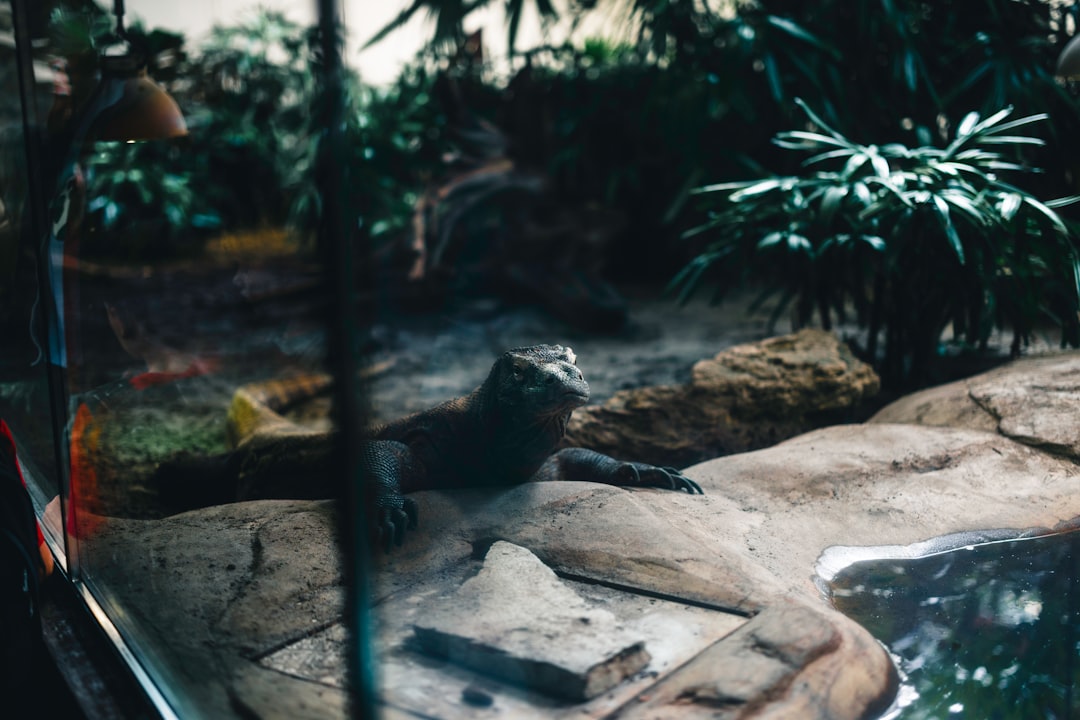
Photo by Ali Kazal on Unsplash
Safety note: Some reptile disinfectants contain bleach, quaternary ammonium compounds, or other chemicals that can irritate your skin, eyes, and lungs. Always work in a well-ventilated area, wear gloves, and rinse all surfaces thoroughly before returning your animal to the enclosure. If your reptile shows signs of respiratory distress after a cleaning session, consult a reptile veterinarian promptly.
Why Enclosure Hygiene Matters for Reptile Health
Reptiles are efficient carriers of bacteria, including Salmonella, and their waste produces ammonia as it breaks down. In a small enclosed space, bacterial and fungal populations can build up quickly, especially when humidity is elevated, as it is in most tropical gecko setups. The problem is compounded in bioactive enclosures where organic matter accumulates and the custodian population can only do so much before conditions tip toward harmful.
Beyond bacteria, inadequate cleaning allows mite populations to establish. Reptile mites (Ophionyssus natricis in snakes, or Hirstiella spp. in lizards) are extremely difficult to eliminate once established, and they cause stress, anemia, and secondary infections. A consistent cleaning routine is one of your best defenses.
The CDC has documented reptile-associated Salmonella transmission in both domestic and exotic species. Protecting yourself and your household starts with keeping the animal’s environment clean, which reduces the bacterial load on decor, surfaces, and the animal itself.
From our experience keeping crested geckos, the animals that had the fewest vet visits over time were consistently those in well-maintained enclosures, not the ones with the most elaborate builds. Hygiene outweighs complexity every time.
It is also worth noting that high-humidity setups, which crested geckos and many other arboreal species require, create a particularly favorable environment for mold and bacterial colonies if cleaning is inconsistent. The same moisture level that benefits your animal also speeds up decomposition of waste and organic debris. This is not a reason to lower humidity, but it is a reason to take spot cleaning seriously between full deep cleans.
How Often Should You Clean a Reptile Enclosure?
Cleaning frequency depends on the type of enclosure, the number of animals housed, and whether the setup is bioactive or traditional.
Spot cleaning should happen daily or every other day. This means removing visible feces and shed skin, replacing any contaminated substrate in the soiled area, and wiping down glass or acrylic where surface film builds up. Spot cleaning takes two to five minutes once you make it a habit, and it dramatically extends the interval between full deep cleans.
Deep cleaning involves removing the animal and stripping the entire enclosure for scrubbing and disinfection. How often you need it depends on your setup:
| Setup type | Deep clean frequency |
|---|---|
| Traditional substrate (paper towels, excavator clay) | Every 4-6 weeks |
| Naturalistic loose substrate (coconut fiber, topsoil mix) | Every 2-3 months |
| Bioactive with active custodians | Every 4-6 months, spot clean only otherwise |
| Quarantine tank | After every use, before re-stocking |
Animals that are ill, gravid, or recovering from a parasite load warrant more frequent cleaning regardless of setup type. If you notice persistent odor between scheduled deep cleans, that is a sign the spot cleaning schedule needs tightening or the substrate is due for a full replacement.
Tools and Cleaning Supplies You Will Need
You do not need a complicated kit, but you do need dedicated tools that never cross-contaminate with household items. Reptile enclosure bacteria can transfer easily, and Salmonella in particular is hardy on surfaces.
Hardware to keep dedicated for enclosure use:
A good scrub brush is the foundation. Fluker’s Super Scrub Brush and Organic Cleaner is a solid all-in-one option: the brush handles stuck-on waste and the included organic cleaner is reptile-safe. Keep a second small brush for crevices in cork bark, branches, and the interior corners of hides. Add nitrile gloves, a plastic bin or spare tank for temporarily housing your animal, paper towels in quantity, and a dedicated spray bottle for disinfectant.
Disinfectant options (choose one):
Zoo Med Wipe Out 1 is a quaternary ammonium disinfectant designed specifically for reptile enclosures. It is effective against bacteria and many viruses, and it does not require the extended rinse protocols that bleach demands. This is the one we reach for most often.
Absolutely Clean Reptile and Amphibian Terrarium Cleaner is an enzyme-based cleaner that breaks down organic waste rather than killing pathogens outright. It is better used for routine wipe-downs between deep cleans than as your primary disinfectant.
Dilute bleach (1 part bleach to 30 parts water) is the cheapest effective option. It kills bacteria, fungi, and most viruses, but it requires a thorough rinse and complete drying before the animal returns. The chlorine smell is a reliable signal that rinsing is not complete.
One important caution: avoid any product containing phenols, which includes Pine-Sol, Lysol, and many common household cleaners. Phenols are toxic to reptiles, and residue can cause neurological symptoms even after drying. Check the label before using anything that is not specifically marketed for reptile or amphibian use.
Step-by-Step Guide to Deep Cleaning a Reptile Enclosure
This process applies to any terrestrial reptile enclosure. Adjust timing based on your chosen disinfectant’s contact time requirements.
Step 1: Set up temporary housing first
Before you touch the enclosure, prepare a clean plastic bin with ventilation holes, paper towels, a hide, and a small water dish. Transfer your reptile carefully and cover the bin. A warm, dark environment reduces handling stress during what can be a longer process.
Step 2: Remove and soak all decor
Take out hides, branches, climbing structures, water dishes, and feeding ledges. Place porous items such as cork bark and wood in a dilute bleach solution (30:1 water to bleach) for 15-20 minutes. Non-porous items like ceramic hides and glass dishes can be scrubbed directly with disinfectant spray and rinsed. Any item that is cracked, deeply scored, or too porous to fully clean should be replaced. In our experience, old cork bark that has been heavily chewed or used over multiple seasons harbors bacteria in its interior that surface cleaning cannot reach.
Step 3: Remove substrate completely
For traditional setups, bag and discard all substrate. Do not compost reptile waste substrate near food gardens, as the bacterial content is not appropriate and standard cold compost piles do not reach temperatures high enough to neutralize enteric pathogens.
For bioactive setups, spot-removing the soiled surface layer is usually sufficient between full rebuilds. When the rebuild is due, remove all substrate and start fresh.
Step 4: Scrub the enclosure interior
Use your dedicated brush and reptile-safe cleaner to scrub all interior surfaces, including corners, the base, and the seams. Fecal staining on glass can be stubborn. Let the cleaning solution dwell for a few minutes before scrubbing if staining resists the first pass.
Rinse thoroughly with clean water. For glass enclosures, a second wipe with a damp paper towel across all surfaces confirms no cleaner residue remains.
Step 5: Apply disinfectant and hold contact time
Spray all interior surfaces with your disinfectant and follow the manufacturer’s required contact time. Zoo Med Wipe Out 1 requires approximately 10 minutes. Bleach solution at 30:1 is effective in 10-15 minutes. Do not rush this step, as contact time is what makes disinfection work.
Step 6: Rinse thoroughly and dry completely
Rinse all surfaces again after contact time is complete. This is the step skipped most often, and it matters. Chemical residue can cause skin irritation, eye problems, and respiratory distress in reptiles. Rinse, then check for smell, then rinse again if any chemical odor remains.
Allow the enclosure to air dry completely before adding substrate. Never return the animal to a damp enclosure. Moisture combined with fresh organic material accelerates the microbial cycle you just disrupted.
Step 7: Rinse decor, dry, and reassemble
Rinse all soaked decor thoroughly under clean water, let it air dry or pat dry with paper towels, and reassemble the enclosure with fresh substrate. Warm the enclosure to the correct thermal gradient before returning your animal. The full process typically takes 45-90 minutes for a single enclosure depending on size and decor volume. Building it into a monthly habit makes each session noticeably faster.
Choosing the Right Disinfectant for Reptile Enclosures
Not all disinfectants perform equally, and reptile safety varies by product class. Here is a direct comparison:
| Disinfectant | Effective against | Contact time | Rinse required | Notes |
|---|---|---|---|---|
| Bleach (30:1 dilution) | Bacteria, viruses, fungi | 10-15 min | Yes, thorough | Low cost; lingering smell signals incomplete rinse |
| Zoo Med Wipe Out 1 | Bacteria, enveloped viruses | 10 min | Light rinse | Quaternary ammonium; purpose-built for reptile use |
| F10SC Veterinary Disinfectant | Bacteria, viruses, fungi, spores | 5-30 min (dilution-dependent) | No (at use dilution) | Widely used by vets and breeders; higher cost |
| Enzyme cleaners (e.g. Absolutely Clean) | Organic waste breakdown | N/A | No | Not a disinfectant; best for spot cleaning and odor |
| Phenol-based cleaners (Pine-Sol, Lysol) | Bacteria, fungi | N/A | N/A | Not safe for reptiles under any circumstances |
For most keepers, Zoo Med Wipe Out 1 as the primary disinfectant combined with an enzyme cleaner for routine spot sessions is practical and cost-effective. F10SC is worth the investment if you run a breeding operation or are managing a disease situation across multiple animals. Whichever you choose, always follow label dilutions exactly: both over-diluting (reduces efficacy) and under-diluting (increases rinse requirements and chemical risk) create problems you can avoid by measuring carefully.
Common Mistakes to Avoid When Cleaning a Reptile Enclosure
Skipping the rinse. This is the single most common cleaning error. Disinfectant residue on glass, plastic, or porous decor can cause chemical burns, eye irritation, and respiratory symptoms. Rinse thoroughly, then rinse again if any smell remains.
Returning the animal to a damp enclosure. A freshly cleaned enclosure that is not fully dry creates ideal conditions for bacterial regrowth. Wait until all surfaces are visibly dry and humidity has had time to stabilize.
Using the same tools for multiple enclosures without disinfecting between uses. If you keep more than one animal, sharing brushes or sponges can transfer bacteria or parasites between otherwise healthy enclosures. Dedicate a set of tools per enclosure or disinfect tools between uses.
Cleaning too aggressively inside a bioactive setup. In a functioning bioactive enclosure, the goal is not sterility, it is balance. Using bleach inside an established vivarium will destroy the beneficial microbial community and the custodian population, forcing a full re-cycle from scratch. For bioactive enclosures, use only enzyme cleaners on visible waste and reserve chemical disinfectants for full rebuilds.
Leaving decor in bleach too long. Extended bleach exposure damages cork bark and wood, accelerating breakdown and potentially releasing tannins at elevated levels. Keep soak times to 20 minutes or less and rinse promptly.
Skipping substrate replacement during a deep clean. Substrate holds bacteria, shed skin fragments, urates, and accumulated humidity over months of use. Even if it looks clean, substrate that has been through multiple months of occupancy contains more than surface-level contamination. Replace it on your scheduled deep clean cycle.
Frequently Asked Questions
Can I use dish soap to clean a reptile enclosure?
Dish soap is not a disinfectant. It removes surface grease and loosens some bacteria mechanically, but it does not kill pathogens reliably. It is also difficult to rinse completely from textured surfaces, and surfactant residue can irritate a reptile’s skin and mucous membranes. Use a purpose-made reptile disinfectant for deep cleans and save dish soap for scrubbing the exterior of the enclosure or your own hands afterward.
How long should I wait after cleaning before putting my reptile back?
After the final rinse, wait until all surfaces are fully dry and no chemical odor remains. For bleach-cleaned enclosures, this typically means at least an hour of open-air drying after rinsing. For quaternary ammonium disinfectants like Zoo Med Wipe Out 1, 20-30 minutes of drying after a light rinse is usually sufficient. When uncertain, let it air longer rather than shorter.
Do I clean a bioactive enclosure the same way as a traditional one?
No. A functioning bioactive enclosure is partially self-maintaining. The custodian population (springtails, isopods) processes waste continuously. Your job is spot cleaning visible feces, topping up the custodian population periodically, and scheduling a full substrate rebuild every 4-6 months or when the substrate becomes compacted or persistently odorous. Chemical disinfectants should not be used inside an active bioactive enclosure because they destroy the microbial and invertebrate communities the system depends on.
Is reptile enclosure waste safe to flush or compost?
Flushing small amounts down a toilet is generally acceptable with municipal sewer systems. Composting reptile waste is not recommended for any pile that will be used near food gardens. Salmonella and other enteric bacteria survive in cold compost piles, which do not reach the temperatures required to neutralize them.
What if my reptile seems stressed or unwell after a deep clean?
Some wariness is normal immediately after a full enclosure rebuild, as the scent landscape has changed. Expect more hiding and reduced activity for 24-48 hours. Monitor feeding and shedding over the following week. If respiratory symptoms appear, specifically wheezing, open-mouth breathing, or visible mucus, review your cleaning protocol for possible chemical residue and consult a reptile veterinarian.
Making Enclosure Cleaning a Habit
The most effective reptile husbandry is consistent rather than intensive. A quick spot clean every day or two, combined with a thorough deep clean on a regular schedule, prevents the majority of health problems that result from enclosure neglect. You do not need expensive products. A dedicated brush, a reptile-safe disinfectant, and the discipline to rinse properly cover the essentials.
If you are setting up or refreshing an enclosure and want guidance on substrate options, our guide to the best substrates for crested gecko enclosures covers the most common choices and how maintainability compares across them.
Related reading: Common crested gecko health problems covers the conditions most often linked to poor husbandry, including infections that regular enclosure cleaning helps prevent.
One last point: if you are new to reptile keeping, do not let the detail in this guide make the process feel intimidating. The core routine is simple. Remove waste when you see it, replace substrate on a schedule, and do a full strip-down and disinfect every month or two depending on your setup. Every experienced keeper has their own system, and you will settle into yours quickly. The goal is a sustainable habit, not a perfect protocol.
Bookmark this guide for your next deep clean session.