Baby crested gecko care: the first 60 days
This post contains affiliate links. As an Amazon Associate, I earn from qualifying purchases at no extra cost to you.
The first 60 days with a baby crested gecko are the most critical window in their entire life. Hatchlings and juveniles under four months old are fragile in ways that adult geckos are not – their immune systems are still developing, they dehydrate faster, and they have almost no fat reserves to draw on if feeding stalls. Most losses happen in this early window, and nearly all of them trace back to a small number of preventable mistakes: an enclosure that is too large, humidity that swings too far in either direction, or a keeper who handles too much before the gecko has settled in.
We have raised crested geckos from hatch through to adulthood, and the first two months are the phase where patience and restraint matter more than any piece of gear. This guide covers everything you need to give a baby crested gecko a strong start.
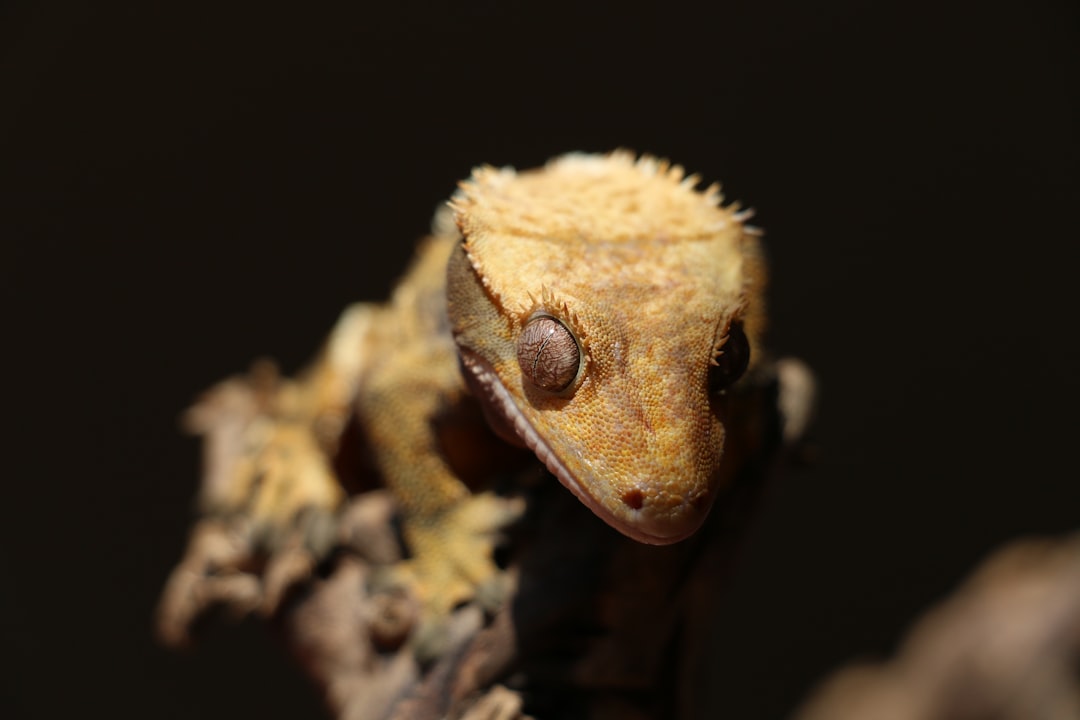
Photo by Pierre Bamin on Unsplash
Setting up the right enclosure for a baby crested gecko
One of the most common mistakes new keepers make is starting a baby gecko in a full-size adult enclosure. A 24x18x36 Exo Terra looks impressive and feels like a generous gift, but for a hatchling weighing under two grams it is overwhelming. Baby crested geckos need to locate their food and water easily. In a large enclosure, a two-gram gecko may never find the feeding dish, lose contact with the water droplets on the glass, and slowly decline.
For hatchlings up to about 10 grams (roughly the first two to three months), a small vertical enclosure measuring 8x8x12 inches or a comparable plastic critter keeper works well. The enclosure should have adequate cross-ventilation to prevent stagnant humid air, which leads to respiratory infections, but should not be so airy that it cannot hold humidity above 50% between mistings.
Enclosure comparison for baby crested geckos:
| Enclosure type | Size | Pros | Cons |
|---|---|---|---|
| Small Exo Terra (8x8x12) | 0-15g | Good visibility, ventilation | Pricier |
| Plastic critter keeper | 0-10g | Cheap, easy to clean | Less attractive, holds humidity less reliably |
| Repurposed 5-gal tank | 0-10g | Widely available | Horizontal layout is not ideal for climbing |
| Juvenile Exo Terra (12x12x18) | 5-25g | Room to grow | Too large for hatchlings under 5g |
Keep substrate simple at this stage. Paper towels are the safest option for hatchlings because they make it easy to spot feces, confirm your gecko is eating, and notice any changes in droppings. Once your gecko is feeding consistently and you are more confident in their health, you can transition to a bioactive or coconut fibre substrate.
Add two or three cork bark pieces or artificial foliage at different heights. Baby crested geckos need to feel hidden and secure, especially in the first few weeks. A gecko that is always visible and exposed in an empty enclosure is a stressed gecko.
For more detail on full enclosure builds as your gecko grows, see our guide to crested gecko enclosure setup.
What to feed a baby crested gecko in the first 60 days
Baby crested geckos eat the same foods as adults but in smaller quantities and with slightly different presentation. A complete crested gecko diet (CGD) powder mixed with water is the foundation. We use Pangea Fruit Mix with Insects Complete Diet as the primary food for hatchlings. The insect protein content supports faster growth without requiring you to manage live feeders in the first few weeks.
Mix the CGD at the standard ratio on the packaging – typically one part powder to two parts water by volume, though some keepers go slightly thinner for hatchlings to make lapping easier. The consistency should be similar to thick yogurt. Offer the food in a small bottle cap or deli cup lid rather than a full-size feeding ledge, which can be hard for a tiny gecko to access.
Feeding schedule for baby crested geckos:
- Week 1-2 (settling in): Offer food every other night. Prioritize letting the gecko acclimatize without disturbance.
- Week 3-8: Offer food every night or every other night. Remove uneaten food after 24-48 hours to prevent mold.
- After 60 days: Transition to a standard every-other-night schedule with live feeders introduced one to two times per week.
Small live feeders such as 1/8-inch crickets or micro-mealworms can be introduced from around 4-6 weeks of age. The rule of thumb for feeder size is nothing wider than the space between the gecko’s eyes. Oversized feeders are a choking and impaction risk.
Calcium supplementation is critical for growing bones. Zoo Med Reptile Calcium without Vitamin D3 dusted lightly on live feeders two to three times per week provides the calcium young geckos need. Because crested geckos are kept at room temperature with low UVB exposure, a D3 supplement given once per week separately ensures they can metabolize that calcium properly.
For a full breakdown of CGD options, feeding frequency, and supplementation schedules, see our crested gecko feeding guide.
Humidity and temperature for baby crested geckos
Baby crested geckos are more sensitive to dehydration than adults, but they are also more vulnerable to respiratory infections from sustained high humidity. The goal is cycling humidity – high after misting, dropping back to 50-60% before the next mist – rather than holding a constant high reading.
Target ranges:
- Ambient temperature: 68-76°F (20-24°C). Avoid exceeding 80°F for any sustained period. Hatchlings have no tolerance for heat stress.
- Relative humidity: 60-80% immediately after misting, returning to 50-65% before the next mist.
- Misting frequency: Once or twice daily, depending on how quickly your enclosure dries out.
For a hatchling enclosure, a small hand mister is all you need. Mist the walls of the enclosure, not directly onto the gecko. The gecko will drink the droplets off the glass and decor. Ensure there is good airflow after misting so the enclosure can dry out between sessions. A small enclosure that stays constantly wet is a breeding ground for bacteria and fungal issues.
We have found that placing the hatchling enclosure in a room that holds 68-74°F naturally – most interior rooms in spring and fall – is the simplest way to manage temperature without supplemental heating. If your home runs warmer, a small USB fan positioned to create gentle airflow near the enclosure (not into it) can help buffer the temperature. Never place the enclosure in direct sunlight.
For a deep dive on temperature and humidity management including devices and probe placement, see our crested gecko temperature and humidity guide.
Handling a baby crested gecko in the first 60 days
The instinct when you bring home a new baby gecko is to hold it immediately. Resist this. The first two weeks should be near-total hands-off time. Your gecko has been through shipping or transport stress, entered an unfamiliar environment, and needs time to locate its food and water, establish a sense of safety, and start eating before any additional stress is introduced.
Signs the gecko is settled enough to begin short handling sessions:
- Eating consistently for at least two weeks
- Moving around the enclosure at night
- Not hiding continuously during your light-on observations
Once you start handling, keep sessions to two to three minutes for the first several weeks. Baby crested geckos move unpredictably and drop their tails under stress – unlike many lizards, crested geckos do not regenerate their tails, so a dropped tail is permanent. Work over a soft surface or close to the ground.
Step-by-step first handling session:
- Wait until 60-90 minutes after lights out, when the gecko is naturally active.
- Open the enclosure slowly. Do not reach in from directly above (this mimics predator behavior).
- Let the gecko walk onto your hand rather than grabbing it.
- Keep your hand at enclosure level or lower.
- Allow the gecko to walk between hands for two to three minutes.
- Return the gecko gently to a piece of cork bark or foliage inside the enclosure.
- End the session before the gecko shows stress signals: rapid tail movement, gaping mouth, attempting to leap.
Daily short sessions over weeks build more trust than occasional long ones. By day 60 most baby crested geckos will be accustomed to regular handling and will walk onto your hand without hesitation.
Common mistakes with baby crested gecko care
Experience has shown that most problems in the first 60 days fall into a predictable set of errors. Recognizing them early prevents losses.
Enclosure too large. Covered in the enclosure section, but worth repeating – this is the most frequent mistake. If your baby gecko is not finding food, downsize the enclosure before changing the food type.
Handling too early or too long. A gecko that is not eating because it is stressed by handling will decline quickly. If weight loss is occurring, stop handling completely until feeding is confirmed for two solid weeks.
Mixed CGD left too long. Mixed CGD ferments rapidly, especially at room temperatures above 70°F. Leaving a dish in the enclosure for more than 48 hours risks mold. Remove uneaten food every 24-48 hours and provide a fresh batch.
Checking weight too infrequently. A baby crested gecko should be weighed weekly on a digital gram scale. A hatchling that does not gain weight over three consecutive weeks is a gecko with a problem – whether that is husbandry, illness, or temperature. Weekly weights give you early warning before a crisis develops.
Confusing torpor with illness. Baby crested geckos become less active and eat less when temperatures drop below 65°F. This is normal seasonal behavior. Before assuming illness, confirm temperature first.
Not quarantining new arrivals. If you have other reptiles, any new gecko should spend a minimum of 30-60 days in a separate room before any contact or shared airspace with existing animals. Even healthy-looking geckos can carry Cryptosporidium or respiratory pathogens.
The University of Georgia’s Exotic Animal Medicine service notes that the most common presenting issues in juvenile reptiles are related to husbandry rather than primary disease – making proper setup the highest-leverage intervention available to any keeper. (source)
Baby crested gecko health: what to watch for in the first 60 days
Most health problems in baby crested geckos are caught first through weight loss, not visible symptoms. A digital scale and a simple log are your most effective diagnostic tools.
Normal hatchling weights by age:
| Age | Expected weight range |
|---|---|
| Hatch | 1.5-2.5g |
| 4 weeks | 2-4g |
| 8 weeks | 3-6g |
| 12 weeks | 5-10g |
Growth rates vary by genetics and feeding frequency, so track trends rather than hitting a specific number. A gecko that gains consistently, even slowly, is healthy.
Warning signs that warrant veterinary attention:
- Weight loss of more than 10% over two consecutive weigh-ins despite confirmed feeding
- Sunken eyes or deep skin folds (severe dehydration)
- Mucus around the nostrils or wheezing (respiratory infection)
- Retained shed that does not resolve after a 30-minute lukewarm soak
- Limb weakness or trembling (metabolic bone disease, common in under-supplemented juveniles)
- Soft jaw or difficulty closing the mouth (also MBD-related)
Metabolic bone disease is the most common serious condition in juvenile crested geckos and is entirely preventable with correct calcium and D3 supplementation. If you are seeing any signs of MBD, see a reptile vet as early as possible – the condition progresses quickly in young animals.
Frequently asked questions: baby crested gecko care
How often should I feed a baby crested gecko?
Offer CGD every night or every other night for the first 60 days. At this stage, consistent access to food is more important than strict scheduling. Always remove uneaten food within 24-48 hours. Once the gecko is consistently eating and gaining weight, you can shift to the standard adult schedule of every other night.
My baby crested gecko is not eating. What should I do?
First, confirm the temperature is within range (68-76°F). Then check the enclosure size – downsizing often solves feeding refusal. Ensure you are offering food at night when the gecko is naturally active, not during the day. If the gecko has been in the enclosure for less than two weeks, give it more time to settle before intervening. If the gecko has not eaten in three weeks and is losing weight, contact a reptile vet.
When can I move my baby crested gecko to a larger enclosure?
The general guideline is to move up when the gecko has reached 10-15 grams and is feeding reliably. For most geckos this happens between two and four months of age. Upgrading too early (into an adult-size enclosure) while the gecko is still small creates the same access problems as starting too large.
Do baby crested geckos need UVB lighting?
UVB is not strictly required if you are providing dietary D3 supplementation consistently. However, low-level UVB (a 5.0 linear or T5 HO tube on a 10-12 hour photoperiod) has shown benefits in reptile research for overall health and immune function even in species historically kept without it. If you choose to provide UVB, keep intensity low and ensure the gecko has shaded areas to retreat from the light.
How do I know if my baby crested gecko dropped its tail?
You will know – a dropped tail is obvious. The tail detaches cleanly and the stump heals within a few days. Unlike many lizard species, crested geckos do not regenerate their tails. The stump heals fully and the gecko lives a normal life. Tail drops are stress responses, so if yours happens, review handling frequency and enclosure stress factors.
Conclusion
The first 60 days set the trajectory for the rest of your crested gecko’s life. Get the enclosure size right, feed consistently, manage humidity with a cycle rather than a constant, and give your gecko time to settle before handling. Weekly weigh-ins will tell you more about gecko health than anything you can observe by eye.
If you found this guide useful, bookmark it for reference during those first two months – it is easy to second-guess yourself when a baby gecko seems inactive or refuses a meal. Most of the time, the answer is patience and a thermometer check.
Related reading: Crested gecko vivarium setup: step-by-step guide