Common Crested Gecko Behavior Explained
This post contains affiliate links. As an Amazon Associate, I earn from qualifying purchases at no extra cost to you.
You add your crested gecko to a beautifully planted vivarium, and it immediately wedges itself behind the cork bark and disappears. Days pass. You start to wonder: is this normal? Is something wrong? Should you be doing something differently?
Crested gecko behavior is not mysterious once you understand what drives it. These animals are wired by evolution to stay hidden, come alive at dusk, and treat open space as a threat. Most behaviors that worry new keepers make complete sense once you see them through the gecko’s perspective.
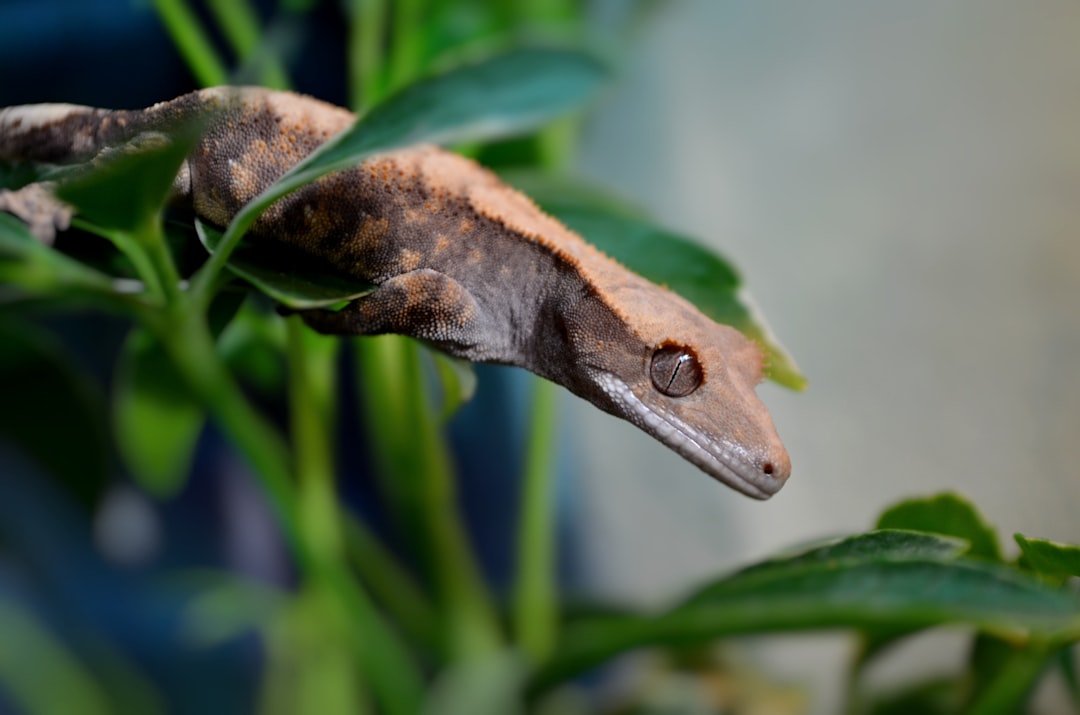
This guide covers the most common crested gecko behaviors, what each one means, and when you actually need to act.
Understanding Crested Gecko Activity Patterns
Crested geckos are crepuscular and nocturnal. In the wild on the islands of New Caledonia, they spend daylight hours pressed against bark or tucked into dense foliage, invisible to predators. At dusk, they emerge to forage for fruit, nectar, and small invertebrates.
This rhythm does not change in captivity. A crested gecko that refuses to move during the day is not lazy or sick. It is doing exactly what its biology dictates.
What to expect by time of day:
In the morning and through the afternoon, most geckos will be found at the lowest, darkest point in the enclosure. They may be tucked behind a hide, pressed against the back glass under a plant, or squeezed into cork bark. Movement should be minimal. If you see your gecko actively exploring during the afternoon, especially in bright light, that is unusual and worth noting.
Around dusk (roughly 7-9 PM depending on your ambient light schedule), activity picks up noticeably. Geckos will often begin moving toward food cups, climbing to higher perches, and exploring the full enclosure. This is the window when most feeding happens and when geckos are most tolerant of handling.
Through the night, crested geckos are at their most active. They may traverse the entire enclosure multiple times, spend time at the top of the vivarium, and engage in extended foraging behavior near food cups.
Variation between individuals: In our experience keeping and breeding crested geckos, there is significant individual variation in how bold or retiring a gecko is. Some geckos are out and visible by early evening and easy to spot at any hour. Others remain cryptic and are almost never seen in the open. Both extremes fall within normal.
Temperature plays a meaningful role in activity levels. Geckos kept at the lower end of their preferred range (68-72°F) will be less active than those at 74-76°F. A quality digital thermometer and hygrometer like the ThermoPro TP49 helps you confirm your ambient conditions match what your gecko actually needs. Consistent temperature swings or persistent temps above 80°F will cause stress behaviors distinct from normal daytime torpor.
Red flags in activity patterns:
- Lethargy combined with weight loss
- Complete inactivity even during the night window for multiple consecutive nights
- Unusual daytime movement accompanied by apparent weakness or inability to grip
- Hiding at the bottom of the enclosure with neck craned upward (a sign of respiratory distress)
Why Crested Geckos Hide and What It Means
Hiding is the single behavior most likely to alarm new crested gecko keepers, and it is almost always benign. A gecko in a properly set up enclosure should spend most of its visible time hidden.
The function of hiding is predator avoidance. A crested gecko that is visible is a crested gecko that can be eaten. This instinct runs deep and does not soften much with captive breeding, though well-socialized individuals from calm genetic lines may be more visible than others.
Types of hiding and what drives each:
Daytime hiding is baseline normal behavior. No action needed. The enclosure should always have a hide placed at the lower third of the vivarium, close to the substrate, to support this natural pattern. A naturalistic moss-covered hide like the Galapagos Mossy Cave Hide gives the gecko a secure, enclosed space that mimics crevices in bark and rock.
Prolonged hiding after introduction is also normal and expected. When you first bring a crested gecko home, expect 2-4 weeks of almost complete hiding. The gecko is acclimating to new smells, sounds, and a new visual environment. Handling should be kept to a minimum during this period. Leave food out every other night and confirm it is being eaten, but otherwise leave the animal alone.
Hiding following handling often indicates the gecko found the interaction stressful. This is especially common in younger geckos. Keep sessions short (5-10 minutes maximum for juveniles), handle close to a surface, and return the gecko before it shows visible stress signals.
Sudden increase in hiding in a gecko that was previously visible should be investigated. Check temperatures (high ambient temps will drive geckos to the coolest spot), confirm humidity is not critically low, and observe the animal’s body condition at feeding time. Rule out illness before concluding the behavior is environmental.
Providing adequate hides: A common mistake is under-hiding an enclosure. Most crested gecko setups should have at least two hides: one at the lower level for daytime security and one at mid or upper level for nighttime resting. Live plants and cork bark flats also function as hides and increase the gecko’s comfort significantly. We have found that geckos in heavily planted enclosures are almost always calmer and more visible at night than geckos in sparsely decorated setups, even when the geckos are genetically similar.
Crested Gecko Glass Surfing
Glass surfing – where a crested gecko repeatedly scrambles up and down the glass walls of its enclosure – is one of the more visually dramatic behaviors keepers observe, and it has several distinct causes.
What it looks like: The gecko orients toward a glass wall and climbs or slides repeatedly. It may pace along one wall, attempt to climb a corner, or press its nose against the glass. The behavior often happens in bursts rather than continuously.
Cause 1: Normal exploration during acclimation. Newly housed geckos will glass surf as they map their new environment. This usually subsides within 2-4 weeks as the gecko becomes familiar with its enclosure. No intervention needed.
Cause 2: Reflection. Crested geckos can perceive their own reflection as a rival. This is more common in enclosures where bright interior lighting creates a mirror effect on the glass, especially at night when the room behind the enclosure is dark. Reducing interior brightness, adding background on the rear and sides, or introducing more visual clutter (plants, cork) typically resolves this.
Cause 3: Hunger. Geckos that are not being fed often enough will increase activity near feeding areas, including the walls. Check that you are offering CGD (crested gecko diet) every other day and live insects at least twice a month for juveniles and monthly for adults. Using dedicated gecko food and water cups placed consistently in the same location can help geckos locate food reliably without the anxious searching that drives some glass surfing.
Cause 4: Enclosure too small. Subadult and adult geckos that have outgrown their enclosure will glass surf persistently. A juvenile (under 10g) can do well in a 12x12x18 enclosure, but adults need a minimum 18x18x24 and ideally 24x18x36 or larger. If an adult gecko is glass surfing in a standard 20-gallon tank, consider an upgrade before troubleshooting anything else.
Cause 5: Temperature. An enclosure that is consistently too warm will cause a gecko to search for an exit. If glass surfing coincides with warmer ambient temperatures, check your thermometer and add ventilation if needed. The upper limit for crested geckos is around 80°F, and exposure above this threshold is stressful and potentially dangerous.
When to be concerned: Glass surfing that continues beyond the acclimation period, intensifies rather than fades, or is accompanied by weight loss warrants investigation. Rule out enclosure size, temperature, and feeding frequency before assuming a behavioral issue.
Crested Gecko Defensive Behaviors and Stress Signals
Understanding stress signals allows you to intervene before a situation escalates. Crested geckos communicate through posture and action, and learning to read these signals makes you a better keeper.
Vocalizations
Crested geckos are not silent. They produce several sounds, most of which are defensive.
Squeaking or chirping is the most common vocalization and is almost always a stress response. If your gecko squeaks during handling, it is telling you it wants to be put down. Repeated squeaking during routine handling is a sign you need to slow down your socialization process. Some geckos, particularly younger animals, squeak readily when startled; others almost never vocalize.
Barking is a louder, more emphatic vocalization produced when the gecko feels genuinely threatened. This is less common than squeaking and typically occurs when the gecko is cornered or surprised by a sudden movement. Back off and give the animal space.
Hissing is rare in crested geckos compared to some other reptiles, but does occur. It accompanies an open mouth and signifies extreme stress or a threat display.
Tail Waving and Drop
Crested geckos can autotomize – voluntarily shed – their tails as a predator escape mechanism. Unlike leopard geckos, crested geckos do not regenerate their tails. A tailless crested gecko (referred to as a “frog butt” in the hobby) is perfectly healthy and the condition is common. Many breeders actually favor tailless morphs for aesthetic reasons.
Tail waving before a drop is a warning signal, similar to the rattle on a rattlesnake. Tail autotomy in lizards is a well-documented antipredator defense mechanism documented in detail in the University of Michigan’s Animal Diversity Web entry for Correlophus ciliatus. The gecko raises and slowly waves its tail before releasing it. If you see this during handling, set the gecko down gently and give it space. Tail drops during handling are entirely avoidable by learning to recognize this precursor behavior.
Tail drops from stress (rather than physical restraint) are less common but can occur in highly stressed animals kept in poor conditions. If a gecko drops its tail without obvious provocation, evaluate the entire husbandry setup for stressors.
Threat Postures
When a crested gecko feels threatened, it may open its mouth wide, lunge toward a perceived threat, or flatten its body to appear larger. These behaviors are most common in unsocialized juveniles or wild-caught animals and typically diminish significantly with consistent, calm handling over weeks or months.
Feeding Behavior: What Normal Looks Like
Crested gecko feeding behavior is one of the more reliable indicators of overall health and comfort. Understanding normal patterns makes it easier to identify when something is off.
CGD consumption: Most crested geckos feed from their Pangea, Repashy, or other complete diet within a few hours of lights-out. If you check the cup first thing in the morning, you should see lick marks or visible reduction in the CGD level. A gecko that consistently ignores CGD is either being offered too much at once (old food becomes unappetizing), has a supply that has gone off, or is unwell.
Live insect feeding: When offered feeders like dubia roaches or crickets, a healthy crested gecko typically reacts with heightened alertness, slow deliberate approach, and fast strikes. Geckos that ignore live prey entirely, or that show interest but fail to strike accurately, may have low temperatures, a shedding issue affecting their vision, or a health problem.
Not eating after a move: Geckos frequently refuse food for 1-3 weeks after a new home introduction. This is normal and should not be confused with ongoing anorexia. Continue offering fresh CGD every other night and remove uneaten food after 24-48 hours. See our full crested gecko feeding guide for specific portions and schedules by age.
Seasonal slowdowns: Adult crested geckos, especially females, often reduce food intake during winter months even when ambient temperature remains stable. This is a natural biological rhythm and not a cause for alarm provided body condition is maintained. We have observed this consistently across multiple breeding seasons in our collection.
Weight monitoring: The most reliable way to track feeding health over time is weekly weighing. A healthy juvenile should gain weight steadily through its first year. A healthy adult should maintain stable weight year-round, with minor fluctuations acceptable. Weight loss over consecutive weeks requires investigation. Reference our crested gecko weight and growth chart for expected benchmarks at each life stage.
Shedding-Related Behavior
Shedding (ecdysis) triggers a predictable set of behavioral changes. Recognizing these patterns prevents mistaking a normal shed cycle for illness.
Pre-shed indicators:
- Skin takes on a duller, more opaque appearance
- Color shifts slightly – some geckos lighten, others darken before a shed
- Reduced appetite or complete food refusal for 3-7 days
- Increased time spent in the humid hide or lower, more humid areas of the enclosure
- Occasional restlessness or rubbing against surfaces
During shed: Crested geckos typically shed quickly, often completing the process within minutes once they begin actively peeling. They will eat the shed skin – this is normal and beneficial. Do not disturb a gecko mid-shed.
Post-shed: Appetite and activity usually return to normal within 24 hours of a completed shed. If your gecko appears to have retained shed (look particularly at the toes and around the eyes), do not pull it off. Provide a humid hide or lightly mist the enclosure and allow the gecko to remove it naturally. Persistent retained shed on toes can constrict circulation and cause permanent damage if left too long, but a single day of elevated humidity almost always resolves it.
Shedding problems are usually caused by humidity that is consistently too low. A drop and dry cycle – misting to 70-80% at night, allowing it to fall to 50-60% by morning – supports healthy sheds. For a comprehensive breakdown of shedding cycles, see our crested gecko temperature and humidity guide.
Common Behavior Mistakes New Keepers Make
Even well-intentioned keepers sometimes make choices that directly cause the stress behaviors described above. These are the most frequent mistakes we see.
Mistake 1: Handling too early, too long, or too often. The desire to interact with a new gecko is understandable, but early handling is the single most common cause of prolonged stress behavior. Wait at least two weeks before attempting any handling after bringing a gecko home. Start with sessions of 5 minutes or less and build from there based on the gecko’s tolerance signals, not your schedule.
Mistake 2: Checking on the gecko during daylight hours by disturbing the enclosure. Repeatedly lifting hides, parting plants, or picking up the gecko to check on it during the day is the equivalent of repeatedly waking a person up mid-sleep. Limit daytime interaction to quick visual checks. If you want to observe your gecko, do it in the evening hours.
Mistake 3: Enclosure too exposed. A vivarium placed in a high-traffic area with frequent movement nearby, positioned at eye level or lower where people pass, or sitting next to speakers or appliances will produce a chronically stressed gecko. Geckos do best when the enclosure is positioned at or above eye level and in a quieter area of the room.
Mistake 4: Overfeeding CGD and not monitoring freshness. Leaving CGD in the enclosure for more than 24 hours – especially in warm conditions – allows it to ferment or mold. Geckos will often reject spoiled food. Replace cups every feeding night with fresh CGD, and remove uneaten portions promptly.
Mistake 5: Confusing brumation-adjacent slowdowns with illness. Adult crested geckos can go through multi-week periods of reduced activity and appetite, particularly in fall and winter. Many keepers panic and begin force-feeding or making unnecessary husbandry changes. As long as body condition (weight, hydration, muscle tone) is maintained, a periodic slowdown is normal. Monitor, do not intervene.
Mistake 6: Skipping humidity monitoring. Behavioral changes – particularly increased restlessness, glass surfing, and prolonged hiding – are frequently caused by enclosure humidity that is either chronically low or never allowed to drop and dry. Conditions that are perpetually soaking wet are just as problematic as conditions that are permanently dry. A reliable hygrometer that records minimums and maximums helps you see the full picture rather than just a point-in-time reading.
Frequently Asked Questions
Why is my crested gecko always hiding?
Hiding is the normal, default state for a crested gecko during daylight hours and whenever it feels exposed. If your gecko hides during the day and comes out at night (even if you never see it do so, you should see food cup evidence and movement on the glass), this is completely normal. If the gecko is hiding constantly, including at night, and you see no evidence of nighttime activity, check temperature, humidity, and body condition. A persistently inactive gecko with weight loss needs a veterinary evaluation.
Is it normal for my crested gecko to jump or lunge when I open the enclosure?
Yes. Crested geckos are alert, reactive animals and sudden disturbances – especially from above – trigger a startle response that often manifests as a leap. In the wild, a predator approaches from above, so an overhead disturbance is read as a serious threat. Approach the enclosure from the side, move slowly, and allow the gecko to see your hand before you reach toward it. This significantly reduces startle jumps over time. A crested gecko falling from a height due to a startle jump is a genuine injury risk, so developing deliberate, slow handling habits is important.
My crested gecko waves or shakes its tail. What does this mean?
Slow, deliberate tail waving is typically a precursor to tail autotomy – the gecko is about to drop its tail. Back off immediately if you see this during handling and give the gecko space. Occasional tail twitching without the full waving motion is less significant and may be an exploratory behavior or a reaction to nearby movement. Crested geckos do not grow back dropped tails, so learning to recognize and respond to this signal is one of the most practically useful things a new keeper can do.
Why does my crested gecko lick everything?
Tongue flicking and surface licking are chemosensory behaviors. Crested geckos gather information about their environment, food sources, and other animals through their tongue. A gecko that licks its enclosure walls, your hands, or objects in the tank is exploring and gathering information – this is healthy and normal. Increased licking of surfaces may also indicate the gecko is looking for water droplets; ensure you are misting the enclosure each night and that the gecko has access to water.
Is glass surfing dangerous?
Glass surfing itself is not physically dangerous, but it is a behavioral signal worth investigating. Occasional glass surfing in a newly housed gecko is normal. Persistent glass surfing in a well-established gecko usually indicates something in the husbandry needs attention – most often enclosure size, temperature, or feeding frequency. Use the causes listed earlier in this guide as a diagnostic checklist.
My crested gecko seems aggressive. Is this normal?
Crested geckos are not naturally aggressive toward humans, but juveniles and unsocialized adults will sometimes bite, lunge, or open-mouth display when handled. This is a defensive response, not aggression in the predatory sense. With consistent, low-stress handling sessions over weeks, the vast majority of crested geckos become calm and tolerant. A gecko that bites reliably during handling is telling you the handling approach needs adjustment – shorter sessions, less restraint, more predictability.
Putting It Together: A Quick Reference
| Behavior | Usually means | Action needed? |
|---|---|---|
| Hiding during the day | Normal crepuscular rhythm | No |
| Glass surfing (new gecko) | Acclimation and exploration | No, monitor |
| Glass surfing (established gecko) | Temp, size, hunger, reflection | Yes, diagnose |
| Tail waving | Pre-drop warning | Yes, back off immediately |
| Squeaking during handling | Stress; wants to be put down | Yes, end session |
| Reduced appetite | Shed cycle, seasonal slowdown | Monitor weight |
| Dull, opaque skin | Pre-shed | Increase humidity, do not disturb |
| Food cup untouched for days | Old food, wrong temp, illness | Check food freshness + temps |
| Tongue flicking surfaces | Normal chemosensory exploration | No |
| Lethargy + weight loss | Illness | Yes, vet evaluation |
Conclusion
The most effective thing you can do as a crested gecko keeper is learn the difference between behaviors that require action and behaviors that are simply part of what these animals are. A gecko that hides all day and comes alive at 9 PM is healthy and comfortable. A gecko that glass surfs every night is telling you something specific is wrong with its environment.
Bookmark this guide and come back to it when behavior changes or when you see something unfamiliar. Most crested gecko concerns resolve quickly once you understand the biology driving the behavior.
Related reading: Baby crested gecko care: the first 60 days covers behavior-specific concerns for juveniles, including normal stress responses during early life and how to handle your first gecko successfully.
If you found this guide helpful, bookmark it for your next enclosure check or share it with a new keeper who is still figuring out what their gecko is trying to tell them.