Setting up a Quarantine Tank for New Reptiles
This post contains affiliate links. As an Amazon Associate, I earn from qualifying purchases at no extra cost to you.
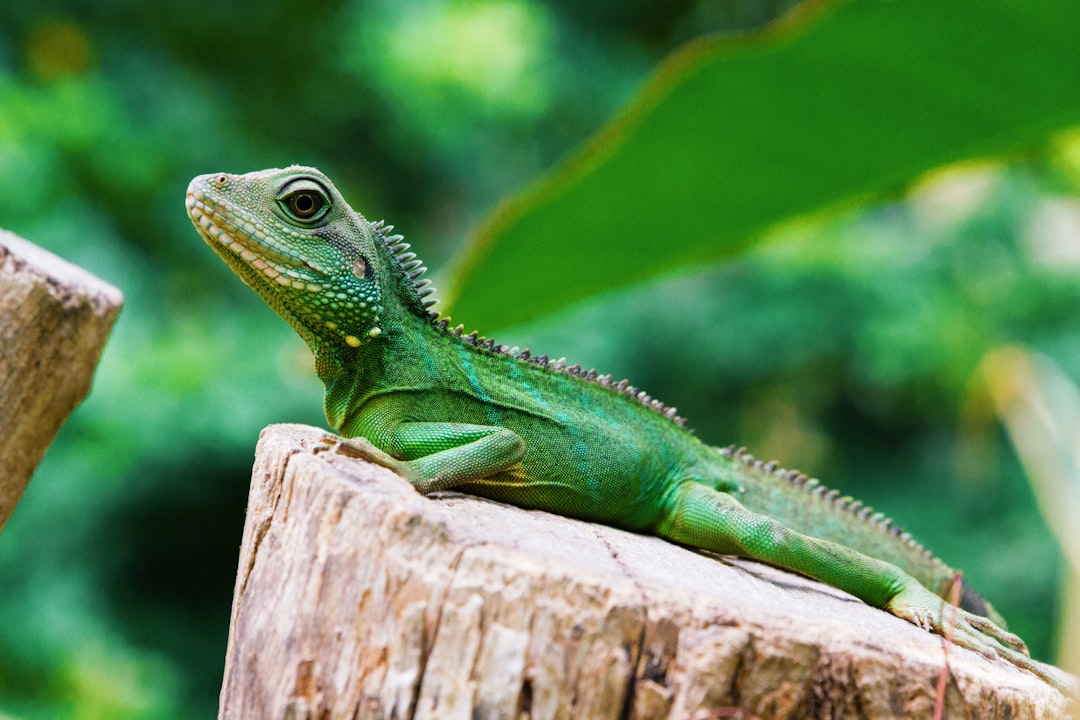
Photo by Linus Mimietz on Unsplash
Bringing home a new reptile is an exciting moment for any keeper, but it is also the time of highest risk for your existing collection. Skipping the quarantine process is a gamble that can lead to the introduction of mites, respiratory infections, or deadly parasites like Cryptosporidium. A single sick animal can quickly compromise every other reptile in your home if you are not careful. Establishing a dedicated quarantine protocol is the only way to ensure your new pet is healthy before it joins your permanent reptile room. In our experience, the cost of a temporary setup is a small price to pay compared to the veterinary bills associated with an outbreak.
Why a Quarantine Tank is Non-Negotiable
The primary purpose of a quarantine tank is bio-security. When you purchase a new animal from a breeder or a pet store, you are also inheriting the health status of every other animal that individual has been in contact with. Many reptiles are masters of hiding illness. A gecko might look perfectly healthy upon arrival but could be harboring internal parasites that only manifest under the stress of a new environment. By using a separate enclosure, you create a physical barrier that prevents the spread of pathogens through direct contact or shared equipment.
We have found that a proper quarantine period should last between 60 and 90 days. This duration allows enough time for the incubation periods of most common reptile diseases to pass. During this window, you can observe the animal for signs of lethargy, abnormal stools, or neurological issues. If you notice anything suspicious, the animal is already isolated, making treatment much easier and preventing the need to disinfect your entire reptile room. Without this isolation period, a single mite or a microscopic spore can travel on your hands from one enclosure to the next, leading to a collection-wide catastrophe.
Bio-security also extends to the air and the tools you use. Ideally, the quarantine area should be in a completely different room from your established pets. Airflow can carry certain pathogens, and the simple act of misting can aerosolize bacteria. By keeping the new arrival separate, you significantly lower the statistical probability of cross-contamination. This is the gold standard for any serious keeper who values the long-term health of their animals.
Choosing the Best Quarantine Tank Enclosure
When selecting an enclosure for quarantine, functionality must take precedence over aesthetics. You want a setup that is easy to clean, easy to disinfect, and provides a clear view of the inhabitant. For smaller species or juveniles, the Penn-Plax Small World Habitat 1 Gallon Portable Clear Plastic Tank is an excellent choice. It is lightweight and allows for 360-degree observation of the animal. Because it is made of smooth plastic, there are no crevices where mites or bacteria can hide, making the sterilization process at the end of the quarantine period very simple.
For larger reptiles or adult crested geckos that require more vertical or horizontal space, the Exo Terra Faunarium Flat Home Plastic Reptile Terrarium Large provides a more appropriate footprint. The flat design makes it easy to stack if you are managing multiple new arrivals, though each should still have its own dedicated space. These plastic tubs are far superior to glass tanks for quarantine because they are easier to move to a sink or bathtub for deep cleaning. They also retain humidity well, which is vital for many tropical species during their adjustment period.
In our experience, you should avoid using wooden or melamine enclosures for quarantine. These materials are porous and can harbor parasites even after being wiped down with disinfectant. Stick to high-quality plastic or glass that can withstand harsh cleaning agents like F10 or diluted bleach. The goal is to create a sterile environment that prioritizes hygiene above all else. Once the animal has passed its health checks, it can then be moved into a more permanent, decorated display vivarium.
Monitoring Health and Environmental Variables
The success of your quarantine depends on your ability to monitor the animal and its environment accurately. You cannot rely on guesswork when it comes to heat and humidity. A new reptile is already stressed, and being kept at the wrong temperature can suppress its immune system further. We always recommend using a REPTI ZOO 2 Pack Reptile Terrarium Thermometer Hygrometer Digital Display to keep a constant eye on the conditions. Having a two-pack is particularly useful because you can monitor both the warm and cool ends of the enclosure simultaneously.
During the first few weeks, you should pay close attention to the animal’s appetite and waste production. Using white paper towels as a substrate is a standard practice in quarantine. This makes it incredibly easy to see the color and consistency of the urates and feces. It also allows you to spot external parasites like mites, which appear as tiny black or red moving dots against the white background. If you see any abnormalities, you should collect a fresh fecal sample and take it to a qualified veterinarian for testing.
The Association of Reptilian and Amphibian Veterinarians (ARAV) provides resources for finding specialized vets who can perform these crucial screenings. We’ve found that many keepers ignore the importance of a baseline fecal exam, but it is the only way to be 100% sure your reptile is free of hookworms, pinworms, or coccidia. If the animal is eating well, gaining weight, and producing normal waste, you are on the right track. Consistent monitoring with digital tools ensures that you aren’t adding environmental stress to an already delicate situation.
Hygiene and Sterilization Protocols
Maintaining a quarantine tank requires a different mindset than maintaining a display tank. You must treat the quarantine area as a “hot zone” where everything is potentially contaminated. This means you should always handle your established, healthy animals first and the quarantined animal last. After interacting with the new reptile or its enclosure, you must wash your hands thoroughly with soap and water. Better yet, use a dedicated set of feeding tongs and misting bottles that never leave the quarantine room.
When we tested different cleaning routines, we found that a daily spot clean is essential. Remove any soiled paper towels immediately and replace them with fresh ones. Once a week, the entire enclosure should be stripped down and disinfected. Because quarantine setups are usually minimalist, this process should only take a few minutes. Use a reptile-safe disinfectant and ensure the enclosure is completely dry and free of fumes before placing the animal back inside.
Avoid adding porous decorations like natural driftwood or cork bark during this phase. These items are difficult to sterilize and can hide pests. Instead, use plastic plants and PVC pipes or plastic hides that can be boiled or scrubbed. This minimalist approach might not look as beautiful as a bioactive setup, but it is significantly safer. The priority is the health of the animal, not the visual appeal of the tank. Once the quarantine period is over, you can safely introduce the reptile to a more naturalistic environment.
How to Set Up Your Quarantine Tank
| Step | Action | Why it Matters |
|---|---|---|
| 1 | Select a plastic enclosure | Easy to disinfect and monitor movement. |
| 2 | Layer with paper towels | Allows for easy tracking of mites and waste quality. |
| 3 | Add simple, non-porous hides | Provides security without harboring bacteria. |
| 4 | Install digital sensors | Ensures temperatures stay within the safe range. |
| 5 | Place in a separate room | Prevents airborne transmission of pathogens. |
Common Mistakes and Troubleshooting
One of the most frequent mistakes keepers make is ending the quarantine period too early. It is tempting to move a beautiful new gecko into its permanent home after just two weeks of good health. However, many issues do not manifest until the third or fourth week. Stay disciplined and stick to your 60-day or 90-day plan. Another common error is using the same equipment across multiple tanks. If you use the same feeding tongs for your sick-bay and your main collection, you have effectively bypassed the quarantine entirely.
If you discover mites during the quarantine period, do not panic. Because the animal is in a simple setup, treatment is much easier. You can discard the paper towels, soak the plastic hides in a bleach solution, and treat the animal as directed by a vet. If the animal was already in a bioactive vivarium with soil and live plants, treating mites would be a nightmare that often requires throwing away the entire setup. This is exactly why we use a sterile quarantine tank first.
Frequently Asked Questions
How long should a reptile stay in quarantine? Most experts recommend a minimum of 60 days. For high-risk animals or those coming from unknown backgrounds, 90 days is even safer to ensure no late-emerging symptoms appear.
Can I use a bioactive setup for quarantine? No. Bioactive setups are impossible to fully sterilize if a parasite or disease is discovered. Use paper towels and plastic decorations so that everything can be easily cleaned or replaced.
Should the quarantine tank be in the same room? Ideally, no. To prevent the spread of mites or airborne pathogens, the quarantine tank should be kept in a separate room with its own ventilation and dedicated supplies.
Conclusion
Setting up a quarantine tank is an essential skill for any responsible reptile keeper. By choosing the right enclosure, monitoring environmental variables with digital tools, and maintaining strict hygiene protocols, you protect your entire collection from unnecessary risk. It requires patience and discipline, but the peace of mind it provides is invaluable. Before you introduce your next pet to its permanent home, ensure it has passed a rigorous quarantine period.
For more information on keeping your reptiles healthy, bookmark this guide and check back for our latest husbandry updates.