How to choose the right UVB bulb for any reptile
This post contains affiliate links. As an Amazon Associate, I earn from qualifying purchases at no extra cost to you.
Providing the correct ultraviolet B (UVB) lighting is the most critical technical challenge in modern reptile husbandry. For decades, the hobby relied on guesswork, often leading to the tragic prevalence of Metabolic Bone Disease (MBD). We now understand that UVB is not a luxury or a simple “daylight” simulator. It is a physiological necessity that drives the synthesis of Vitamin D3, which in turn allows reptiles to metabolize calcium. Without this specific wavelength of light, even a calcium-rich diet cannot prevent a slow and painful skeletal collapse. The market is currently flooded with various bulb shapes, percentages, and technologies, making the selection process overwhelming for many keepers. However, choosing the right lighting is a matter of matching the specific biological needs of your animal with the physical constraints of your enclosure. This guide prioritizes high-output linear lighting as the gold standard while acknowledging where other technologies fit into a professional care plan. By focusing on the scientific data provided by researchers and manufacturers, you can move past the marketing jargon and select a lighting system that ensures long term health and vitality for your reptile.
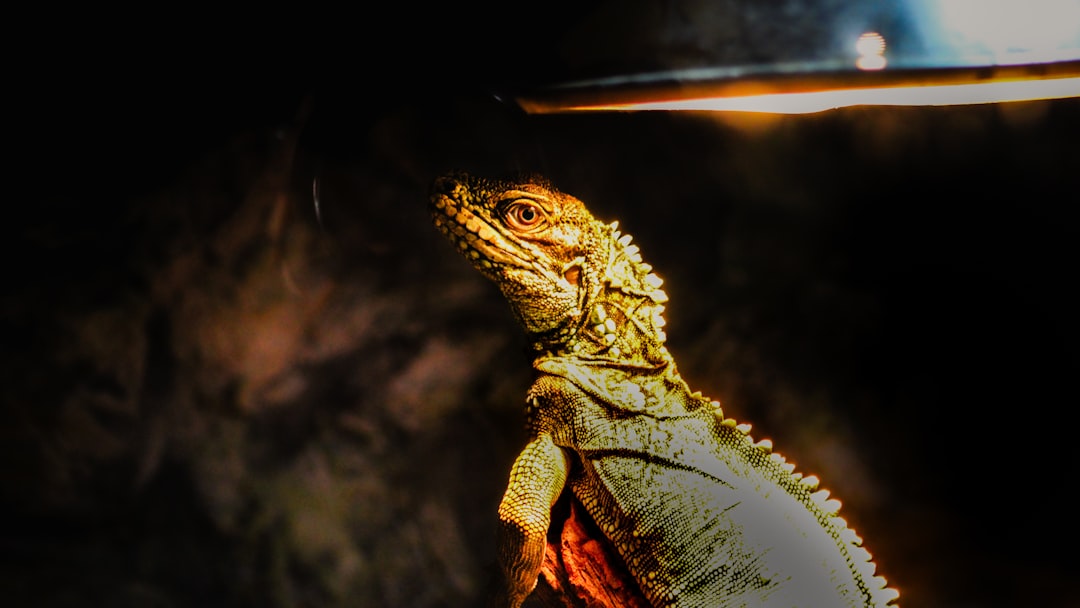
Photo by Arjun Raj on Unsplash
Understanding Ferguson Zones: How to Choose the Right UVB Bulb for Any Reptile
The foundation of modern reptile lighting is the Ferguson Zone system. This classification, derived from a study published in the Journal of Zoo and Aquarium Research, categorizes reptiles into four distinct groups based on their sun-exposure behaviors in the wild. To select the correct bulb, you must first identify which zone your species occupies. Zone 1 includes crepuscular or shade-dwelling species, such as many leaf-tailed geckos or certain amphibians, which require very low levels of UVB. These animals typically thrive with a UVI (Ultraviolet Index) of 0.0 to 0.7 at their basking site. Zone 2 consists of partial sun or occasional baskers, like many colubrid snakes or box turtles, requiring a UVI range of 0.7 to 1.0. Zone 3 is home to the most common pet reptiles, including bearded dragons and green iguanas, which are open or partial sun baskers needing a UVI of 1.0 to 2.6. Finally, Zone 4 is reserved for mid-day sun baskers, such as Uromastyx or certain desert iguanas, which require high intensity UVI levels of 2.6 to 3.5 or higher.
When you look at a product like the Arcadia ProT5 UVB Kit, you are looking for the percentage of UVB output (e.g., 6%, 12%, or 14%) that aligns with these zones. A 6% bulb is generally appropriate for Zone 1 and 2 animals at standard distances, while a 12% or 14% bulb is required for Zone 3 and 4 species. The goal is not to bathe the entire enclosure in high-intensity UV. Instead, you are creating a “UV gradient” that allows the animal to move in and out of the light as needed, much like they would in nature. This mimics the self-regulating behavior of reptiles, where they move to a basking spot to “charge” their Vitamin D3 levels and then retreat to the shade to prevent overexposure and dehydration. Failure to provide this gradient can lead to photo-kerato-conjunctivitis (eye damage) or skin burns if the animal cannot escape the radiation.
Manufacturers provide charts that show the UVI levels at specific distances. For instance, a 12% T5 bulb might provide a UVI of 3.0 at 12 inches but only 1.0 at 18 inches. You must measure the distance from the bulb to the highest point of your reptile’s basking platform to ensure you are hitting the target Ferguson Zone. If your animal is a climber, you must also ensure that the highest branches do not bring the animal too close to the bulb, where the UVI could reach dangerous levels. Using these zones as your North Star removes the ambiguity from the buying process and ensures your lighting matches the evolutionary requirements of the species.
Technical Specifications: How to Choose the Right UVB Bulb for Any Reptile Enclosure
The physical format of the bulb is just as important as its percentage output. In the current market, three primary technologies exist: Linear T5 High Output (HO) tubes, Linear T8 tubes, and Compact Fluorescent Bulbs (CFLs). For the vast majority of setups, the Linear T5 HO is the superior choice. These bulbs are thinner, more efficient, and have a much further “throw” of usable UV light than the older T8 technology. A T5 bulb can often provide adequate UVB at distances of 12 to 18 inches, whereas a T8 bulb typically loses its effectiveness beyond 6 to 10 inches. This makes T5 bulbs essential for taller enclosures, such as those used when you set up a bioactive bearded dragon enclosure where the light must penetrate through several feet of space.
Compact bulbs, such as the Zoo Med ReptiSun 10.0 UVB Mini Compact Fluorescent, serve a very specific and limited role. Because the glass is coiled into a small shape, the UV output is concentrated into a narrow, intense beam directly beneath the bulb. This creates a “spotlight” effect rather than a wide, even gradient. While these can be useful for small, temporary quarantine tubs or for species that only require very low levels of UV in a localized area, they are generally insufficient for larger, permanent enclosures. If you use a compact bulb for a sun-loving species, the animal may only receive UV on a small portion of its body, which is not how they absorb radiation in the wild. This uneven exposure can lead to localized skin issues or insufficient D3 synthesis.
Furthermore, the longevity of these bulbs varies significantly. T8 and compact bulbs generally lose their effective UV output within 6 months, even if they still appear bright to the human eye. T5 HO bulbs, by contrast, often maintain their effective UVI for 12 months. This is because the phosphors inside the glass degrade over time. You cannot rely on visual cues to know when a bulb is “dead.” Professional keepers often use a Solarmeter 6.5 to measure the actual UVI output. If a meter is not in your budget, you must strictly adhere to a replacement schedule. Transitioning to a high-quality T5 system like the Arcadia ProT5 kit often saves money in the long run because of the extended replacement interval and the reduced risk of expensive veterinary visits associated with MBD.
The Role of Mercury Vapor Bulbs in High-Intensity Systems
Mercury Vapor Bulbs (MVBs) represent a unique category of lighting that combines heat, visible light, and UVB into a single lamp. The Mega-Ray Mercury Vapor Bulb is a prime example of this technology. These are high-intensity discharge lamps that are particularly effective for very large enclosures or for species with extremely high UV requirements, such as large monitors, tortoises, or green iguanas. Because they produce significant heat, they cannot be used with a thermostat in the traditional sense; dimming an MVB will destroy the bulb and can cause it to emit dangerous levels of radiation. Instead, you must adjust the height of the bulb to reach the desired temperature and UVI at the basking spot.
The primary advantage of an MVB is the intensity of the light. It more closely mimics the “all-in-one” nature of the sun than any other single bulb. However, this intensity comes with significant tradeoffs. MVBs are physically large and require a deep dome fixture with a ceramic socket to handle the heat. They also have a minimum safe distance - usually 12 to 18 inches - to prevent thermal burns and eye damage. If your enclosure is less than 2 feet tall, an MVB is likely too powerful and will create a dangerous environment for your reptile. Additionally, because they are “spot” sources, they do not provide the wide UV gradient that a linear T5 tube offers across the length of the enclosure.
For many professional keepers, the best approach is a hybrid system. This involves using a linear T5 HO tube to provide a consistent UV gradient across half to two-thirds of the enclosure, while using a halogen heat lamp or an MVB for a concentrated basking “hot spot.” This ensures that the animal is receiving some level of UV regardless of where it is on the warm side of the tank. It is also important to note that MVBs are quite fragile. The internal filaments can be damaged by vibrations or by moving the lamp while it is still hot. If you choose an MVB, ensure it is securely mounted in a way that prevents it from being bumped during daily maintenance.
SAFETY WARNING: UV RADIATION AND ELECTRICAL HAZARDS UVB bulbs emit radiation that can be harmful to human skin and eyes with prolonged exposure. Never look directly at a lit UVB bulb. Ensure all lighting is plugged into a high-quality surge protector. When using high-wattage heat or Mercury Vapor Bulbs, always use a ceramic (porcelain) socket fixture rated for the bulb’s wattage to prevent melting or fire. If you are housing reptiles in a room where humans spend significant time, ensure the fixtures are hooded to direct light downward and away from human eye level.
How to Calculate Effective Distance and Mesh Interference
One of the most frequently overlooked factors in choosing a UVB bulb is the impact of the enclosure’s mesh screen. Most commercial glass tanks come with a fine wire mesh top. According to testing data from groups like the Association of Reptilian and Amphibian Veterinarians (ARAV), standard mesh can block anywhere from 30% to 50% of the UV radiation before it even enters the tank. This means if you have a bulb that produces a UVI of 4.0 at 12 inches, placing it on top of a mesh screen might reduce that UVI to a mere 2.0 at the same distance.
To compensate for this, you have two choices: mount the light inside the enclosure or choose a higher-output bulb. Mounting inside is generally preferred for PVC enclosures, as it removes the mesh barrier entirely. However, this requires a protective cage around the bulb to prevent the reptile from climbing on it and suffering burns. If you must mount the light on top of a mesh screen, you should typically opt for a T5 HO bulb with a higher percentage (like a 12% instead of a 6%) to ensure enough radiation reaches the basking site.
The inverse square law of light also dictates that UV intensity drops off rapidly as distance increases. Doubling the distance from the bulb does not just halve the UV; it reduces it to a fraction of its original strength. This is why precise measurement is non-negotiable. Use a tape measure to find the distance from the bottom of the light fixture to the top of the animal’s back when it is sitting on its favorite basking rock. If that distance is 15 inches and you are using a mesh top, you will need a significantly stronger bulb than if the distance was only 8 inches.
| Species Group | Ferguson Zone | Target UVI at Basking Site | Recommended Bulb Type |
|---|---|---|---|
| Crepuscular (e.g., Crested Gecko) | Zone 1 | 0.5 - 0.7 | 5% or 6% T5 HO (Shaded) |
| Partial Sun (e.g., Corn Snake) | Zone 2 | 0.7 - 1.0 | 6% T5 HO or 10.0 Compact |
| Open Sun (e.g., Bearded Dragon) | Zone 3 | 1.1 - 2.9 | 12% T5 HO Linear |
| Mid-day Sun (e.g., Uromastyx) | Zone 4 | 3.0 - 4.5 | 14% T5 HO or Mercury Vapor |
Common Mistakes to Avoid in Reptile UVB Selection
A frequent mistake made by new keepers is placing the UVB bulb behind glass or acrylic. Most standard glass and plastics are designed to filter out UV radiation to prevent fading of furniture or skin damage to humans. If you place your UVB fixture on top of a glass canopy, your reptile will receive zero beneficial UVB, regardless of how powerful the bulb is. This often leads to a false sense of security where the owner believes they are providing proper care while the animal is actually developing MBD. Always ensure there is a clear, unobstructed path (or a wire mesh path) between the bulb and the animal.
Another common problem is the “one-size-fits-all” mentality regarding bulb length. Ideally, your linear UVB bulb should span approximately half to two-thirds the length of your enclosure. It should be positioned on the same side as your heat source to create a combined basking zone. A mistake often seen in large 4-foot enclosures is the use of a single 12-inch compact bulb or a very short linear tube. This forces the animal to choose between being warm and receiving UV. In nature, heat and UV come from the same source (the sun), and reptiles have evolved to seek them out simultaneously. By overlapping your heat and UV, you facilitate natural basking behaviors.
Finally, many keepers fail to account for the “burn-in” period of new bulbs. When a UVB bulb is brand new, its output is often significantly higher for the first 50 to 100 hours of use than its rated average. If you set up a basking spot that is already at the maximum safe UVI for your species, a brand-new bulb might push those levels into the danger zone during the first week. A practical troubleshooting step is to mount new bulbs slightly higher for the first week of use or to use a Solarmeter to verify that the initial output is safe. Conversely, never assume a bulb is still good just because it is blue or white. If you have reached the 12-month mark with a T5, replace it. The cost of a new bulb is a fraction of the cost of treating a reptile with advanced nutritional secondary hyperparathyroidism.
Step-by-Step: Setting Up Your UVB Gradient
To ensure your reptile receives the correct amount of ultraviolet radiation, follow this sequential process for installation and verification.
- Identify the species’ Ferguson Zone. Research the specific UVI requirements for your animal. If you are unsure, consult a reputable source like the ARAV or the manufacturer’s species-specific lighting guides. Most desert species will fall into Zone 3, while tropical, forest-dwelling species often fall into Zone 1 or 2.
- Measure the basking distance. Use a tape measure to determine the exact distance from where the bulb will be mounted to the basking surface. Factor in the height of the substrate and the height of the animal itself. If you are using a mesh top, subtract 30% from the bulb’s advertised UVI output at that distance to account for interference.
- Select the bulb and fixture. Choose a T5 HO linear fixture that covers roughly half the length of the tank. Select the percentage (6%, 12%, 14%) based on the distance and Ferguson Zone requirements identified in the previous steps. Ensure the fixture has a high-quality reflector to direct all light downward toward the animal.
- Install and verify the gradient. Mount the light and turn it on. If possible, use a UVI meter to check the levels at the basking spot, the mid-ground, and the cool end of the tank. The cool end should ideally have a UVI of 0.0, allowing the animal to fully escape the radiation when necessary.
- Set a replacement reminder. Mark the date of installation on the base of the bulb with a permanent marker. Set a calendar alert for 11 months from that date to purchase a replacement, ensuring you never run the bulb past its effective lifespan.
FAQ: Frequently Asked Questions About Reptile UVB
Do nocturnal reptiles like crested geckos or leopard geckos really need UVB?
While many crepuscular and nocturnal reptiles can survive without UVB if they are provided with dietary Vitamin D3, research increasingly shows that they benefit significantly from low-level UV exposure. These animals often engage in “cryptic basking,” where they expose only a limb or a portion of their tail to the sun while remaining mostly hidden. Providing a Zone 1 UVI (0.5 to 0.7) has been linked to improved immune function, better coloration, and more natural activity levels. For a leopard gecko, this might mean using a 5% or 6% T5 HO bulb mounted at a distance that ensures the UVI at the floor is within the target range. It is a safety net that ensures the animal can regulate its own D3 synthesis rather than relying solely on the accuracy of your supplement dusting.
Can I use a “Daylight” or “Full Spectrum” bulb instead of a UVB bulb?
No, “full spectrum” is a marketing term that generally refers to the color temperature (Kelvin) of the light, aiming to mimic the visual appearance of natural sunlight. These bulbs often have a high CRI (Color Rendering Index) which makes the enclosure look beautiful to humans, but they do not necessarily emit the specific UVB wavelengths (290–320 nanometers) required for Vitamin D3 synthesis. You must specifically look for bulbs labeled with a UVB percentage or UVI rating. While visible light is important for the circadian rhythm and plant growth in bioactive setups, it serves a completely different biological function than UV radiation. Always check the packaging for a UVB output chart; if the manufacturer doesn’t provide one, the bulb is likely insufficient for reptile health.
Why does my UVB bulb need a reflector?
A UVB bulb emits light in a 360-degree radius. Without a reflector, half of the UV radiation is directed upward into the top of the fixture or out into the room, where it is wasted. A high-quality, polished aluminum reflector captures that light and redirects it downward into the enclosure. This can effectively double the UVI reaching your reptile compared to a “bare” bulb. When you buy a kit like the Arcadia ProT5, the reflector is built into the housing and shaped specifically to maximize the “throw” of the UV. If you are using a DIY fixture or a cheap shop light, you are likely losing a significant portion of the UV you are paying for, which can lead to under-exposure for your pet.
Conclusion
Choosing the right UVB bulb is a technical requirement that directly impacts the lifespan and comfort of your reptile. By identifying the correct Ferguson Zone for your species and selecting a high-output T5 HO linear system, you provide the most reliable and effective source of Vitamin D3 synthesis available. Remember to account for mesh interference, maintain proper basking distances, and replace your bulbs on a strict annual schedule. While the initial investment in a high-quality fixture and bulb may be higher than a basic compact setup, the health benefits for your reptile and the peace of mind for you as a keeper are invaluable. Take the time to measure your enclosure today and ensure your lighting gradient is meeting the evolutionary needs of your animal.
Bookmark this guide to reference the Ferguson Zone chart whenever you add a new species to your collection.