Bioactive substrate 101: custodians, drainage, and plant choices
This post contains affiliate links. As an Amazon Associate, I earn from qualifying purchases at no extra cost to you.
The transition from sterile paper towels or aspen shavings to a fully functioning bioactive ecosystem represents a significant leap in reptile husbandry. This approach is not merely about aesthetics; it is a commitment to biological engineering. A bioactive system utilizes a living substrate to process animal waste, cycle nutrients, and maintain humidity levels that mimic a species’ natural environment. For keepers of humidity-sensitive species like crested geckos or tropical frogs, this setup provides a buffer against the rapid desiccation often seen in glass enclosures. However, success depends entirely on the structural integrity of the substrate layers and the health of the microfauna inhabiting them. If you fail to account for gas exchange or moisture gradients, your bioactive dream will quickly devolve into a stagnant, anaerobic swamp that threatens the health of your animal.
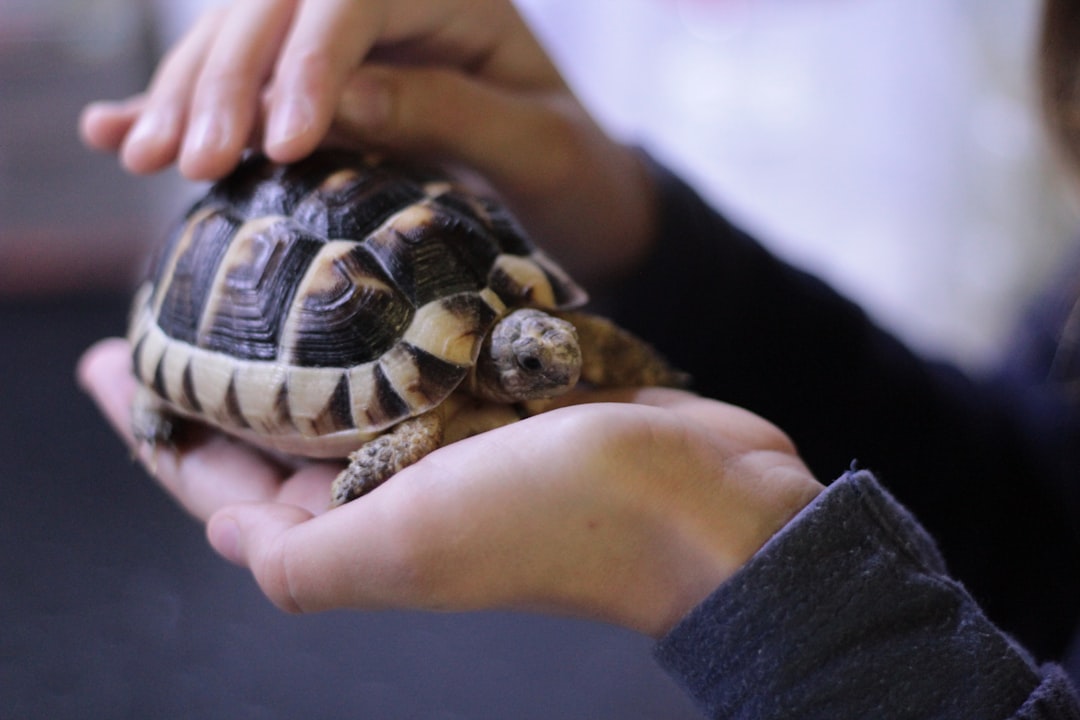
Photo by Fernando Maté on Unsplash
Bioactive Substrate Mechanics: The Foundation of a Living Ecosystem
At its core, a bioactive substrate functions as a biological filter. In a traditional setup, the keeper acts as the primary waste remover, physically extracting feces and replacing soiled bedding. In a bioactive environment, this responsibility shifts to a community of invertebrates and microorganisms. The substrate must be more than just “dirt” to facilitate this. It requires a specific texture and composition to prevent compaction, which would otherwise suffocate the beneficial aerobic bacteria necessary for the nitrogen cycle. Most successful mixes are based on the Atlanta Botanical Gardens (ABG) formula, which utilizes a precise blend of milled sphagnum moss, tree fern fiber, orchid bark, peat moss, and charcoal.
The inclusion of horticultural charcoal is a non-negotiable requirement for long term stability. Charcoal acts as a high surface area site for bacterial colonization and helps filter toxins that can accumulate in the soil over time. Without it, the substrate can become “sour,” leading to a drop in pH that kills off your clean-up crew. When selecting a commercial base, the Josh’s Frogs BioBedding Tropical Bioactive Substrate is a reliable option because it maintains the necessary voids for oxygen even when saturated. Oxygenation is the difference between a healthy forest floor smell and the rotten egg odor of hydrogen sulfide gas produced by anaerobic bacteria.
Furthermore, the substrate must be deep enough to allow for thermal and moisture gradients. For a tropical species like the crested gecko, a depth of four to six inches is standard. This depth allows the top layer to remain relatively dry while the lower layers retain the moisture needed to support the roots of live plants and the lifecycle of your microfauna. If the substrate is too shallow, it will dry out too quickly, causing a population crash in your springtails and isopods. Conversely, if the mix is too dense, it will hold too much water, leading to root rot in your flora. Balancing these physical properties is the first and most critical step in building a sustainable habitat.
Designing a Functional Drainage Layer for Long Term Stability
The drainage layer, often referred to as a “false bottom,” is the most misunderstood component of bioactive design. Its primary purpose is to create a reservoir where excess water can collect away from the soil. This prevents the substrate from becoming waterlogged, which is the leading cause of plant death and substrate failure in closed terrariums. In a tropical setup where daily misting is required, water will inevitably percolate through the soil. Without a drainage layer, that water has nowhere to go, eventually saturating the bottom layer of substrate and creating an anaerobic zone.
A proper drainage layer consists of two parts: the drainage media and a physical barrier. Lightweight expanded clay aggregate (LECA) is the industry standard for media due to its porous nature and light weight. These clay balls wick some moisture back up to the soil through capillary action while allowing the bulk of the water to sit in the gaps between the spheres. Above the LECA, you must place a fine mesh or a specialized substrate barrier. This barrier prevents the fine particles of your substrate mix from falling into the drainage layer and clogging it. If the soil mixes with the standing water, the entire system loses its ability to breathe, and the water will quickly become fouled with decomposing organic matter.
Safety Warning: When installing automated misting systems or high output humidifiers alongside high wattage heat lamps, ensure all electrical connections are secured with drip loops. Water and electricity are a lethal combination in high humidity environments. If you are unsure about your home’s electrical capacity for multiple high draw fixtures, consult a licensed electrician. Additionally, always maintain a working carbon monoxide detector in rooms with gas powered heating, as high humidity can occasionally impact the venting efficiency of older appliances.
To install a drainage layer correctly, follow these sequential steps:
- Clean the Enclosure: Scrub the bottom of the tank with a reptile safe disinfectant to ensure no pathogens are trapped beneath the drainage media.
- Add the Media: Pour two inches of LECA or similar inorganic drainage material into the bottom. Ensure the layer is level across the entire footprint of the tank.
- Install a Standpipe (Optional but Recommended): Place a small diameter PVC pipe in one corner that extends from the bottom of the glass to just above the final substrate line. This allows you to siphon out excess water if the reservoir becomes too full.
- Lay the Barrier: Cut a piece of fiberglass window screening or specialized landscape fabric to the exact dimensions of the tank interior. Lay it flat over the drainage media, ensuring it fits snugly against the walls so no substrate can bypass the edges.
- Begin Substrate Layering: Carefully add your first inch of substrate over the mesh, pressing it down slightly to secure the barrier in place before adding the remaining depth.
Selecting the Best Bioactive Substrate for Tropical and Arid Enclosures
Not all bioactive mixes are created equal, and using a tropical mix for an arid species is a recipe for fungal outbreaks and respiratory infections. The physical requirements for a ball python enclosure differ vastly from those of a bearded dragon. For tropical environments, you need a mix that holds moisture without collapsing. The Pangea Bioactive ABG Mix is specifically formulated to withstand the high humidity and heavy misting cycles required for New Caledonian geckos. It utilizes long fiber sphagnum and tree fern fiber to create a springy, airy texture that supports the burrowing habits of many tropical microfauna.
In contrast, arid bioactive setups require a substrate that can support burrows while remaining dry on the surface. Arid species like bearded dragons or leopard geckos need a substrate with a higher clay and sand content. The The Bio Dude Terra Firma Bioactive Kit is a prime example of an arid capable substrate that does not rely on traditional “dirt” which would simply turn to dust in a hot, dry environment. This mix uses ingredients that allow for a “dry on top, moist on the bottom” gradient, which is essential for the survival of arid clean-up crews like Porcellio laevis or certain species of darkling beetles.
When choosing between these products, consider the weight and the “sink” factor. Heavier animals, like adult ball pythons, will compact substrate much faster than a small gecko. For these larger reptiles, look for mixes with a higher percentage of orchid bark or coco husk chunks to provide structural reinforcement. This prevents the substrate from becoming a flat, dense mat that inhibits gas exchange. You can learn more about enclosure types and their impact on substrate choice in our guide on ball python enclosure setup. The container itself dictates how much substrate you can realistically use and how well it will hold moisture over time.
The Clean-Up Crew: Choosing and Supporting Your Custodians
The clean-up crew (CUC) is the engine of the bioactive system. Without these invertebrates, your substrate is just a collection of damp earth and waste. The primary members of a CUC are springtails and isopods. Springtails are tiny, hexapod invertebrates that specialize in consuming mold and fungus. They are essential for preventing the “mold blooms” that typically occur in the first few weeks of a new bioactive setup. Because they are so small, they can navigate the microscopic crevices within the substrate, ensuring that mold does not take hold in the lower layers.
Isopods, or woodlice, handle the larger organic matter. They consume shed skin, decaying plant matter, and reptile feces. For a crested gecko enclosure, “Dwarf White” isopods (Trichorhina tomentosa) are often the best choice because they are prolific breeders and spend most of their time below the surface, making them less likely to be eaten by the gecko. If you have a larger reptile that produces more waste, you might consider “Dairy Cow” isopods (Porcellio laevis), which are much larger and more aggressive eaters. However, be aware that some reptiles will actively hunt larger isopods, which can decimate your CUC population if you do not provide enough hiding spots.
To support your custodians, you must provide a consistent source of supplemental food and cover. Leaf litter is the most important component here. A thick layer of dried oak or magnolia leaves provides both a primary food source and a humid microclimate for the CUC. According to standards set by professional herpetoculturists at The British Herpetological Society, leaf litter should cover at least 70 percent of the substrate surface. This layer protects the substrate from drying out and creates the “humus” layer where the most intense biological activity occurs. Without leaf litter, your isopods will likely begin to eat your live plants or, in extreme cases, nibble on a molting reptile.
Plant Integration and Lighting for Bioactive Success
Live plants are the final piece of the bioactive puzzle, acting as a natural nitrogen sink. They absorb the nitrates produced by the breakdown of waste, preventing them from reaching toxic levels in the soil. However, keeping plants alive in a reptile enclosure is significantly harder than keeping them in a windowsill pot. The plants must be able to withstand the heat and light requirements of the reptile while surviving the occasional “trampling” by the inhabitant. For tropical setups, Pothos (Epipremnum aureum) is the gold standard due to its rapid growth and extreme resilience. Bromeliads are also excellent for crested geckos, as their central “cups” hold water and provide natural drinking stations.
Lighting is where most keepers fail their plants. Standard reptile UVB bulbs or low wattage heat lamps do not provide the correct spectral output for photosynthesis. To maintain a thriving bioactive garden, you must invest in a dedicated LED plant light with a color temperature between 5000K and 6500K. This simulates natural daylight and provides the PAR (Photosynthetically Active Radiation) necessary for plant growth. Without adequate light, your plants will become leggy and eventually die, leading to a spike in CO2 and a collapse of the substrate’s oxygen levels.
When planting, do not simply bury the nursery pot in the substrate. Remove the plant, wash the roots thoroughly to remove any systemic pesticides or fertilizers, and plant it directly into the bioactive mix. This allows the roots to integrate with the CUC and the fungal networks (mycorrhizae) that develop in healthy soil. If you are setting up an arid tank, the plant choices change to succulents like Aloe vera or Haworthia, which require significantly less water but even more intense light. You can find specific recommendations for arid bioactive flora in our bioactive bearded dragon setup guide.
Common Bioactive Substrate Mistakes to Avoid
One of the most frequent mistakes is the failure to “cycle” the enclosure before adding the reptile. A bioactive system is a living thing that needs time to reach equilibrium. When you first mix the substrate and add the clean-up crew, there is often a massive spike in fungal growth and a fluctuation in humidity. If you introduce a reptile immediately, the stress of the changing environment can weaken their immune system. A practical approach is to allow the enclosure to run for at least four weeks with only the plants and CUC. This allows the springtails to establish a colony large enough to handle the waste load the reptile will eventually provide.
Another common problem is the over saturation of the substrate. Many keepers believe that because a species is “tropical,” the soil should be soaking wet. In reality, very few reptiles live in mud. Overwatering leads to anaerobic conditions, which produce a characteristic “sewer” smell. If you detect this odor, your system has failed, and you likely need to replace the substrate. To avoid this, always check the drainage layer. If the water level in the LECA is touching the substrate barrier, you must siphon it out immediately. The substrate should feel like a wrung out sponge - damp to the touch but not dripping when squeezed.
Finally, do not underestimate the importance of calcium for your clean-up crew. Isopods require calcium to build their exoskeletons. While they will get some from the substrate and leaf litter, providing a supplemental source like cuttlebone or crushed eggshells is a necessary safeguard. If the isopods become calcium deficient, they may stop breeding or even begin to predate on other microfauna. A successful bioactive keeper observes the CUC as closely as the reptile, ensuring that the invisible workers have everything they need to maintain the enclosure’s cleanliness.
FAQ
How long does a bioactive substrate last before it needs to be replaced?
A well maintained bioactive substrate can theoretically last for several years, often five or more, without a full change. Unlike traditional bedding that must be swapped monthly, a bioactive system relies on the clean-up crew to continuously recycle nutrients. However, this longevity is contingent on the physical structure of the soil. Over time, organic components like peat moss and sphagnum will break down and compact. If you notice the substrate level dropping significantly or the soil becoming muddy and dense, you may need to “refresh” the system by adding new leaf litter and orchid bark to the surface. Total replacement is only necessary if the system becomes anaerobic or suffers from a major pest infestation that the CUC cannot manage.
Do I still need to spot clean a bioactive reptile enclosure?
Yes, you must still perform basic maintenance, especially in the first six months. While the clean-up crew will eventually process feces, they are not instantaneous. Large boluses of waste from bigger reptiles can mold before the isopods can finish them, which can be detrimental to the air quality in the tank. A good rule is to spot clean any visible waste that is larger than a nickel. Furthermore, the CUC cannot clean urates (the white, chalky part of reptile waste) as effectively as organic feces. You should also continue to wipe down the glass and any artificial decor. Bioactive is “low maintenance,” not “no maintenance.” Your role shifts from being a janitor to being an ecosystem manager.
Can I use topsoil or compost from my backyard for a bioactive mix?
Using outdoor soil is generally discouraged due to the high risk of introducing pathogens, parasites, or chemical contaminants. Backyard soil may contain pesticides, herbicides, or fertilizers that are toxic to reptiles and sensitive invertebrates like springtails. Additionally, wild soil often harbors unwanted “hitchhikers” such as centipedes, predatory mites, or ant colonies that can harm your reptile or outcompete your clean-up crew. While it is possible to sterilize soil in an oven, this process kills the beneficial bacteria and fungi that make bioactive systems work in the first place. It is far safer and more effective to use a commercially prepared mix or a “recipe” using sterilized, reptile safe components.
Conclusion
Building a bioactive substrate is an investment in the long term health and psychological well being of your reptile. By moving away from sterile environments and toward living ecosystems, you provide your animal with natural enrichment and a more stable microclimate. The success of this system hinges on the foundational layers: a robust drainage system to prevent stagnation, a high quality substrate mix that resists compaction, and a thriving clean-up crew supported by ample leaf litter. While the initial setup requires more research and a higher upfront cost, the result is a self sustaining habitat that reduces the daily chore of cleaning and replaces it with the reward of observing a slice of nature in your home.
Bookmark this guide to reference during your next enclosure build and ensure your ecosystem stays balanced.
Related reading: