Understanding Reptile Shedding Across Species
This post contains affiliate links. As an Amazon Associate, I earn from qualifying purchases at no extra cost to you.
Reptile shedding is one of the first behaviors that surprises new keepers. Your gecko’s skin looks cloudy; your bearded dragon stops eating; your corn snake rubs against rough surfaces. These are signs of ecdysis - the process by which reptiles replace their entire outer skin layer. But shedding isn’t uniform across species. A crested gecko sheds every 4–8 weeks, while a ball python might wait 4–6 months. Temperature, humidity, nutrition, and species physiology determine whether shedding goes smoothly or ends in stuck shed - one of the most preventable complications in captive husbandry.
Keepers struggle with shedding because they approach it the same way regardless of species. An arid-climate bearded dragon and a tropical crested gecko have completely different requirements. Stuck shed causes infections, respiratory issues, eye cap retention, and tissue damage. The good news: understanding species-specific needs takes just a few key variables and consistent execution. Get the conditions right, and shedding happens normally without intervention.
This guide breaks down shedding physiology, then gives you specific targets for temperature, humidity, feeding, and setup for common species. You’ll recognize pre-shed phases before problems occur and understand what to do if shedding fails. Start by grabbing Zoo Med Repti Shedding Aid or a misting bottle - you’ll use these throughout the cycle.
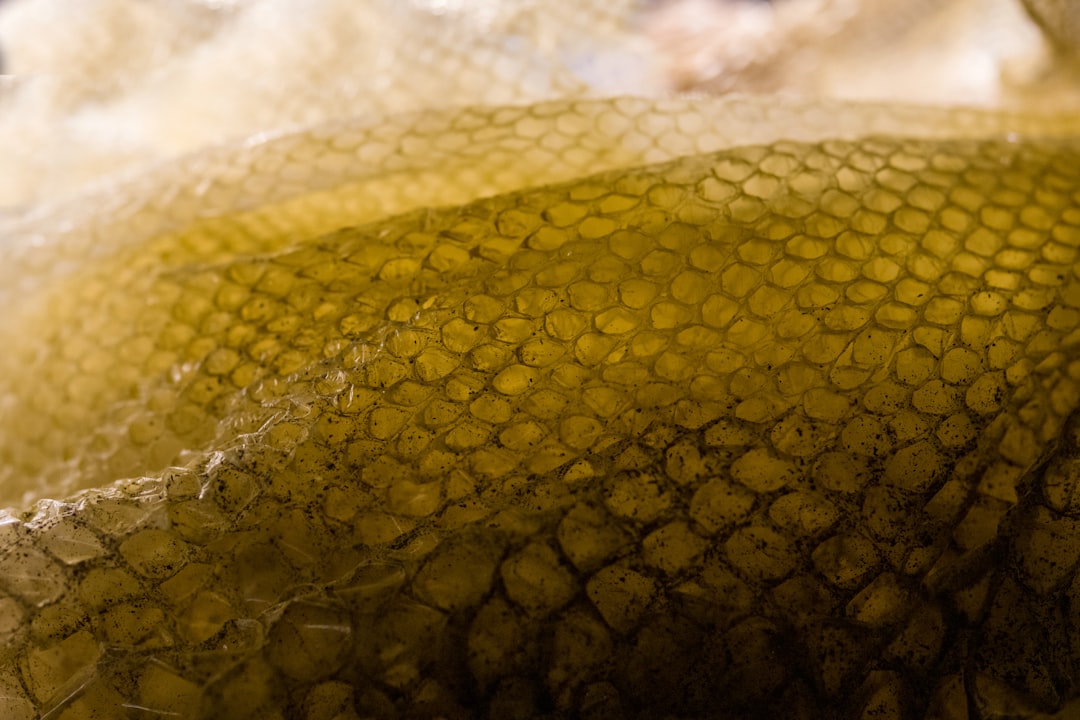
Photo by engin akyurt on Unsplash
How Reptile Shedding Works Physiologically
Unlike mammals, which shed individual cells continuously, reptiles shed their entire epidermal layer at once. As a reptile grows, a new skin layer builds underneath the old one. This inner layer hardens and thickens until it lifts the old layer away. Hormonal signals - controlled primarily by thyroid hormone and influenced by temperature, photoperiod, and nutrition - trigger the actual shedding event. Metabolism accelerates, blood flow to the skin increases, and the old layer separates cleanly from the new one beneath.
Temperature drives this process. Reptiles are ectothermic; their metabolic rate depends entirely on body temperature. A bearded dragon at 75°F will shed much more slowly than one at 95°F. Without adequate basking heat, the old skin won’t separate cleanly; portions stick to the body, particularly on the toes, tail, and eyelids.
Humidity matters differently by species. In arid-climate reptiles like bearded dragons and leopard geckos, moderate humidity (30–40%) allows the old skin to loosen without weakening the new skin underneath. In tropical species like crested geckos, higher humidity (60–80%) keeps shed skin flexible and prevents it from adhering. If humidity is wrong in either direction, the shed won’t separate evenly and pieces will stick.
The entire process takes 5–14 days depending on species and conditions. During this window, vision is compromised by the cloudy eye cap and appetite drops - completely normal behaviors that should resolve on their own once the shed completes.
Species-Specific Shedding Cycles
Juvenile reptiles shed much more frequently than adults due to rapid growth. A young corn snake might shed every 5–10 days; an adult every 4–8 weeks. Temperature, feeding frequency, and growth rate influence the interval.
| Species | Adult Shed Frequency | Temperature (Warm Side) | Humidity During Shed | Special Notes |
|---|---|---|---|---|
| Crested Gecko | Every 4–8 weeks | 72–78°F | 60–80% | Eats shed; needs soft surfaces; most reliable |
| Ball Python | Every 4–8 weeks | 88–92°F | 50–65% | Often sheds in pieces; humid hide helps |
| Bearded Dragon | Every 4–12 weeks | 95–110°F | 30–40% | Hates excess humidity; rarely eats shed |
| Leopard Gecko | Every 4–8 weeks | 85–90°F | 30–40% | Eats shed; hardy; arid-adapted |
| Corn Snake | Every 4–8 weeks | 85–90°F | 40–60% | Moderate humidity; rarely problematic |
| Green Tree Python | Every 4–6 weeks | 82–88°F | 60–75% | Tropical; high humidity non-negotiable |
Temperature and humidity are linked variables. A ball python at 78°F will shed differently than one at 92°F, even at identical humidity. Species-specific husbandry matches their natural climate as closely as possible.
Creating Optimal Shed Conditions
The critical principle: proper shedding depends on matching temperature and humidity to the animal’s natural climate. Temperature drives metabolism and ecdysis. Humidity ensures the old skin separates cleanly. For authoritative guidance on reptile environmental requirements, consult the Association of Reptilian and Amphibian Veterinarians (ARAV) or the Herpetological Medical and Educational Information Partnership (HEMI).
For arid-habitat species (bearded dragons, leopard geckos, corn snakes), the common mistake is raising humidity during stuck shed. This often backfires. Maintain normal humidity and ensure basking temperature is adequate. A bearded dragon at 95–105°F will shed far more successfully than one at 80°F, regardless of humidity tweaks. Use an Inkbird reptile thermostat with temperature probe to monitor accurate warm-side temperatures.
For tropical species (crested geckos, green tree pythons), humidity is limiting. A crested gecko at 50% humidity will struggle to shed cleanly; at 70% it likely will. For these species, use consistent, high humidity via misting, water features, or enclosure design. An Exo Terra Gecko Cave filled with moist sphagnum moss provides a 24/7 microclimate.
Environmental setup starts before shedding begins. You need textured surfaces (cork bark, branches, mopani wood, live plants) for rubbing - smooth tile won’t work. Hides must be present in both warm and cool zones. During shedding, reptiles spend more time hidden because vision is compromised. Provide a humid hide for species that benefit from it. Ensure standing water or a shallow soaking bowl; many reptiles will soak during shedding to hydrate and loosen stuck shed.
Skip feeding during the shedding phase. A cloudy eye means reduced vision; the reptile may regurgitate. Resume feeding once shedding completes and appetite returns.
When you see pre-shed signs (cloudy eye caps, dull coloration, reduced appetite), follow this sequence:
-
Increase basking temperature to the upper range for 5–14 days (bearded dragon: 100–105°F; ball python: 90–92°F; crested gecko: 76–78°F). Use a thermostat with a probe; don’t guess.
-
Adjust humidity to species requirements. Tropical species: increase misting to 4× daily or use an automatic mister. Arid species: maintain normal range.
-
Offer water access. Arboreal species should have water on leaves or a shallow bowl. Semi-aquatic and terrestrial species need a bowl they can enter.
-
Fast during shedding. Skip feeding until the shed completes and the reptile eats on its own (typically 7–10 days).
-
Provide rubbing surfaces. Cork bark, branches, mopani wood, or live plants positioned where the reptile can rub. Arboreal species need branches at angles.
-
Monitor for retained shed. Check toes, eye caps, tail, and cloacal area daily. If stuck shed persists beyond soaking, consult a reptile veterinarian.
-
Resume normal feeding once shedding is complete and the reptile has eaten.
-
Document the shed. Note date, duration, and completeness. Over time, you’ll predict sheds and adjust conditions proactively.
Nutrition and Supplementation
Nutrition directly influences skin quality and shedding outcomes. Vitamin A is critical - deficiency causes poor shedding, swollen eyes, and bumpy skin. Dust live prey with Zoo Med Reptivite vitamins with D3 at least twice weekly. For rodent-fed snakes, ensure frozen-thawed prey was itself fed a complete diet before freezing.
Vitamin D3 and calcium support muscle contractions during shedding. Use a calcium supplement with D3 two to three times per week.
Hydration also supports shedding. A dehydrated reptile’s skin won’t shed cleanly. Offer a water bowl; many reptiles will drink if given the opportunity. Insects have high water content; rodents less so.
A complete, varied diet of appropriately-sized prey ensures adequate macronutrients for healthy shedding.
Common Shedding Problems
Stuck shed on toes, tail, or eyelids is almost always from insufficient humidity or inadequate temperature. Arid-species keepers sometimes assume their species is fine with low humidity year-round - it is, except during shedding. A bearded dragon at 25% humidity will shed poorly; raise to 35–40% during shedding. Tropical species at 50% humidity need 65–80%.
Fix: Soak the animal in 85–90°F water for 15–20 minutes, then gently rub with a damp cloth. Do not force shed skin off; you can tear new skin underneath. After soaking, place the animal in its humid hide. In most cases, gentle soaking combined with high humidity over 24 hours allows natural completion.
Stuck eye caps are more urgent. If an eye cap isn’t shed within 2–3 weeks after the rest of shedding, seek veterinary help. Do not attempt to remove it yourself - you can ulcerate the eye.
Patchy or incomplete shedding indicates poor overall conditions. Review temperature (use a probe - the most common culprit), humidity, and nutrition. A malnourished reptile sheds poorly; ensure appropriate prey size/frequency and dust with multivitamin at least twice weekly.
Frequent stuck sheds despite correct conditions might indicate vitamin A deficiency or underlying illness. Vitamin A deficiency impairs skin quality. Respiratory infections also impair shedding coordination. If conditions are correct but shedding remains problematic, consult a reptile veterinarian.
Monitoring and Documenting Your Reptile’s Shed Cycle
Creating a shed log transforms guesswork into predictable data. Track three columns: the date shedding starts, how many days it takes to complete, and a completeness rating from 1 (patchy, incomplete) to 5 (fully shed in one piece). Over time, you’ll see clear patterns - most healthy reptiles shed every 4–12 weeks depending on species and age - and you’ll catch deviations immediately.
Why this matters: healthy sheds follow a rhythm. If your gecko’s interval suddenly stretches from 6 weeks to 10, or if completeness drops from 5 to 2, something has changed. Temperature drift is the first suspect. Reptiles rely on precise thermal gradients to loosen and shed skin properly. Illness, nutritional deficits (especially calcium and vitamin A), or dehydration all compress the cycle or leave patches behind.
A simple spreadsheet or notes app works fine, but pairing your log with environmental data accelerates diagnosis. A Govee Bluetooth Thermometer Hygrometer automatically logs temperature and humidity every few minutes. When you notice a shed quality decline, you can pull your thermostat or probe history for those exact dates. Did basking temps drop? Did humidity spike? These answers point directly to the fix.
Cross-referencing is where real understanding happens. You spot that shedding stretched to 8 days during the week your enclosure’s heat tape ran cool, or completeness plummeted after you switched feeders. These correlations let you adjust husbandry before problems compound.
Start logging today, even if you only track the last month. Within 3–4 cycles, your reptile’s baseline will be obvious, and any future deviation becomes a reliable early warning. This simple habit catches respiratory infections, vitamin deficiencies, and environmental problems weeks before they show up elsewhere.
When to Contact a Reptile Veterinarian
Most shedding problems resolve with husbandry adjustments. A few require professional intervention. Knowing the line prevents both under-treatment and unnecessary panic.
Retained eye caps are the clearest escalation trigger. Eye caps that remain after the rest of shedding appears complete should be monitored for 1–2 weeks. If they still haven’t shed, see a reptile vet. Attempting removal yourself risks corneal ulceration - the eye cap can tear the new skin underneath if you pull too early or at the wrong angle. A vet uses specialized tools and lubricants for safe removal.
Multiple consecutive poor sheds despite correct husbandry warrant a checkup. If you’ve fixed temperature, humidity, and nutrition and the shed quality still scores 1–2 on three consecutive cycles, an underlying issue is likely: respiratory infection, internal parasites, or early metabolic bone disease. These conditions impair skin quality before other symptoms appear.
Retained shed on tail tips or toe pads that persists after soaking can cut off circulation if left too long. A day or two of warm soaking with Fluker’s Repta-Rinse Reptile Wash is appropriate first aid. If the tissue looks discolored, swollen, or hardened, or if the stuck shed doesn’t loosen after 48 hours, see a vet. Tissue necrosis progresses quickly in digits.
Bleeding or raw skin after shedding means the new layer was damaged during the process. Keep the wound clean and consult a reptile vet promptly - bacterial infection in exposed skin advances fast.
Find a reptile-specialist vet before you need one. The Association of Reptilian and Amphibian Veterinarians (ARAV) maintains a veterinarian directory organized by region.
Frequently Asked Questions
Q: Why does my reptile stop eating during shedding?
A: Reduced appetite is completely normal. Vision is compromised by the cloudy eye cap, making it harder to locate prey. The shedding process is metabolically taxing. Don’t force feeding; it causes regurgitation. Once the shed completes and eye caps clear, appetite returns within a day or two. If appetite doesn’t return within 3–4 days after the shed is complete, investigate temperature, enclosure setup, or underlying illness.
Q: My crested gecko hasn’t shed in 12 weeks. What’s wrong?
A: Crested geckos should shed every 4–8 weeks. Lack of shedding suggests inadequate temperature (verify with a probe; they need 72–78°F), insufficient humidity (below 60% slows shedding), or inadequate nutrition (feed live prey more frequently, not just powdered mix). Increase any of these and the reptile should shed within 2–4 weeks.
Q: How do I know if stuck shed needs veterinary attention?
A: Toe or tail tip stuck shed often resolves with soaking and humidity adjustments over 24 hours. Stuck eye caps should be seen by a vet if they don’t shed within 2–3 weeks - they prevent proper vision and can ulcerate the eye. Retained cloaca shed can also require professional removal. When in doubt, contact a reptile veterinarian rather than attempting removal yourself.
Conclusion
Reptile shedding is less mysterious once you understand it’s driven by three linked variables: temperature, humidity, and nutrition. Get all three right for your species, and shedding happens reliably and without complication. A crested gecko at 76°F and 70% humidity, fed well, will shed perfectly every 5–8 weeks. A bearded dragon at 105°F, 35% humidity, and consistent feeding will shed cleanly every 4–12 weeks.
The real skill is matching those variables to your species’ natural environment, then holding them steady. Don’t tweak every time you notice pre-shed; anticipate sheds based on your documented pattern. Monitor temperature and humidity with probes, not guesses. A crested gecko that sheds cleanly every 5–7 weeks at 75°F and 70% humidity is telling you the setup is dialed in - that’s the baseline you’re aiming to replicate consistently. When you get these fundamentals right, you stop managing shedding and start watching it happen naturally.
What’s your reptile’s shedding pattern? Drop a note in the comments if you’re troubleshooting stuck shed - community experience is invaluable.
Related Reading
For deeper context on reptile care, check out How to Choose the Right UVB Bulb for Any Reptile and Bioactive Substrate 101: Custodians, Drainage, and Plant Choices.