Best Crested Gecko Starter Kits: What's in the Box and What to Add
This post contains affiliate links. As an Amazon Associate, I earn from qualifying purchases at no extra cost to you.
Crested geckos have earned their reputation as one of the most beginner-friendly reptiles you can keep. They tolerate handling well, thrive at room temperature in most homes, and do not require the complex heating setups that overwhelm new reptile keepers. But “beginner-friendly” does not mean “setup-free.” Before your gecko arrives, you need a complete, properly configured enclosure with the right humidity, lighting, and substrate. Skipping any of those elements puts your animal at risk from day one.
Starter kits are designed to solve that problem by bundling the core components into a single purchase. The question is whether the kit actually delivers what a crested gecko needs or whether it was built around a generic reptile template that leaves you filling gaps. The answer varies considerably across kits. Before you evaluate any specific enclosure, pick up a digital thermometer and hygrometer combo for under $15. Monitoring temperature and humidity accurately is non-negotiable regardless of which kit you choose, and the analog gauges that ship with most starter sets are simply not precise enough for crested gecko care.
Crested geckos need ambient temperatures between 65 and 80 degrees Fahrenheit, with 72 to 75 degrees as the ideal range for long-term health. Humidity should sit between 60 and 80 percent during the day, with nighttime spikes up to 100 percent after misting. Any kit you consider needs to support those parameters without workarounds. This guide breaks down the top starter kits on the market, tells you exactly what is included in each, and walks you through what you will still need to add before your gecko moves in.
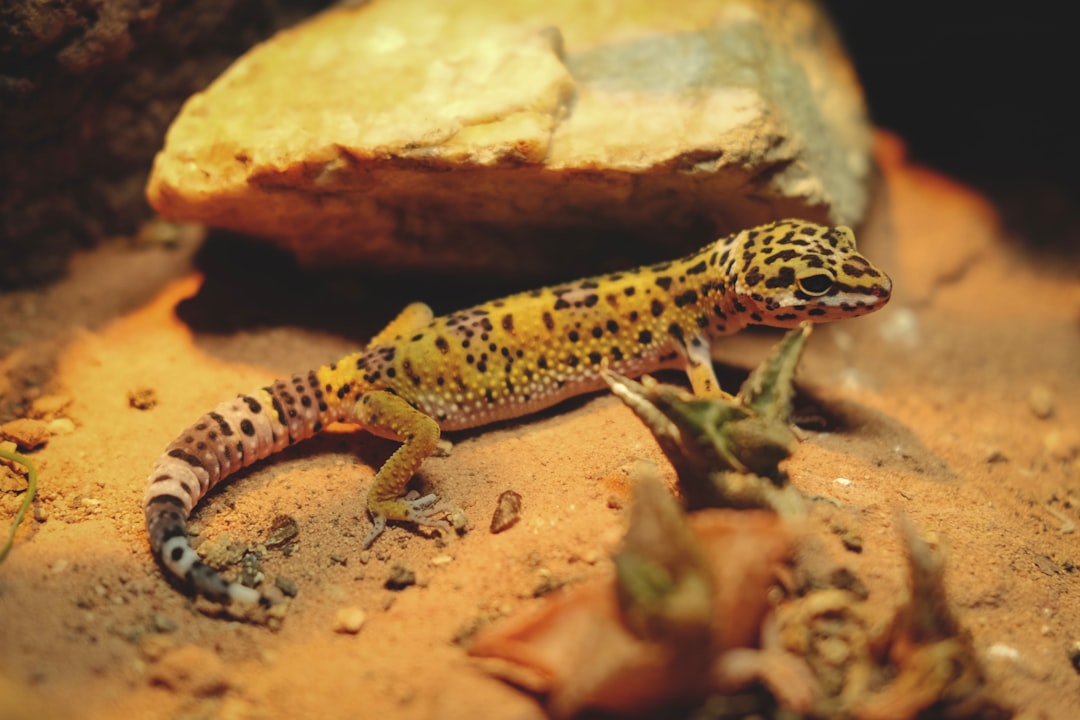 Photo by Laura Cleffmann on Unsplash
What to Look for in a Crested Gecko Starter Kit
Not every reptile starter kit is built with crested geckos in mind. Many are marketed toward desert species or hatchling setups that do not scale well for an adult animal. Before you evaluate any specific product, you need to understand what the minimum viable setup looks like for this species.
Enclosure size and vertical orientation. Adult crested geckos are arboreal and need at minimum an 18x18x24 inch vertical enclosure. Smaller “starter” tanks are fine for hatchlings under 10 grams, but any 10-gallon horizontal aquarium should only be used as a temporary juvenile setup.
Front-opening doors. Top-opening enclosures stress arboreal reptiles because predators in nature approach from above. Front-opening doors reduce the flight response during handling and accelerate the taming process.
Ventilation design. Crested geckos need adequate airflow to prevent stagnant, overly saturated conditions that lead to respiratory infections. Look for enclosures with mesh panels on at least two sides for ideal airflow.
Lighting compatibility. While crested geckos are crepuscular and don’t require intense UVB, research suggests that low-level UVB exposure in the 2.0 to 5.0 range provides measurable health benefits. According to the ReptiFiles crested gecko care guide, they benefit from a UV gradient that allows self-regulation. Verify any included bulb output and placement distance.
Substrate. Coconut fiber, bioactive soil mixes, and organic topsoil blends are appropriate for crested geckos. Avoid sand, reptile carpet, or paper towels. You need at least 3 to 4 inches of depth to retain moisture and support thermoregulation.
Heating compatibility. Check that any included heating elements are appropriate for the 65 to 80 degree ambient range and don’t trap heat near the top where your gecko will spend most of its time.
The Three Best Crested Gecko Starter Kits
Here is a direct comparison of the three strongest options for new keepers:
| Kit | Enclosure Size | Front-Opening | UVB | Best For |
|---|---|---|---|---|
| Exo Terra PT3778 | 36x18x18 in | Yes | No | Premium enclosure builders |
| REPTI ZOO 40 Gallon | 36x18x18 in | Yes | No | Large, front-opening quality |
| Zoo Med Starter Kit | 10 gallon | Top | Yes | Hatchlings only; upgrade within 6 months |
The Exo Terra Glass Terrarium Kit at 36x18x18 is the most complete out-of-the-box option. It includes the terrarium with front-opening doors, foam background, coconut fiber substrate, thermometer, and water dish. The dual ventilation system with closable inlets gives you solid airflow control. The Exo Terra design is trusted by experienced keepers and breeders.
The Zoo Med Reptile Starter Kit is the most affordable option. It includes a 10-gallon enclosure with a screen top, ReptiSun 5.0 UVB bulb, lamp fixture, heat lamp, analog thermometer, water dish, and substrate sample. The critical caveat: this is suitable only for hatchlings under 10 grams for no more than six months. If adopting a hatchling and minimizing costs while learning, this is reasonable. For sub-adults or adults, invest in a larger vertical enclosure from day one.
What’s Included in Each Kit
Exo Terra Glass Terrarium Kit 36x18x18
The Exo Terra includes the terrarium with dual ventilation, foam background, coconut fiber substrate, dial thermometer, and water dish. The closable front inlets let you fine-tune airflow for your climate. The substrate included is a starting amount; you’ll need 2-3 additional bags to achieve the required 3-4 inch depth. No lighting fixture included.
Zoo Med Reptile Starter Kit
Includes the 10-gallon terrarium, ReptiSun 5.0 UVB bulb, lamp fixture, low-wattage heat lamp, analog thermometer, water dish, and substrate sample. The ReptiSun 5.0 is appropriate for crested geckos and provides real UV benefit. Limitations: the fixture doesn’t accommodate longer T5 bulbs, and the 10-gallon tank constrains bulb placement. Despite these, the kit teaches fundamentals and the UVB bulb can be repurposed later.
What You’ll Need to Add to Any Starter Kit
Digital thermometer and hygrometer (all kits). A digital combo unit with remote probe gives reliable readings. Target 72–75°F during the day. If your home drops below 65°F at night, you’ll need a low-wattage heat source on a thermostat. If it climbs above 80°F in summer, plan active cooling, as heat stress above 82–85°F can be fatal within hours.
UVB lighting (Exo Terra). The Exo Terra lacks a light fixture. Get a T5 HO UVB bulb in the 5.0–6% range paired with a reflective fixture spanning the enclosure length. Position 10–14 inches above the basking zone and ensure shaded areas for self-regulation.
Substrate. You’ll need coconut fiber coir, bioactive soil, or organic topsoil to fill your enclosure to 3–4 inches. Pangea Reptile care resources include substrate recommendations from breeders with documented outcomes.
Hides and climbing decor. Crested geckos need at least two hides at different heights. Cork bark, magnetic ledges, branches, and bamboo poles work well. Pothos, heartleaf philodendron, and bromeliads are non-toxic and thrive under terrarium lighting.
Food and feeding. Meal replacement powder (Pangea Fruit Mix or Repashy) is the dietary backbone. Use plastic feeding cups or magnetic feeding stations at mid-height to keep food off substrate. You’ll need a fine-mist spray bottle for daily or every-other-day misting.
Water management. A manual spray bottle works for single enclosures. For multiple tanks or dry climates, automatic misting systems on timers deliver more consistent humidity control.
Setting Up Your Crested Gecko Enclosure: Quick Steps
-
Clean and cure. Wipe down interior surfaces with a reptile-safe disinfectant or 10% bleach solution. Rinse thoroughly and air dry completely.
-
Add substrate. Install any foam background per manufacturer instructions. Fill enclosure to 3–4 inches with moistened coconut fiber or bioactive soil. Substrate should hold its shape but not drip.
-
Hides and decor. Position one hide low in the cooler zone and another mid-height in the warmer zone. Secure branches, cork, and bamboo so they won’t fall.
-
Install lighting. Mount UVB fixture 10–14 inches above basking points. Ensure shaded areas are available for self-regulation.
-
Temperature monitoring. Place digital thermometer at mid-height on the cooler side. Stabilize setup for 24–48 hours and confirm 72–75°F during warmest part of day.
-
Food, water, mist. Add feeding cup with meal replacement powder at mid-level. Place water dish near ground level. Mist thoroughly, then allow partial dry-down to 60–80% humidity.
-
Introduce gecko. Place gecko in enclosure and leave undisturbed for 72 hours minimum. Check food and water from outside the enclosure only.
Common Mistakes New Crested Gecko Keepers Make
Choosing a horizontal 10-gallon for sub-adults or adults. This is the single most common mistake. A 10-gallon tank doesn’t meet the vertical orientation needs of crested geckos past the hatchling stage. They are obligate climbers and need vertical space to thermoregulate, display natural behaviors, and exercise. Undersized enclosures lead to higher stress, defensive handling behavior, and poorer health. Starting with the right enclosure is more economical than upgrading later.
Underestimating the upper temperature limit. Crested geckos have critically low upper tolerance. Temperatures above 82–85°F cause rapid thermal stress and can kill within hours. If your home reaches 78–80°F in summer, focus on cooling rather than heating. A small fan or air-conditioned room can be crucial during heat waves.
Keeping humidity at 100% around the clock. New keepers sometimes treat “humidity up to 100%” as a target rather than a nighttime spike. Constant 100% humidity promotes bacterial and fungal growth, respiratory infections, and shedding problems. The correct approach is a wet-dry cycle: mist heavily in evening, allow 60–80% during day, and mist again.
Insufficient substrate depth. Most starter kits include only enough substrate to cover the floor, not the required 3–4 inches. Thin substrate dries too quickly and fails to provide thermal gradients. You’ll need to supplement with additional coconut fiber or bioactive soil.
Skipping the digital thermometer and hygrometer. Analog instruments can mislead by 5–10°F for temperature and 10–15% for humidity. When your gecko approaches the 80°F danger threshold, you need accurate data immediately.
Handling immediately after arrival. Handling a newly arrived gecko before acclimation sets back taming. A stressed gecko will drop its tail (which doesn’t regenerate like leopard gecko tails). Give at least 72 hours of undisturbed acclimation.
Relying on insects as primary diet. Meal replacement powder is the dietary backbone. Insects are supplements only. Keepers who skip MRP see poorer growth, metabolic bone disease, and shorter lifespans.
Frequently Asked Questions
Do crested geckos actually need UVB lighting, or is it optional?
This question generates consistent debate in the crested gecko community, and the answer has shifted significantly over the past decade as keeper data and veterinary research have accumulated. The short answer is that low-level UVB is beneficial and increasingly well-supported by evidence, even though crested geckos can survive without it. Crested geckos are crepuscular animals that are most active at dawn and dusk, periods when UV index levels are relatively low in their native New Caledonian habitat. In captivity, UVB supplementation in the 2.0 to 5.0 range has been associated with improved D3 synthesis, better calcium metabolism, and more active behavioral profiles. The key is proportionality. A ReptiSun 5.0 compact fluorescent or a T5 HO 6 percent UVB bulb positioned 10 to 14 inches from the basking area on a 10 to 12 hour light cycle gives your gecko meaningful UV exposure without overwhelming a species that naturally avoids peak sunlight hours. Shaded areas in the enclosure must always be available so your gecko can self-regulate. If you choose the Zoo Med Starter Kit, the included ReptiSun 5.0 is appropriate for this purpose and can be repurposed in a larger enclosure later.
How long can a juvenile crested gecko stay in a 10-gallon enclosure before needing an upgrade?
A juvenile crested gecko under 10 grams can live comfortably in a 10-gallon enclosure for approximately three to six months, depending on growth rate. Once your gecko reaches 10 to 15 grams in weight, transitioning to a larger enclosure becomes urgent. The enclosure minimum for a juvenile over 15 grams is an 18x18x24 inch vertical terrarium. Adult crested geckos, which reach 35 to 55 grams at full size, require at least a 36x18x18 or 18x18x36 inch vertical enclosure for adequate living space and proper thermoregulation. If you adopt from a breeder and your gecko is already past the hatchling stage, you should budget for the larger enclosure from the beginning. The cost difference between a temporary 10-gallon setup and a permanent adult enclosure means that buying twice costs more than buying correctly the first time. Both the REPTI ZOO 40 Gallon and the Exo Terra 36x18x18 will comfortably house an adult crested gecko for its full lifespan of 15 to 20 years with proper care.
What is the single most important thing to add to any crested gecko starter kit?
Across all three kits reviewed here, the most important universal add-on is an accurate digital thermometer and hygrometer. Without reliable real-time data on temperature and humidity, every other husbandry decision becomes guesswork. Crested geckos die from heat stress at temperatures that feel unremarkably warm to a human sitting in the same room. They develop respiratory infections and shed problems from chronic humidity mismanagement. A digital combo unit with a remote probe placed at mid-enclosure height gives you the data foundation that all other care decisions depend on. The cost is under $20 and the impact is immediate. After temperature and humidity monitoring, the next priority is proper substrate depth. The sample quantities included in most kits are insufficient for a full enclosure fill, and thin substrate directly undermines your ability to maintain the 60 to 80 percent daytime humidity range your gecko requires. Budget for additional coconut fiber or a bioactive soil blend alongside whichever kit you choose, and your setup will be dramatically more stable from the first day.
Conclusion
A crested gecko starter kit is a useful foundation, but none of the available options ship as a complete, ready-to-use setup. The REPTI ZOO 40 Gallon gives you a large, premium enclosure to build your ideal setup around. The Exo Terra Glass Terrarium Kit comes closest to a complete package with its included accessories and thoughtful dual-ventilation design. The Zoo Med Reptile Starter Kit is a legitimate entry point for a hatchling gecko on a strict budget, with the clear and non-negotiable understanding that you will upgrade the enclosure within six months. For long-term success with any of these kits, you’ll need a digital thermometer and hygrometer, adequate substrate depth, a low-level UVB light source, quality meal replacement powder, and enough vertical decor and climbing structure to let your crested gecko behave like the arboreal animal it is.
If you are ready to set up your first crested gecko enclosure, start with the Exo Terra or REPTI ZOO kit and build from there.
- Leopard Gecko Care Guide for Beginners - New to gecko keeping altogether? Our beginner leopard gecko care guide covers foundational husbandry principles that apply across gecko species and helps you understand how crested gecko care compares to other popular beginner geckos.
- Best Leopard Gecko Enclosures and Heating Setups - Comparing enclosure and heating options across gecko species gives you a clearer picture of how different animals require fundamentally different setups, and what to look for when evaluating any reptile enclosure purchase.
About the Author
The Scaled Keeper team researches reptile husbandry with a focus on gecko and lizard care. Our guides synthesize keeper community data, veterinary sources, and documented husbandry outcomes - so you can make informed decisions for your animals.
</div>
Enjoyed this guide? Bookmark it for later or share it with a friend who might find it useful.