Crested gecko vs. gargoyle gecko: which is right for you?
This post contains affiliate links. As an Amazon Associate, I earn from qualifying purchases at no extra cost to you.
If you’re shopping for a New Caledonian gecko and you’ve narrowed it down to crested or gargoyle, you’re making a smart choice - both species are hardy, visually striking, and suitable for intermediate keepers. But they’re not interchangeable, and picking the wrong one leads to frustration, higher costs, and a gecko that doesn’t thrive in your specific circumstances.
The difference lies in three places: care complexity, handling tolerance, and long-term cost. This guide walks through the practical tradeoffs so you can decide based on your actual time, budget, and experience level rather than aesthetics alone. You’ll end this guide knowing not just the differences, but which species matches your keeper profile.
Most beginners pick based on looks. Crested geckos have that iconic crest and come in more color varieties. They look like tiny dinosaurs with a mohawk. Gargoyles are bizarre and alien-looking, which appeals to advanced keepers - they look like something from a fantasy novel, with warty skin and a grumpy expression. The aesthetics matter, obviously. But the real differences are in husbandry - and one species is genuinely easier than the other if you’re starting out.
Here’s the brutal truth: if you pick the wrong one, you’ll spend twice as much money, four times the stress, and your gecko will show worse health and behavior. It’s worth 10 minutes to make the right call now rather than 2 years of regret later.
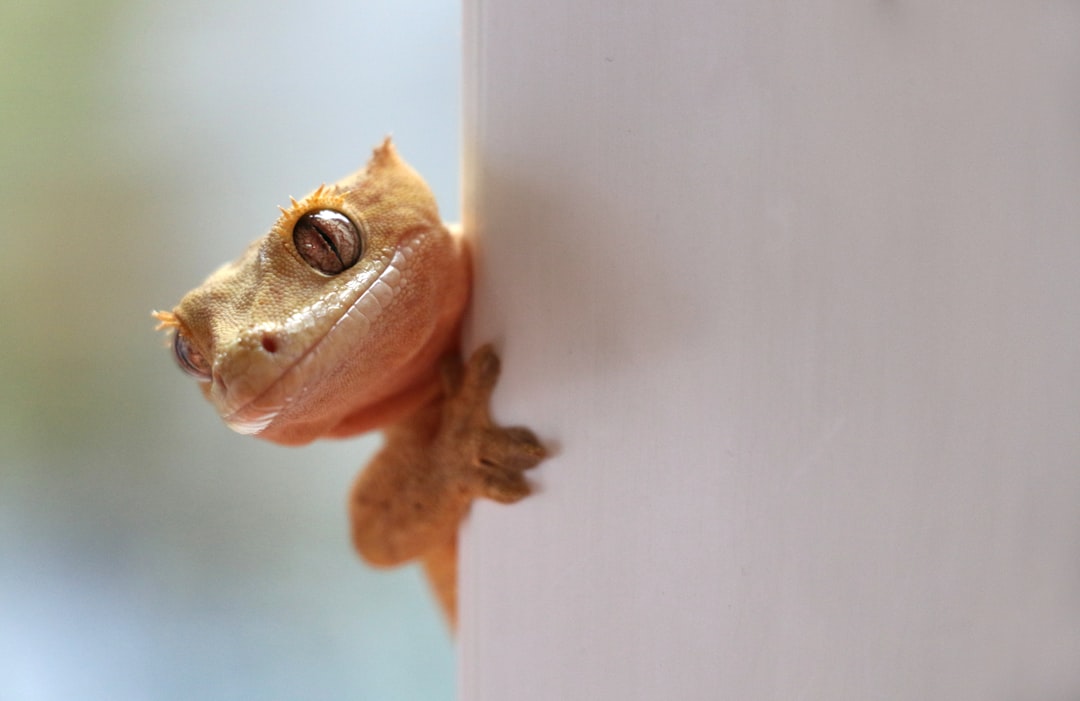
Photo by Pierre Bamin on Unsplash
Quick Comparison: Crested vs. Gargoyle at a Glance
| Feature | Crested Gecko | Gargoyle Gecko |
|---|---|---|
| Size | 6–10 inches | 8–10 inches |
| Lifespan | 10–20 years | 10–15 years |
| Temperament | Docile, tolerate handling | Aggressive, rarely handle |
| Care complexity | Beginner to intermediate | Intermediate to advanced |
| Humidity | 70–90% | 60–80% |
| Temperature | 68–74°F | 70–75°F |
| Feeding | Fruit diet + insects | Fruit diet + insects (more demanding) |
| Initial setup cost | $300–500 | $400–600 |
| Annual food cost | $80–120 | $120–180 |
| Availability | Abundant; easy to find captive-bred | Less common; longer sourcing time |
| Handing tolerance | Calm, can be tamed | Defensive, tail-drops, bites rarely |
| Enclosure size | 20+ gallons vertical | 20+ gallons vertical |
Verdict so far: Crested geckos are easier, more handleable, and cheaper to maintain. Gargoyles are more challenging and reward advanced keepers who want a more “wild” animal. Pick crested if this is your first gecko; pick gargoyle if you’ve kept crested geckos successfully and want to try something harder.
Care Requirements: Daily Commitment, Humidity, and Temperature
Both species need identical enclosure types: tall, vertical, 20-gallon minimum with branches and foliage. Detailed specifications for both species are documented in authoritative resources like the Reptile Database, a comprehensive scientific reference on reptile husbandry. But the day-to-day demands diverge.
Crested Geckos: Straightforward
Crested geckos eat a fruit-based powdered diet (Pangea, Repashy) mixed with water into a paste. Add insects 2–3 times per week. Spray the enclosure nightly for humidity. That’s it. Most keepers handle them gently 1–2 times per week, and the geckos remain calm. A crested gecko diet is predictable and affordable. You pick one powder brand, stock it in bulk, and go. Pangea Fruit Mix Complete Diet is the foundation of the feeding routine; pick one brand, stock it in bulk, and you’re set.
Crested geckos tolerate brief dry periods (12–24 hours). If you miss a night of misting, they’re fine. Their enclosure can drop to 60% humidity for a day without consequence. They thrive in 70–72°F, and a room that’s naturally cool (68°F) is ideal for them.
Gargoyle Geckos: More Demanding
Gargoyles are pickier. They need higher variety in the fruit diet - many keepers have to experiment with multiple brands before the gecko accepts it consistently. Some gargoyles refuse prepared diets entirely and demand live insects or fresh fruit. Feeding insects is much more labor-intensive than scooping powder, and it’s more expensive.
Gargoyles are also far more aggressive. You won’t handle them regularly, and attempting to do so triggers tail-dropping and defensive striking. A reliable Inkbird ITC308 thermostat and a automatic reptile misting system are critical for gargoyles - improvising with temperature and humidity control often fails because they’re too sensitive to error.
Gargoyles become stressed and stop eating if humidity drops below 65% for more than a few hours. They also dehydrate faster, so misting must be consistent and nightly. If you travel or rely on erratic misting, gargoyles suffer. They prefer slightly warmer conditions (72–75°F), and a naturally cool room is marginal for gargoyles - you’d need a ceramic heat emitter or under-tank heat tape, adding cost and complexity.
A Hygrometer and Thermometer Combo is mandatory for either species. You cannot eyeball humidity accurately. Gargoyle keepers should check it twice daily to ensure stability.
The practical difference: Crested gecko keepers spend 5–10 minutes per day on care. Gargoyle keepers spend 15–25 minutes, and stress levels are higher because mistakes are costly.
Feeding: Complexity and Cost
This is where the real divergence appears.
Crested Gecko Diet
You pick a quality powdered diet (Pangea Fruit Mix or Repashy Day Gecko are standard). Mix with water nightly, place in a shallow dish, replace uneaten portions after 4 hours. Add live insects (crickets, roaches) 2–3 times weekly. Most crested geckos thrive on this for their entire lives. Cost: ~$10–15 per month for powder, plus $5–10 for insects. Total: $15–25/month or $180–300/year.
Gargoyle Gecko Diet
Some gargoyles accept the same powdered diets crested geckos eat. Others refuse them outright. You may have to try 3–4 different brands before finding one the gecko accepts. Some gargoyles demand live insects as the primary food - meaning 3–4 feedings per week instead of occasional supplements.
A gargoyle on a fully live-insect diet (crickets, dubia roaches, grasshoppers) costs $25–40/month in insects alone, plus powder. Total: $40–60/month or $480–720/year. That’s 2–4x the cost of a crested gecko.
Practical implication: If budget is tight, crested geckos are 50% cheaper to feed over their lifetime.
Handling and Temperament
This is the most underrated difference.
Crested Geckos
Most crested geckos are calm. They rarely bite, tolerate gentle handling, and can be “tamed” to some degree with consistent interaction. A keeper can hold a crested gecko 1–2 times per week without causing permanent stress. Some keepers report their geckos actively crawl onto their hand. They’re social in the sense that they don’t panic around humans.
Gargoyle Geckos
Gargoyles are solitary, defensive, and - frankly - cranky. They have a strong bite (it hurts), and they use it. They drop their tails in fear or aggression. Repeated handling stresses them, and stress suppresses feeding and breeding. A gargoyle is not a pet you interact with; it’s a pet you observe. If you want to handle your gecko or let children pet it, gargoyles are a poor fit.
Advanced keepers prefer this because it means no stress-induced health issues from over-handling. But for a first gecko, it’s limiting.
Species-Specific Health Considerations
Both species share common issues (respiratory infections, parasites, metabolic bone disease), but each has quirks that keepers should understand.
Crested geckos are prone to:
- Incomplete shedding (especially ears, toes, and the crest itself). This is common when humidity drops below 70% for extended periods. The solution is simple: increase humidity and mist more frequently. Stuck shed on toes or ears can lead to necrosis if left for weeks, so assist by misting the problem area heavily and gently helping the shed peel off with tweezers.
- Calcium deficiency if insects aren’t offered regularly. Calcium is stored in insects; powdered diet alone isn’t sufficient. Lacking calcium, the gecko develops metabolic bone disease (soft bones, trouble moving, eventual paralysis). Prevention is easy: feed insects 2–3 times per week. Treating MBD is hard and often fails.
- URI (upper respiratory infection) from overcrowded breeding facilities (less common now with improved captive breeding). Stress and low humidity both suppress immune function. A crested gecko with nasal discharge, labored breathing, or lethargy needs immediate vet care.
Gargoyles are prone to:
- Feeding refusal from stress or diet mismatch (possibly genetic pickiness). Some gargoyles simply refuse powdered diet and will starve rather than eat it. You may have to offer live insects exclusively, which is labor-intensive and expensive. There’s no “cure”—some geckos are just stubborn feeders. Trial and error with different brands is necessary.
- Parasites (higher in wild-caught individuals; always buy captive-bred to avoid this). Wild-caught gargoyles often harbor nematodes or protozoans that suppress appetite and growth. Captive-bred animals are cleaner, but still get parasites if housed poorly.
- Aggression-related injuries if housed with other geckos (they must be solitary). A single gargoyle in a tank is fine; two gargoyles in a tank results in tail drops, missing toes, and stress-induced illness within days. Solitary housing is non-negotiable.
Veterinary care is critical for both, but critical for different reasons. Both require a herp veterinarian (not a dog/cat vet). Authoritative information on exotic pet health is available through VCA Animal Hospitals and similar veterinary practices specializing in reptile care. Finding one is easier for crested geckos because they’re common and many exotic vets see them regularly. Finding one for gargoyles is harder because they’re less common. Before buying a gargoyle, consult the ARAV (Association of Reptile and Amphibian Veterinarians) directory to find a vet nearby who has treated them. Call and ask - if they haven’t seen one in 5 years, that vet isn’t your backup plan.
Crested gecko-savvy vets are much easier to find (Google “reptile vet near me” and look at reviews). This is another reason gargoyles carry more risk - backup expertise is harder to access.
How to Choose: Decision Framework and Cost Considerations
Making the right choice comes down to answering these questions honestly:
-
Is this your first gecko or first reptile? If yes, pick crested gecko. Gargoyles punish learning mistakes. Crested geckos forgive them.
-
How much time can you commit daily? Crested geckos need 5–10 minutes (feeding, misting). Gargoyles need 15–25 minutes. If you’re pressed for time, crested gecko wins.
-
Will you travel or miss daily misting? Crested geckos tolerate missed nights. Gargoyles spiral quickly without consistent humidity. If you travel or have an irregular schedule, crested gecko is the safer bet.
-
Do you want to handle your gecko? Crested geckos tolerate and enjoy it. Gargoyles actively resist it. Handling is a major source of enjoyment for many keepers - know what matters to you.
-
Is your budget flexible or fixed? Crested geckos cost $200–300/year to maintain. Gargoyles cost $400–500/year. Over 15 years, that’s a $2,000+ difference. Budget matters for long-term commitment.
-
Have you successfully kept crested geckos before? If no, start there. If yes and you want to advance, gargoyles are your next step. Progression is wise; jumping in at the deep end is risky.
-
What appeals to you about geckos - the looks or the keeping? If you want a cool-looking pet to observe, gargoyle. If you want a pet you interact with and care for daily, crested gecko.
Cost Breakdown: Initial and Ongoing
Let’s put actual numbers on this.
Crested Gecko Setup (Year 1)
- Enclosure (20-gallon tall, lighting, substrate, branches, foliage): $250–350
- Heating/cooling (if needed): $0–100
- Initial supplies (scale, feeding dish, mister): $40–60
- Gecko (captive-bred): $40–80
- First-year food and supplies: $200
- Total Year 1: $530–790
- Years 2+: $200–300/year
Gargoyle Gecko Setup (Year 1)
- Enclosure: $250–350
- Heating/cooling (often needed): $100–200
- Initial supplies: $50–80
- Gecko (harder to source, often more expensive): $80–150
- First-year food: $300–400
- Total Year 1: $780–1,180
- Years 2+: $400–500/year
A crested gecko costs roughly 60% of a gargoyle over 10 years. If budget is a factor, the math is clear.
Pick a crested gecko if:
- This is your first reptile or first gecko
- You want to handle your pet and teach children about geckos
- You have a tight budget
- Your room temperature runs cool (68–70°F naturally)
- You travel occasionally and can’t mist nightly
- You prefer a predictable, low-stress care routine
Pick a gargoyle gecko if:
- You’ve kept crested geckos and want to advance to a more challenging species
- You have stable humidity and temperature control (70–75°F, consistent)
- You’re interested in breeding (advanced topic)
- You prefer observing to handling
- You’re comfortable with a more defensive, territorial animal
- You want something visually distinct and unusual
Troubleshooting and Common Mistakes
Even well-intentioned keepers make errors that stress or harm their geckos. Here are the most common pitfalls:
Buying From the Wrong Source Never buy from pet stores with poor conditions or unknown breeding practices. Geckos from stress-bred or wild-caught sources arrive ill, stressed, or parasitized. Buy only from reputable captive breeders with documented care practices. Ask for care sheets, feeding history, and health guarantees.
Enclosure Size or Setup A 20-gallon tall is the minimum, not ideal. Vertical space matters more than floor space - geckos are arboreal. Lacking branches, foliage, or hiding spots causes stress and poor feeding. Stock enclosures heavily with safe plants (real or silk) and cork bark.
Humidity Mismanagement Guessing humidity levels kills geckos. Invest in a digital hygrometer ($10–20). For crested geckos, maintain 70–90%. For gargoyles, maintain 60–80% minimum (ideally 70–80%). Night misting is non-negotiable. Daytime humidity can drop slightly, but overnight must be high.
Temperature Extremes Heat over 78°F and cold under 65°F both suppress feeding and trigger URI. Use a thermostat to control ceramic heat emitters. A room that naturally stays 68–74°F is ideal; avoid placing enclosures in direct sunlight or near heating vents.
Wrong Diet or Feeding Schedule For crested geckos, don’t skip insects 2–3 times weekly - they provide irreplaceable calcium. For gargoyles, don’t assume they’ll eat a powdered diet without trial and error. Some gargoyles need 50%+ live insects. Poor diet leads to metabolic bone disease, which is expensive and often fatal.
Delayed Vet Care Don’t wait to see a vet “and see if it gets better.” URIs, feeding refusal lasting more than 2 weeks, and incomplete shedding require immediate assessment. Herp vets are specialists - a dog/cat vet won’t help.
Over-Handling Gargoyles Gargoyles are not crested geckos. Handling stresses them, suppresses feeding, and triggers tail-drops. Handle only for necessary health checks or enclosure cleaning. Respect their defensive nature - it’s not a flaw, it’s their biology.
Inconsistent Care During Travel Gargoyles especially suffer if misting is missed for 2+ days. Arrange auto-misters, recruit a caregiver, or wait to buy until you can guarantee daily misting. Don’t adopt a gecko you can’t commit to.
Frequently Asked Questions
Q: Can you keep crested and gargoyle geckos in the same enclosure?
A: Absolutely not. Both species are solitary and territorial. Housing them together causes stress, aggression, feeding refusal, and injury. Always house geckos individually in separate enclosures.
Q: Which species lives longer?
A: Crested geckos average 10–20 years (often living to 15+). Gargoyles average 10–15 years. With excellent care, both can reach their upper range. The difference isn’t significant; expect a 12–15 year commitment either way.
Q: Are gargoyles more aggressive because they’re wild-caught?
A: No. Even captive-bred gargoyles are territorial and defensive by nature. Wild-caught animals (which you should never buy) are even worse. Aggression isn’t learned; it’s biological.
Q: Can crested geckos live in less humid environments?
A: Not ideally. Below 70% humidity, crested geckos become stressed and stop eating. If your home is dry (desert climate), maintaining 70%+ humidity requires consistent misting or a humidifier. A gargoyle tolerates 60–65% for short periods but also prefers higher humidity.
Q: Which gecko is better for a child to watch?
A: Crested geckos. They’re active, tolerate interaction, and less skittish. Gargoyles hide, are defensive, and stress with observation. A child watching a gargoyle will see almost nothing.
Q: What if I get a gecko that refuses to eat?
A: For crested geckos, feeding refusal usually signals temperature drop, shipping stress, or parasites. Fix temperature first, then schedule a vet check. For gargoyles, refusal is often diet-specific - try a different powder brand or increase live insects. Either way, a vet check is warranted after 2 weeks of poor appetite.
Start with crested geckos. Advance to gargoyles after you’ve kept crested geckos successfully for 2+ years. This progression builds your skills, teaches you what proper husbandry looks like, and helps you understand whether you’re committed enough for a more demanding species.
A well-kept crested gecko is every bit as rewarding as a gargoyle. Don’t overcomplicate the choice.
Choose the species that matches your commitment, not your fantasy.