Best substrates for crested gecko enclosures
This post contains affiliate links. As an Amazon Associate, I earn from qualifying purchases at no extra cost to you.
Here’s what most keepers don’t know: substrate is the foundation of humidity management. You can mist nightly, but if your substrate evaporates in 4 hours, your humidity plummets. You can fill the enclosure with plants, but without good substrate, their roots sit in water and rot. You can build a beautiful vivarium, but choose the wrong substrate and you’re fighting humidity battles for years.
Most beginners use whatever the pet store recommends or what came with their tank kit. That usually means aspen (wrong - too dry and toxic), cedar (wrong - actively toxic), orchid bark alone (wrong - drains too fast), or nothing at all (wrong - missed opportunity for humidity, plant support, and natural behavior). The best substrates for crested geckos are dense, moisture-retentive, and support plant growth without becoming anaerobic cesspools.
This guide walks through the top-performing substrates based on keeper experience, plant compatibility, and long-term maintenance. You’ll learn which combinations work, how to layer them for maximum effect, which ones to avoid entirely, and how to maintain your substrate so it doesn’t become a liability. By the end, you’ll know exactly what to buy and how to set it up.
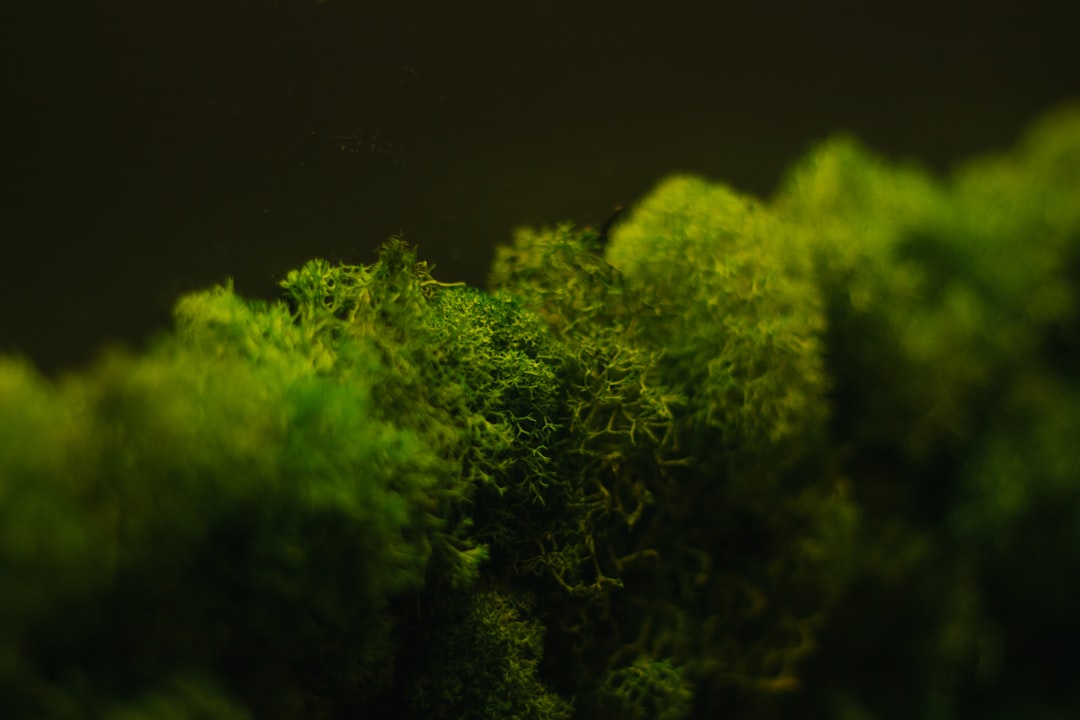
Photo by Anton Darius on Unsplash
Best Substrates: Ranked by Performance
1. Coconut Fiber (The Gold Standard)
Coconut fiber (also called coco husk, coco chips, or coconut husk mulch) is the most widely recommended substrate for crested geckos. It retains moisture for days, doesn’t compact, supports plant roots, and is safe for the gecko if ingested in small amounts.
Why it works:
- Retains 60–70% moisture by weight; humidity stays stable between waterings
- Loose structure allows geckos to burrow and move naturally
- Supports live plants directly
- Naturally breaks down without becoming anaerobic
Best product: Zoo Med Eco Earth Coconut Fiber Substrate is the standard choice. It comes compressed but expands to fill a 20-gallon enclosure with 3–4 inches of substrate. Cost is ~$12–15 for a multi-pack.
How to use it:
- Spread 3–4 inches across the enclosure floor
- Mix with sphagnum moss (50/50) for even better moisture retention
- Replace the bottom 1–2 inches every 2–3 months if mold appears
- Keep it moist but not waterlogged (water should not pool)
Caution: Coconut fiber that sits wet for weeks develops anaerobic mold (black, foul-smelling). The solution is airflow - a small background fan on low keeps air moving and prevents mold blooms.
2. Sphagnum Moss (The Moisture Master)
Sphagnum moss is pure moisture retention. According to horticultural research, sphagnum moss holds water longer than any other substrate option and creates the ideal microclimate for tropical plants. Some keepers use it exclusively; others blend it with coconut fiber.
Why it works:
- Retains 90% moisture weight; humidity stays high for days
- Naturally antimicrobial - mold and bacteria growth is minimal
- Soft and comfortable for geckos; they burrow in it readily
- Lightweight, doesn’t compact, excellent for potted plants
Best product: Exo Terra Forest Moss Hanging Plant is a standard option, though any quality sphagnum moss works. Buy premium moss (not the cheap stuff that’s mostly dead fibers).
How to use it:
- Layer it on top of coconut fiber (2–3 inches)
- As a sole substrate, use 4–5 inches depth
- Mist nightly to keep it consistently moist
- Replace 30–50% every 3 months to prevent anaerobic pockets
- Never let it dry completely - it’s hard to re-wet
Caution: Sphagnum is expensive (~$20–30 per 2-liter bag), so most keepers use it as a top layer, not a sole substrate. It’s worth the cost for plants.
3. Fir Bark (The Structural Layer)
Fir bark (also called fir mulch or orchid bark) creates drainage and structure under moisture-retentive layers. It’s often used in bioactive setups as the base layer, with coconut fiber and moss on top.
Why it works:
- Chunky structure prevents compaction and creates air pockets
- Excellent drainage - water passes through without pooling
- Supports custodian arthropods (isopods, millipedes) in bioactive setups
- Doesn’t decompose quickly; lasts 6+ months
Best product: Repti Bark Natural Fir Bark Bedding is widely available and costs ~$10–12 per bag. Orchid bark (used in plant cultivation) is identical and cheaper if you find it at a plant nursery.
How to use it:
- Lay 1.5–2 inches as a base layer
- Top with 1.5–2 inches of coconut fiber
- Add sphagnum moss layer for plants
- Create a small drainage gap at the very bottom if possible (optional for vertical tanks)
Caution: Fir bark alone is too dry for crested geckos; always combine with moisture-retentive layers above.
Substrate Combinations and Costs
You don’t have to choose one substrate. The best setups layer multiple types and offer different cost and maintenance profiles:
Bioactive Setup (Recommended)
- Bottom layer (1 inch): Fir bark (drainage)
- Middle layer (2 inches): Coconut fiber mixed with sphagnum
- Top layer (1–2 inches): Pure sphagnum moss (plant roots and water retention)
- Living component: Isopods and millipedes (optional but excellent for cleanup)
This combo maintains humidity, supports plants, prevents anaerobic conditions, and is the closest to natural forest-floor conditions. Cost: ~$25–35 total.
Simple High-Humidity Setup
- Coconut fiber (3 inches)
- Sphagnum moss mixed throughout
Simpler, cheaper, and still very effective. The trade-off is more frequent mold monitoring and manual maintenance. Cost: ~$15–20.
Budget Setup
- Coconut fiber only (4 inches), misted twice daily
This works if you’re consistent with misting. Not ideal for plants, and humidity management is tighter. Cost: ~$8–10.
Cost Comparison
| Type | Cost per use | Durability | Humidity retention |
|---|---|---|---|
| Coconut fiber only | $10–15 | 3–4 months | Good |
| Sphagnum moss only | $20–30 | 2–3 months | Excellent |
| Fir bark base + coconut fiber + moss | $25–35 | 6+ months (full replacement less frequent) | Excellent |
| Budget (coconut fiber) | $8–10 | 3–4 months | Good (with frequent misting) |
The bioactive setup costs more upfront but saves money long-term because fir bark lasts longer and requires less frequent full replacement.
What NOT to Use
Aspen, pine, cedar, or other hardwood beddings — These are toxic to reptiles and too dry. Many pet stores still sell these; ignore the label that says “reptile-safe.” They’re not.
Sand or topsoil — Too dense, compacts, harbors parasites. Not appropriate for crested geckos.
Peat moss — Acidic and easily anaerobic. Avoid.
Play sand or “natural” sand mixes — Risk of impaction if swallowed, provides no plant support.
No substrate at all — Bare tank bottoms or paper towels miss the entire point. You lose humidity control, plants can’t root, and the gecko misses natural behaviors.
Substrate Maintenance and Replacement
Even the best substrate requires upkeep. The good news is that upkeep is minimal if you know what to watch for. Proper maintenance ties directly to maintaining the humidity levels crested geckos require throughout the year.
Weekly checks (2 minutes):
- Spot-clean any visible mold (white or black spots) with a paper towel - don’t let it spread
- Feel the substrate with a finger - it should be moist, not soggy; water should not squeeze out
- Smell it - a sour, musty odor means anaerobic decay is starting; address immediately
- Check for any uneaten food sitting on the surface longer than 24 hours (remove it)
Monthly deep clean (10–15 minutes):
- Remove the top 1–2 inches of substrate and replace with fresh
- Inspect the exposed layer for mold throughout
- Feel the middle layer - if it’s spongy and waterlogged, you have drainage problems; add a fir bark base layer
- Adjust moisture if needed (add more sphagnum if drying out; reduce misting frequency or add airflow if too wet)
- Rinse out the feeding dish and any decorations that have visible algae
Quarterly assessment (30 minutes):
- Look at plant health. Are roots spreading? Are plants growing? If not, substrate might be too wet or nutrient-poor.
- Check the bottom 1–2 inches for compaction. Crested geckos don’t dig much, but accumulated waste and decay can compress substrate. If it’s dense and hard, replace it.
- Review your misting schedule. As seasons change, humidity needs change. Summer air is drier; winter air is more humid. Adjust accordingly.
Full replacement (every 9–12 months):
- Drain the enclosure completely (if using a bioactive setup, drain into a bucket to save isopods and custodians)
- Remove all substrate and inspect for visible pests or smell (not necessary for captive-bred geckos but good practice)
- Thoroughly wipe down the tank bottom and walls with a damp cloth
- Reinstall fresh substrate from scratch
- Reintroduce your plants and animals
Mold is the biggest maintenance issue. It’s not inherently dangerous to the gecko (some mold occurs naturally in tropical habitats), but thick mold growth indicates excess moisture and poor air movement. The solution is straightforward: increase air circulation with a small fan, reduce misting volume or frequency by 10–20%, or add a drainage layer (fir bark) under your substrate to prevent pooling. Most mold problems are solved with one of these three changes.
Pro tip: Take a photo of your tank every month. When you look back at photos from 3 months ago, you’ll spot substrate quality changes you might miss in real time. If substrate looks darker, more compressed, or moldier, it’s time for a refresh.
Live Plants in Your Substrate
One of the best reasons to use quality substrate is to support live plants. Live plants aren’t decoration - they’re functional enrichment that improves tank health, gecko behavior, and humidity regulation. The difference between a bare tank and a planted tank is night and day.
Benefits of live plants in crested gecko enclosures:
- Climbing surfaces — Geckos are naturally arboreal and feel unsafe in empty tanks. Plants provide 3D structure and security, reducing stress and promoting natural behavior.
- Humidity regulation — Plants transpire water, maintaining the air humidity between waterings. A planted tank with good substrate stays at 75–80% humidity; a bare tank drops to 50–60% after one day of misting.
- Natural food supplement — Insects and fungi naturally colonize plants. Your gecko eats the insects that spawn on leaves, supplementing diet without you having to culture roaches.
- Psychological enrichment — Geckos in vegetated tanks are more active, feed better, and have better coloration. The difference is measurable and significant.
- Waste processing — Live plants consume nitrogen and metabolic waste, reducing ammonia buildup in the enclosure (crucial in bioactive setups).
Best plants for crested gecko enclosures:
- Pothos (Devil’s Ivy) — Most adaptable, tolerates low light, roots readily into substrate, grows fast, nearly impossible to kill. This is the default choice.
- Philodendron — Similar to pothos, more elaborate leaves, slightly slower growth. Works just as well.
- Ficus — Slower growing, excellent climbing branches once established, more structural support. Takes weeks to root but worth the wait.
- Bromeliad — Less climbing support, but beautiful, collects water in leaf cups, adds vertical structure. Better as a accent plant alongside pothos.
- Moss poles — Not plants themselves, but moss-covered wooden poles (cork bark or moss poles from the pet store) let you attach moss, pothos, and vines vertically. Excellent for tall tanks.
Planting strategy: Plant pothos directly into your substrate (with roots in the moist coconut fiber layer) at the tank base, letting it climb the walls and branches. Use moss poles or ficus cuttings for vertical structure. Add bromeliads or ferns in pots at mid-height. This creates a 3D environment in weeks. With good coconut fiber + sphagnum mixture, pothos roots and spreads within 2–3 months. In 6 months, you’ll have a lush mini-forest.
Start with 2–3 pothos cuttings. That’s all you need. They spread aggressively and fill the tank.
Common Mistakes and FAQ
Mistake 1: Using one type of substrate and expecting miracles
No single substrate is perfect. Coconut fiber alone eventually compacts and becomes anaerobic. Sphagnum alone is expensive and needs constant replacement. Fir bark alone is too dry. Layering solves all three problems.
Mistake 2: Assuming mold is always bad
A little white mold in the substrate is normal. It’s part of the decomposition cycle. Thick black mold or a sour smell is a problem. Learn the difference.
Mistake 3: Overwatering the substrate
Moist is not waterlogged. If water pools on the surface or squeezes out when you compress the substrate, it’s too wet. Crested geckos need humidity in the air (via misting), not a swamp for feet. Adjust by reducing spray volume or increasing airflow.
Mistake 4: Not replacing substrate often enough
Even good substrate breaks down. If you notice the humidity dropping despite consistent misting, substrate breakdown is usually the cause. Refresh it - don’t just mist more.
Mistake 5: Choosing substrate based on price alone
A $5 bag of aspen “saves money” but costs you in poor humidity, failed plants, and gecko stress. Invest $20–30 once every 6 months and avoid the headache.
Q: Can I use coconut fiber with my crested gecko directly on the glass floor of the tank?
A: Yes. Coconut fiber sits directly on the glass. If you want to add drainage, place a screen or cloth between the glass and the fir bark layer to keep the layers separated.
Q: My substrate smells sour. Is it ruined?
A: Yes. That’s anaerobic decay, meaning bacteria are consuming substrate without oxygen. Remove the affected layers, increase airflow (add a small fan), and replace the smelly material with fresh. Once done, monitor it carefully - continue increasing airflow or reduce misting slightly until the smell doesn’t return.
Q: How often do I actually need to replace substrate if I’m spot-cleaning?
A: If you spot-clean weekly, replace the top 1–2 inches monthly, and use a layered substrate mix, you can get 9–12 months before a full replacement. If you’re using coconut fiber only and never spot-clean, 3–4 months is realistic. The more you maintain, the longer the substrate lasts.
Q: Is live sphagnum moss better than dried sphagnum?
A: They’re functionally identical for this purpose. Live moss is prettier but costs more. Dried sphagnum is fine and does everything you need.
Q: Can I use substrate from a previous crested gecko tank?
A: Not recommended. Even if the previous gecko was healthy, you risk transferring parasites or disease. Substrate is cheap; your gecko’s health is not. Always use fresh substrate.
Q: My local pet store only sells aspen and cedar. Where do I get coconut fiber?
A: Online (Amazon), specialized reptile shops, or plant nurseries (they sell coco chips and orchid bark for orchids). Any of these sources are better than the pet store options. Order online if necessary - it ships cheaply.
Final Recommendations
If you’re just starting: Use coconut fiber + misted daily. It’s simple, effective, and low-cost. Add sphagnum moss on top if you want to try plants. See our complete crested gecko care guide for other setup essentials.
If you want bioactive: Layer fir bark (1 inch) + coconut fiber + sphagnum (2 inches). Add isopods. This is the gold standard and worth the setup effort.
If you’re upgrading an existing tank: Replace your current substrate with coconut fiber. Your humidity will improve immediately, your plants (if any) will grow, and your gecko will show improved activity. Check out our guide to crested gecko humidity for complementary misting strategies.
The best substrate for your crested gecko is the one you’ll maintain consistently. Fancy bioactive setups fail if you don’t monitor them. Simple coconut fiber succeeds if you mist nightly. Pick the system that fits your schedule, and commit to it.
Use good substrate, maintain it weekly, and your gecko’s humidity stays stable for years.