How to Safely Handle and Tame a New Reptile
This post contains affiliate links. As an Amazon Associate, I earn from qualifying purchases at no extra cost to you.
Your new reptile is likely stressed. The trip to your home, the new enclosure, the unfamiliar surroundings - all of it triggers a defensive posture. Most keepers make the mistake of rushing into handling, thinking that frequent contact will speed up the taming process. The opposite is true. A panicked reptile is a stressed reptile, and a stressed reptile is more likely to bite, drop its tail, or refuse food for weeks.
The goal of safe handling isn’t just about protecting yourself from bites. It’s about respecting your animal’s emotional state and building genuine trust. When you handle your reptile correctly, you reduce stress, establish yourself as a non-threat, and create the foundation for a calm, touchable pet. This matters for health checks, transport to the vet, and long-term socialization.
Crested geckos and most other reptile species don’t bond the way mammals do, but they do recognize routine and learn to tolerate handling from a consistent caretaker. You won’t need expensive training equipment to get started - in fact, grab a pair of Zoo Med Deluxe Collapsible Snake Hook and you’ve already addressed one of the biggest beginner concerns about bites and lost grip. But technique, timing, and patience matter more than any gear.
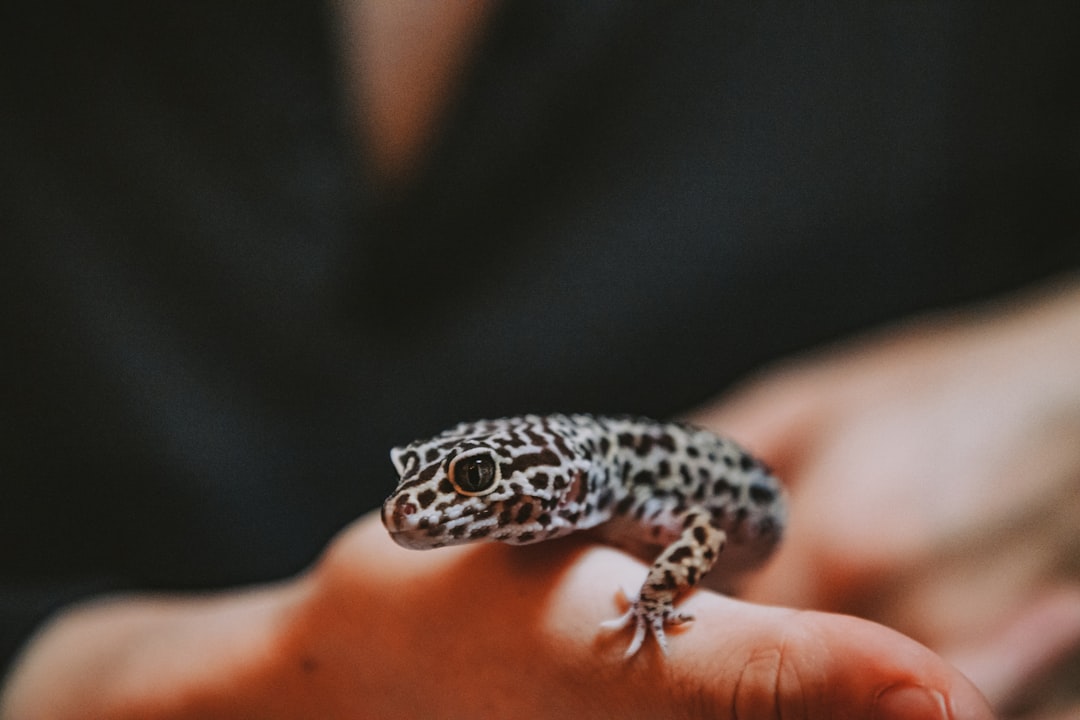
Photo by Pippa Maria on Unsplash
Why Handling and Taming Your New Reptile Takes Time
Most reptiles do not naturally enjoy being held. This is not a defect in your animal - it’s biology. Reptiles are prey animals. Being grabbed and suspended in the air signals danger to their instincts, regardless of your intentions. The Association of Reptilian and Amphibian Veterinarians emphasizes this predator-prey dynamic as critical to understanding your reptile’s defensive responses. A wild-caught reptile has even more reason to fear handling, and even captive-bred animals come with an innate startle response.
Taming is the gradual process of teaching your reptile that your hands and presence are not a threat. Unlike dogs or cats, reptiles don’t crave affection or social bonding. What they do understand is routine, reduced stress, and positive associations. When you handle your reptile in a calm manner and return it to a safe enclosure, you’re building that positive association. Over weeks and months, your reptile learns that being handled is predictable and survivable - and eventually, even tolerable.
The timeline varies by species. A crested gecko kept at proper temperatures (65-80°F, with 72-75°F being ideal) and humidity levels (60-80%, spiking to 100% at night) in a low-stress environment may become handleable in 2-4 weeks. Other species, like nervous ball pythons, may take months. Some reptiles will never enjoy handling, and that’s acceptable. Your job is to respect the individual animal while establishing the safety and trust you need for basic care.
Starting your taming process in the right environmental conditions matters. Reptiles housed in enclosures that are too hot, too cold, or too dry are already stressed. If your crested gecko’s environment isn’t in the right temperature range, no amount of gentle handling will make it calm. Check your thermometer and hygrometer before you start. This gives your new pet the best chance to relax during handling sessions.
The initial waiting period after bringing your reptile home is crucial. Most keepers are eager to start handling, but the best approach is to spend the first 5-7 days simply leaving your animal alone in its new enclosure. Provide food, water, and a stable environment. Let it explore without pressure. This acclimation period is when your reptile’s stress hormones drop and its immune system stabilizes. When you finally start handling, your reptile will be calmer and more receptive to the experience.
Preparing Your Setup for Safe Handling
Find a dedicated handling area indoors where the temperature is stable with no sudden drafts or loud noises. A small table, bed, or cleared desk works well. Some keepers use a shallow bin or blanket to define the space and catch a panicked reptile. For small species like crested geckos, warm substrate (around 75°F) can calm an animal.
Wear fitted clothing with long sleeves. Avoid loose scarves or jewelry. Wash your hands thoroughly and take a few deep breaths before starting - your reptile picks up on your tension.
Have a secure transport option ready. The Zoo Med Stainless Steel Feeding Tongs reduces stress during movement and gives your animal a secure space if frightened, especially useful for vet visits.
Know your exit strategy before you start. Your enclosure should be within arm’s reach, fully closed and secure, so you can quickly contain an escaping reptile.
Handle in bright, natural or good artificial light. Avoid direct sunlight that could overheat your animal. A well-lit interior room is ideal.
Keep your hands dry but not hot. Room temperature, dry hands are what you’re after.
Step-by-Step: How to Safely Handle Your New Reptile
-
Approach slowly and speak softly. Open the enclosure with intention. Move your hand slowly, allowing your reptile to see your approach. Avoid reaching from directly above (predator strike mimicry). Come from the side or below instead - this dramatically reduces strike responses.
-
Make gentle contact before gripping. Place your hand near your reptile and let it feel your presence. For a crested gecko, rest your flat hand so it can walk onto your palm. Let your reptile choose contact if possible. Don’t grab immediately - this gives the animal a sense of control.
-
Establish a firm but gentle grip. Support the hindquarters and mid-body with your fingers and thumb. Never grip by the tail (geckos drop them as defense). Your grip should be secure but never restrict breathing or movement. A calm reptile sits naturally in your hands.
-
Keep sessions short. First sessions should last 2–3 minutes - under 5 minutes for the first week or two. Brief, calm handling is infinitely more valuable than long, stressful sessions. As your reptile calms over weeks, extend to 5–10 minutes.
-
Return gently to the enclosure. Place your reptile back with the same care. Come from the side or below and let it move at its own pace. Don’t drop it, even inches. Closing the enclosure after signals handling time is over.
-
Follow with a reward. Wait 15–20 minutes after the session before offering food (cricket or fruit). Your reptile will associate handling with something good, building positive connections over time.
Building Taming Trust Over Time
Establish a consistent pattern - handle 3–4 times per week if your animal tolerates it. Frequency matters more than duration. Miss a week and you’ll notice regression in calmness.
Watch body language for stress and comfort signs. A crested gecko that is clinging tightly, hissing, jumping, or lunging is stressed. A calm gecko sits naturally, moves slowly, and may rest on your arm. Always end sessions if your reptile looks frightened.
Vary your handling approach over time. One day let it walk on your arm; another day let it climb between hands. Introduce gentle movement - walk around your room with your reptile. These variations prevent boredom without overwhelming it.
Once your reptile is consistently calm (4–6 weeks), use the Zoo Med Natural Cork Bark Round Extra Large harness and leash for supervised exploration outside the enclosure. This teaches that being with you leads to interesting experiences.
Some reptiles plateau at a certain comfort level, and that’s normal. Your crested gecko might always prefer occasional brief handling. That’s a successfully tamed reptile. The goal isn’t a “cuddly” pet - it’s a low-stress, handleable reptile that tolerates your presence.
Temperature and humidity stability speed up taming. A cold reptile is irritable; a reptile in wrong humidity is stressed. For crested geckos, maintain 65–80°F during day and 60–80% humidity with 100% spikes at night. These conditions directly impact stress levels and handling receptiveness.
Common Handling Mistakes and How to Avoid Them
Grabbing from above. Your reptile interprets this as a predator strike. Always approach from the side or below, moving slowly and deliberately. This single change dramatically reduces defensive responses.
Restraining the tail. Many gecko species drop their tails as defense. A crested gecko without its tail loses balance and fat storage. The tail regrows slowly and never functions as well. Always support the mid-body and hindquarters.
Handling immediately after feeding. Your reptile needs 24–48 hours to digest. Handle too soon and you risk regurgitation, stressing your animal and wasting the meal. Wait at least 48 hours, especially after large meals.
Ignoring stress signals. A reptile that is hissing, lunging, or trying to escape is at its limit. Stop the session immediately and return it to its enclosure. Ending on a brief positive note teaches that escape is possible, making it less likely to panic next time.
Handling during shedding. A shedding gecko looks dull and may have a white or translucent layer over its eyes and body. Avoid handling during these periods.
Poor hygiene. Reptiles carry Salmonella. Always wash your hands before and after handling. Don’t touch your face or eat while handling. Keep cleaning supplies separate from food preparation areas.
Over-relying on equipment. Proper technique is far more effective than heavy gloves, which make you less sensitive to your reptile’s movements. The lightweight Zoo Med Deluxe Collapsible Snake Hook maintains sensory feedback better than heavy equipment.
Forgetting that all reptiles differ. Crested gecko taming timelines and temperament differ from bearded dragons or ball pythons. Understand your specific species and respect individual differences.
Species-Specific Handling Tips
For evidence-based guidance on species-specific handling and care, consult resources from the American Society of Ichthyologists and Herpetologists.
Crested Geckos: Generally docile when properly acclimated. They’re nocturnal, so handle in the evening when naturally active. Your gecko will be more aware and less droopy. Maintain 60–80% humidity (below 60% = irritable, above 80% = fungal risk) and 65–80°F (sweet spot 72–75°F). Temperature and humidity directly impact calmness.
Leopard Geckos: More docile than crested geckos in some ways but prone to tail dropping when frightened. Handling principles are similar - slow approaches, brief sessions, respect for temperament. They tolerate slightly warmer temperatures (88–90°F on the warm side) and don’t require high humidity.
Ball Pythons: Often more defensive than geckos. They have a natural feeding response triggered by fast movement or warmth on hands. Handle during the day when less aggressive, never right after holding food. Some ball pythons never become comfortable with handling, and that’s acceptable.
Bearded Dragons: Typically the most handleable reptiles - large, sturdy, and naturally curious. They can withstand more robust handling than geckos and often enjoy being held. Still require slow contact, proper support, and respect for individual personality.
For any species: approach slowly, support the body properly, respect stress signals, and keep sessions brief initially. Research your specific species thoroughly and adjust your approach accordingly.
Frequently Asked Questions
How long should I wait before handling my new reptile?
Wait 5-7 days after bringing your reptile home before attempting any handling. Your animal needs time to acclimate to its new environment, explore its enclosure, and experience a feeding cycle in its new home. A panicked, unfamiliar reptile is at high risk of injury during handling. During this acclimation period, provide food, water, and stable environmental conditions, but leave the animal alone otherwise. Once the acclimation period is complete, you can begin brief, gentle handling sessions 3-4 times per week. The waiting period isn’t wasted time - it’s the foundation for everything that follows.
My reptile hisses and strikes every time I approach. Am I doing something wrong?
Not necessarily - you may simply have a naturally defensive species or individual. Some reptiles are more aggressive than others, and that’s biology, not a reflection of your husbandry. However, check your environmental conditions first. If your reptile’s temperature is below the appropriate range for its species, if humidity is wrong, or if your enclosure is drafty and unstable, those conditions will trigger defensive behavior. Once you’ve optimized the environment, reduce your handling frequency significantly. Try handling only once every 7-10 days instead of several times weekly. Always approach from the side, move slowly, and end sessions immediately if your reptile shows aggression. Some reptiles improve with this approach; others never become comfortable with handling. If your reptile is consistently aggressive despite optimal conditions and gentle technique, it may simply be a low-handling-tolerance animal, and you should respect that boundary.
Can I use a harness and leash on a young reptile?
No. The Zoo Med Natural Cork Bark Round Extra Large is designed for larger, more mature reptiles that have learned to tolerate basic handling. A young or small reptile in a harness may panic and hurt itself trying to escape. Wait until your reptile is consistently calm with free-hand handling, usually 4-6 weeks after your first sessions, before introducing a harness. Even then, ensure the fit is snug (you should be able to fit one finger inside) and never leave a harness on for extended periods. Start with just 5-10 minutes in the harness during your normal handling area, then progress to supervised exploration outdoors or in a large, secure room.
What should I do if my reptile bites me?
First, don’t panic. Stay calm and gently remove your reptile from your hand without jerking or thrashing. A startled reptile often grips harder if you flail. Instead, slowly and deliberately pry your reptile’s mouth open (most reptiles have limited bite strength relative to larger animals) and remove your hand. Wash the bite immediately with soap and warm water. Most reptile bites don’t break the skin, and even punctures are typically minor. However, keep an eye on the bite for signs of infection. If it swells, reddens, or becomes hot to the touch, see a doctor. Seek medical attention immediately if the bite is deep. After the bite, don’t resume handling for at least a week. Your reptile learned that biting made the scary situation stop, and you need to reset that association. When you resume handling, do so very gradually, and consider increasing your acclimation time before returning to normal frequency.
How often should I handle my reptile to keep it tame?
Consistency is more important than frequency. Handling your reptile 3-4 times per week will maintain its calm temperament once it’s been tamed. If you stop handling for several weeks, you’ll notice a regression - your reptile will be less tolerant and more stressed. However, more frequent handling doesn’t necessarily improve taming. Twice-daily sessions won’t make your reptile “better” tamed than three sessions per week; it will just increase stress and injury risk. Stick with 3-4 brief sessions weekly, spaced out across the week. This maintains the positive association without overwhelming your animal.
Conclusion
Safely handling and taming your new reptile is a gradual process that requires patience, respect for your animal’s stress responses, and attention to environmental details. The biggest mistake keepers make is rushing the timeline. Your reptile doesn’t need to be tame in a week - it just needs to be alive, fed, and healthy. Calmness and tolerance will follow.
Start with proper environmental conditions: the right temperature range, humidity levels, and stable, stress-free housing. Add your animal’s acclimation period without handling. Then begin brief, gentle handling sessions 3-4 times per week, always approaching from the side or below, always supporting the body, and always ending before stress signals appear. Build on this foundation week by week, and by the end of your first month, you’ll have a visibly calmer reptile.
Remember that some reptiles may never become truly “cuddly,” and that’s fine. A successfully tamed reptile is one that tolerates your presence, allows you to perform health checks and transport it safely to a vet, and doesn’t panic during necessary handling. That’s the realistic and sufficient goal.
Bookmark this guide for future reference, and drop a comment below if you have questions about your specific reptile’s handling timeline.
Related Reading
Dive deeper into gecko care with our guide on gargoyle gecko care, housing, diet, and handling. For species-specific considerations, check out our full leopard gecko care guide for beginners.