Best Reptile Lighting Setups for Bioactive Enclosures: A Buyer's Guide
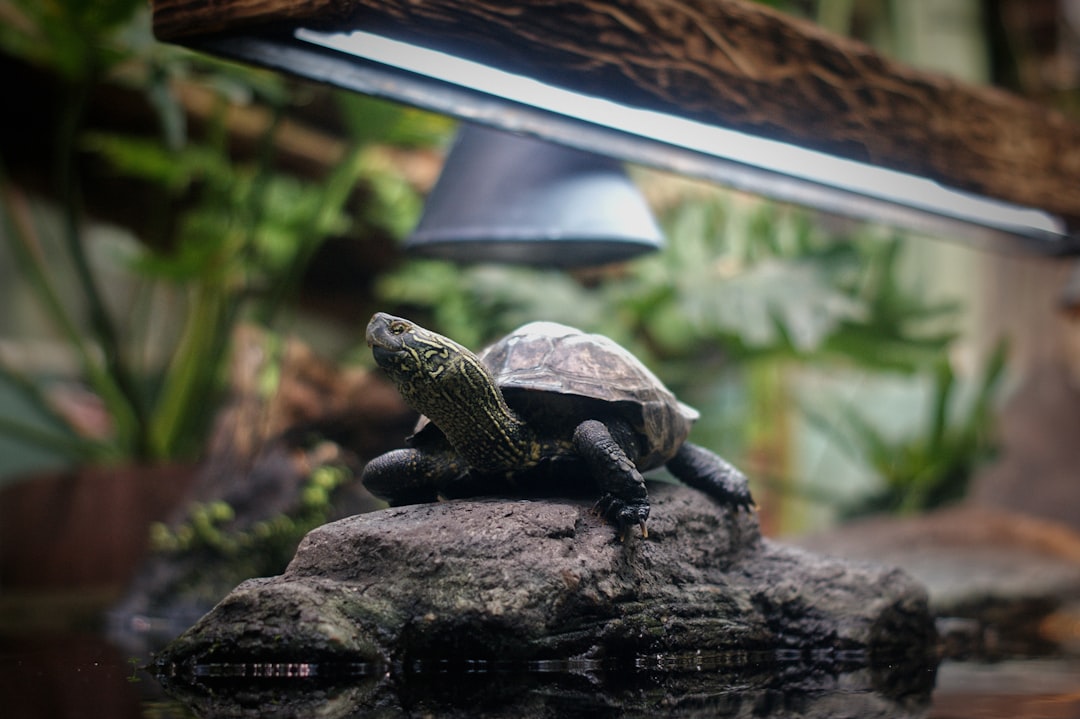
Photo by Oskari Räsänen on Unsplash
This post contains affiliate links. As an Amazon Associate, we earn from qualifying purchases at no extra cost to you.
A bioactive enclosure is only as good as the lighting above it. Get it right and your plants thrive, your microfauna reproduce, your reptile behaves naturally, and the whole ecosystem clicks into place. Get it wrong and you’ll watch plants yellow and collapse, animals stress, and the self-cleaning system you spent weeks building quietly fall apart. Lighting in a bioactive setup isn’t just about helping your reptile see – it drives plant photosynthesis, regulates circadian rhythms, delivers UVB for D3 synthesis, and handles thermoregulation, all within the same overhead footprint.
The good news: you don’t need a background in photobiology to build an excellent lighting rig. You do need to understand a few core concepts, pick components that match your species and plant choices, and put everything on a reliable timer. If budget is tight right now, you can start improving ambient light quality immediately – something like the Govee Smart LED Strip Lights runs under $30 and works well as programmable accent lighting along the back panel of an enclosure while you build out the rest of your setup.
This guide covers everything you’ll need to make smart purchases: UVB output and UVI targets, plant-grow spectra, photoperiod scheduling, heat source integration, and specific product picks for forest, desert, and grassland bioactives at different budget tiers. Whether you’re setting up your first bioactive crested gecko tank or dialing in a bearded dragon build, you’ll find a complete picture here.
Why Lighting Is the Foundation of Every Bioactive Setup
In a conventional enclosure, lighting is mostly cosmetic – visibility and a day/night cycle. In a bioactive enclosure, lighting takes on three additional jobs that are easy to underestimate.
Driving plant photosynthesis. Living plants need adequate photosynthetically active radiation (PAR) and the correct spectrum. Standard reptile UVB bulbs produce some visible light but rarely deliver enough intensity or the right wavelength blend to sustain anything beyond low-light mosses and ferns. Without dedicated grow lighting, your planted bioactive gradually becomes an expensive compost pile.
Supporting microfauna reproduction. Isopods, springtails, and other custodians are sensitive to photoperiods. Consistent light cycles help regulate their activity and breeding windows. Erratic or excessively long photoperiods can suppress cleanup crew populations right when you need them most.
Delivering physiological UVB. Even species like crested geckos, long labeled as “UVB optional,” benefit meaningfully from low-level UVB exposure. Research documented at UV Guide UK shows that UVB enables endogenous D3 synthesis, reduces reliance on dietary supplementation, and supports immune function across a wide range of reptile species. For basking species like bearded dragons, correct UVB is non-negotiable – deficiency leads to metabolic bone disease.
The bioactive substrate adds one more variable: soil depth and moisture affect how heat distributes and whether root systems can support the plant load your lighting enables. If you haven’t already worked through Bioactive Substrate 101, reading that alongside this guide is worth your time – substrate and lighting decisions feed directly into each other.
UVB Lighting: Choosing the Right Bulb for Your Species
UVB output in modern reptile lighting is best understood using Ferguson Zones (FZ1 through FZ4), which categorize species by how much UV exposure they naturally experience. Matching your enclosure’s UV Index (UVI) to your species’ Ferguson Zone is the most reliable way to avoid both deficiency and overexposure.
- FZ1 (UVI 0-0.7): Shade dwellers – crested geckos, leopard geckos, dart frogs
- FZ2 (UVI 0.7-1.0): Partial sun species – corn snakes, ball pythons, some skinks
- FZ3 (UVI 1.0-2.6): Open shade to partial sun – blue-tongued skinks, chameleons
- FZ4 (UVI 2.6-6.0): Basking species – bearded dragons, uromastyx, water dragons
For bioactive enclosures with live plants and a dense canopy, you’ll need a bulb that can punch through foliage while still producing the correct UVI at the basking zone. T5 HO (high output) fluorescent tubes are the standard here. They run cooler than mercury vapor bulbs, require less clearance from the fixture, and pair naturally with LED grow bars in a multi-fixture overhead rig.
The Arcadia T5 HO UVB Kit 6% is the top pick for forest and partial-shade bioactives. The 6% rating is calibrated for FZ1 and FZ2 species and produces a UVI of roughly 1.0-2.0 at 30 cm when the included reflector is in place. That reflector is a meaningful part of the package – it substantially boosts output compared to bare-tube setups and lets you position the fixture at a safe distance from your animals without losing effective UVB delivery. This is the fixture you’ll want for a crested gecko or chameleon bioactive – see our full crested gecko bioactive setup guide for specific placement distances for that species.
If availability is an issue or you need something stocked locally, grab a Zoo Med ReptiSun T5 HO UVB 5.0 instead. The 5.0 rating corresponds to roughly 5% UVB output and is widely carried at pet retailers and online. It performs comparably to the Arcadia 6% when positioned correctly and works well for the same FZ1-FZ2 range. Replace both T5 HO options every 6-12 months – output degrades well before the visible light dims, so don’t judge replacement timing by brightness.
For desert bioactives housing bearded dragons or uromastyx, step up to a 10-12% T5 HO or a combined UVB and heat mercury vapor lamp. See How to Set Up a Bioactive Bearded Dragon Enclosure for species-specific UVB placement and intensity guidance. For a detailed breakdown of bulb ratings, output comparisons, and how to verify UVI at the basking zone with a Solarmeter 6.5, read through How to Choose the Right UVB Bulb for Any Reptile.
Plant-Grow Spectra: Keeping Your Bioactive Plants Thriving
UVB bulbs produce light in the ultraviolet spectrum plus some visible light, but they are not optimized for plant photosynthesis. Chlorophyll A and B absorb light most efficiently in the red (640-680 nm) and blue (430-450 nm) wavelength ranges. A UVB-only lighting setup will fail to sustain anything beyond low-light species like pothos, certain ferns, and some mosses – everything else will slowly yellow and die.
Adding a dedicated grow light is the single biggest upgrade most bioactive keepers skip, and it is often the actual reason a planted enclosure fails rather than soil mix or watering frequency.
The Arcadia Jungle Dawn LED Bar 11W is purpose-built for this application. It produces a 6500K daylight spectrum that covers both the blue and red PAR peaks, runs cool enough to mount inside or directly on a mesh lid without creating a hot spot, and is dim enough not to disturb nocturnal species during their active hours. This is the go-to grow light for bioactive forest and humid builds – paired with the Arcadia 6% UVB kit, you have a two-fixture overhead rig that covers both animal and plant needs effectively.
For larger enclosures 36 inches or wider, run two Jungle Dawn bars or look at higher-PAR LED bars designed for planted aquariums. Horticultural lighting research indicates that canopy plants in large terrariums can require 200 or more PAR at the soil level, which a single 11W bar won’t deliver alone across the full footprint.
When selecting grow lighting, look for:
- Color temperature between 5500K and 6500K for broad-spectrum coverage
- CRI (Color Rendering Index) of 90 or higher for accurate color rendition – important if you photograph your animals regularly
- Low radiant heat output – LED is preferred over T5 grow bulbs in reptile applications for this reason
- An IP44 or higher rating if your enclosure runs at high humidity (relevant for tropical bioactives)
Avoid grow lights marketed for cannabis cultivation. Many run in the 3000K-3500K “bloom” spectrum and produce a purple or pink cast that’s unpleasant for observation and creates an unnatural visual environment for your animal.
Photoperiod Timers, Heat Sources, and Ambient Lighting
A consistent photoperiod matters in a bioactive enclosure for multiple reasons: it regulates your reptile’s hormonal cycles, drives microfauna activity patterns, and keeps your plants on a predictable growth schedule. Aim for 10-14 hours of light during summer months and 10-12 hours during winter for most temperate and tropical species. Avoid abrupt on/off switching where possible – a gradual ramp using dimmable fixtures or a low-wattage ambient strip produces a more natural transition and reduces startle stress.
Timer options worth using:
- Digital outlet timers with dual outlets, so your UVB and grow lights run on the same schedule while plugged in separately
- Smart outlets with scheduling apps for seasonal fine-tuning without rewiring anything
- The Govee Smart LED Strip Lights can be scheduled through the Govee Home app to run gradual sunrise and sunset simulations along the back wall of the enclosure – a clean ambient effect that’s easy to program and stays well under $30
Heat sources in a bioactive context: In most bioactive setups, separating heat from light produces better outcomes. Overhead radiant heat from a halogen or incandescent basking bulb works well for desert species – it mimics solar radiation and coexists naturally with UVB and grow lighting in an overhead grid. For forest species that need lower ambient temperatures (crested geckos, for instance), avoid overhead heat sources entirely and use a low-wattage ceramic heat emitter or an under-tank mat on a proportional thermostat for ambient correction only. Read Heating a Crested Gecko Enclosure for a full breakdown of how to keep temps stable without stressing your plants or your animal.
Fixture choice affects everything. The Zoo Med Naturalistic Terrarium Hood T5 is a practical all-in-one solution for keepers who want a single hood that accommodates T5 HO bulbs in a clean, enclosed form factor. It sits flush on standard ZooMed and Exo Terra tanks, accepts the ReptiSun T5 HO tubes directly, and positions the bulb close enough to the screen top to deliver solid UVI readings at the basking zone without additional reflector modifications. If you’re building a clean, contained setup without DIY mounting, this is a reliable starting point.
How to Set Up Lighting for Your Bioactive Enclosure
Setting up your lighting rig in the right sequence prevents most common mistakes. Work through these steps before introducing your animal:
-
Identify your species’ Ferguson Zone and temperature requirements. Before purchasing anything, confirm the UVI target, basking temperature, and natural photoperiod for your specific animal. FZ1 animals need fundamentally different lighting from FZ4 animals, and mixing up categories is the most common source of avoidable husbandry problems.
-
Choose and position your UVB fixture. For T5 HO setups, mount the tube parallel to the length of the enclosure along the front two-thirds of the lid. This creates a UVB gradient so the animal can self-regulate exposure by moving toward or away from the bulb. Measure UVI at the basking spot using a Solarmeter 6.5 or similar device. If you don’t have a meter, use positioning guidelines from ReptiFiles as a starting reference, then verify with a meter before long-term housing.
-
Add your plant-grow light. Mount the Jungle Dawn LED or equivalent grow bar on the opposite half of the lid from the basking zone, or position it above the densest plant coverage. This prevents the grow light from stacking heat on top of the basking area.
-
Install your ambient and accent lights. Govee strips along the back panel add depth and visual interest. Use the Govee app or a smart outlet to set your full-light period, a dim “evening” ramp, and your full-off night window before you introduce the animal.
-
Put everything on a timer and run the setup for 48-72 hours before adding animals. Verify temperatures are stable throughout the full photoperiod. Confirm the UVB fixture is on during its timed window – it’s easy to have timer polarity reversed. Check that no hot spots are developing in the plant zone.
-
Verify and adjust after two weeks. Once plants are established, re-measure UVI at the basking spot. A developed canopy can reduce UVB reaching the floor by 30-50%. You may need to raise the plant canopy, adjust basking platform height, or swap in a higher-output tube.
Top Lighting Setups by Enclosure Type and Budget
Forest bioactive – budget tier (under $120 total):
- Zoo Med ReptiSun T5 HO 5.0 + Zoo Med Naturalistic Hood T5
- Govee Smart LED strips for ambient and photoperiod control
- Digital outlet timer
Forest bioactive – mid-tier ($120-$200):
- Arcadia T5 HO 6% Kit (includes reflector and ballast)
- Arcadia Jungle Dawn LED Bar 11W for plant growth
- Smart outlet for sunrise/sunset simulation
Desert bioactive – budget tier (under $150):
- Zoo Med ReptiSun T5 HO 10.0 + Naturalistic Hood
- 60-75W halogen basking bulb on a clamp lamp with ceramic socket
- Govee strips for ambient fill
- Digital dual-outlet timer
Desert bioactive – mid-tier ($150-$250):
- Arcadia T5 HO 12% Kit
- Arcadia Jungle Dawn LED Bar for plant zone coverage
- Halogen basking bulb on a lamp stand with a dimmer switch
- Smart outlet timer with seasonal programming
Large enclosures 6 feet and longer typically require two T5 HO fixtures running in parallel to cover the full basking gradient. A single 24-inch tube will not produce a usable UVI at both ends of a 72-inch enclosure – the UVI falloff is too steep for reliable self-regulation by the animal.
Common Lighting Mistakes and How to Fix Them
Judging UVB output by visible brightness. T5 HO UVB bulbs look bright well past the point where they produce meaningful UVB. The phosphor coating that generates UV degrades faster than the visible-light phosphor. Replace tubes on a manufacturer schedule rather than waiting for the bulb to dim visibly.
Stacking mesh layers under the UVB fixture. Fiberglass mesh can absorb 30% or more of UVB before it reaches the animal. Two layers of fine mesh compound losses further. If your enclosure has a fabric liner, shade cloth, or secondary mesh panel under the primary screen lid, cut or remove it in the zone directly under the UVB fixture.
No grow light in a planted build. This is the most consistent reason bioactive plants fail in reptile enclosures. UVB bulbs do not produce enough PAR for sustained plant growth. Add a dedicated full-spectrum LED before blaming your soil mix, watering schedule, or plant selection.
Photoperiod that runs too long. More than 14 hours of light per day can suppress hormonal cycles, prevent natural seasonal cues from triggering, and stress animals that rely on photoperiod to regulate breeding and appetite. Match your photoperiod to the natural day length of your animal’s native geographic range and adjust seasonally.
Grow light positioned directly over the basking zone. If your grow light is immediately adjacent to your basking bulb, you’re stacking heat sources and creating a zone that’s too warm for most plants and potentially dangerous for your animal. Separate heat, UVB, and grow lighting across different sections of the lid.
Forgetting to re-measure UVI after plants fill in. Dense tropical canopy coverage – pothos, philodendrons, bromeliads – can reduce UVB reaching the enclosure floor by 40-60%. Measure UVI at the basking spot after the plant layer is established, not just at initial setup, and adjust fixture height or bulb output accordingly.
FAQ
Do crested geckos really need UVB in a bioactive enclosure?
Crested geckos are Ferguson Zone 1 animals – they experience very low natural UV exposure and can survive without supplemental UVB when diet-based D3 supplementation is consistent. That said, current research increasingly supports providing low-level UVB (UVI 0.3-1.0 at the basking area) as a welfare improvement that reduces supplementation dependence and supports immune function. In a bioactive setup with a dense plant canopy, a 6% T5 HO positioned 30-40 cm above the basking spot delivers an appropriate dose without risk of overexposure, and the canopy gives the animal a shaded retreat if it wants to avoid UV.
Can I use LED grow lights designed for houseplants in a reptile enclosure?
Yes, with some caveats. Generic grow LEDs marketed for herbs or succulents often run at very low PAR output and may not sustain the plant load in a larger bioactive. Avoid lights that emit strongly purple or pink light – that spectrum is appropriate for plant growth but creates an unnatural visual environment for your reptile and makes the enclosure unpleasant to observe. Stick to full-spectrum white LEDs with a color temperature above 5500K and a CRI above 90 for the best results in a reptile context.
How many hours of light does a bioactive enclosure need per day?
For most tropical and temperate species kept in bioactive setups, 12-14 hours of full-spectrum light is appropriate in summer and 10-12 hours in winter. This seasonal variation is easy to achieve with a programmable timer or a smart outlet. The photoperiod affects your reptile, your plants (some require longer light periods to maintain growth rate), and your cleanup crew. A consistent, seasonally adjusted schedule produces better long-term outcomes than a fixed year-round setting.
How often do I need to replace UVB bulbs?
Replace T5 HO UVB tubes every 6-12 months depending on the manufacturer – Arcadia recommends 12 months for their T5 series, Zoo Med recommends 6 months for the ReptiSun line. The bulb may still produce visible light after these intervals, but UVB output has degraded to the point where it’s no longer delivering reliable D3 support. The only accurate way to verify remaining output is with a dedicated Solarmeter 6.5 meter.
Can I use a single fixture that combines UVB and grow lighting?
Combination UVB-plus-grow fixtures exist and can work in small, simple setups. In practice, they tend to compromise on both functions – the UVB output is lower than a dedicated T5 HO, and the grow spectrum is less targeted than a purpose-built LED bar. The best bioactive lighting uses separate fixtures for each task, positioned independently across the lid. This also lets you upgrade or replace each component on its own schedule as technology improves.
If this guide helped you map out your lighting rig, bookmark it for reference when you’re ready to shop or troubleshoot a specific setup. Share it with a keeper friend who’s planning their first bioactive build – getting the lighting right from the start saves a lot of replanting. And if you want more guides like this one, subscribe to the Scaled Keeper newsletter for new content on bioactive husbandry, product reviews, and species care.