Reptile Veterinary Care: Finding a Herp Vet on a Budget
This post contains affiliate links. As an Amazon Associate, I earn from qualifying purchases at no extra cost to you.
Veterinary care for reptiles is non-negotiable. Whether you’re keeping a crested gecko, bearded dragon, or ball python, you’ll eventually need a qualified herpetological veterinarian - and that’s where budgets collide with reality. A single exotic pet exam can run $75 to $150, with diagnostic tests, imaging, and medications adding hundreds more. If you’re a budget-conscious keeper, the sticker shock can feel paralyzing.
The good news: you can find affordable care without sacrificing quality. Experienced keepers regularly negotiate better rates, pool resources, and locate vets who understand budget constraints.
This guide covers where to find herp vets, how to negotiate costs, and how to build a reliable long-term network. You’ll learn which preventive measures avoid costly emergency visits - like the Zoo Med Digital Thermometer 3-Pack for catching husbandry issues early.
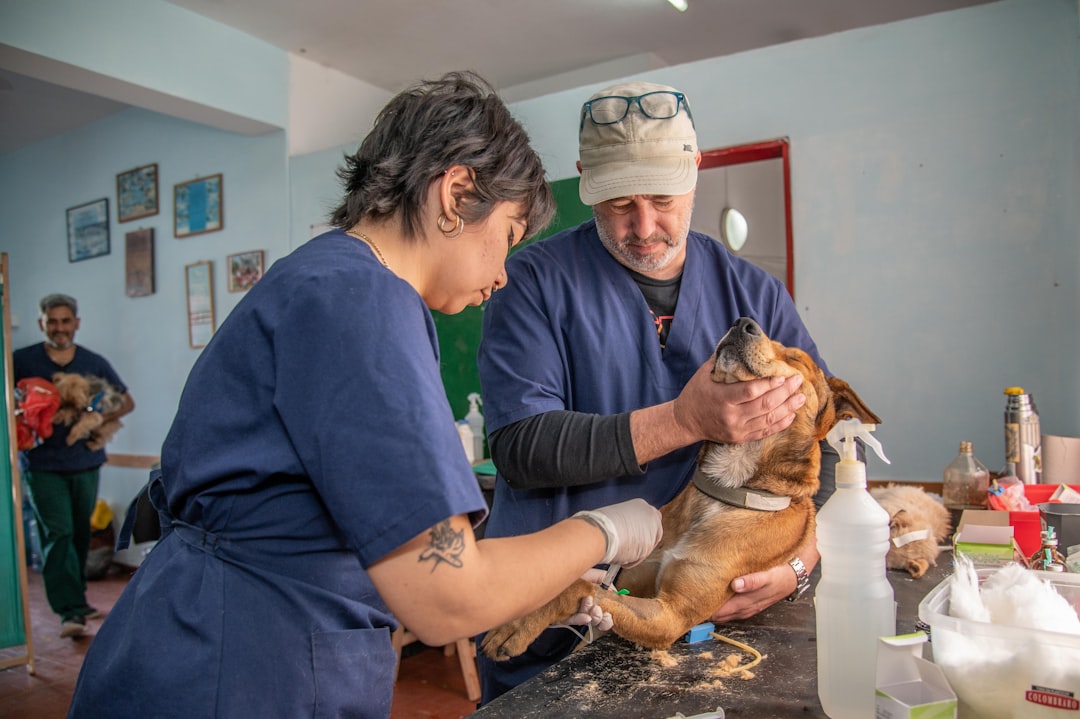
Photo by Jonatan Bustos on Unsplash
Why Herp Vets Cost More Than Traditional Veterinarians
The cost difference between a general veterinarian and a herpetological specialist boils down to specialization, training, and market demand. General practices see dogs and cats dozens of times weekly; herp vets see only reptiles, serving a much smaller client base. This narrower revenue stream directly translates into higher per-visit charges.
Additionally, herpetological veterinarians complete extensive training beyond their DVM degree. Specialization requires ongoing education, specialized equipment (reptile-safe anesthesia, ultrasound machines calibrated for smaller bodies, radiology setups optimized for scale patterns), and often years of apprenticeship under another herp vet. Many herp vets invest $50,000-100,000+ in equipment that serves only a small fraction of their practice compared to general vets who distribute costs across thousands of canine and feline patients annually.
Market concentration also matters: many regions have only one or two herp vets, limiting pricing competition. Urban areas with multiple practices tend to have lower consultation fees than rural regions where reptile keepers drive two hours to the nearest qualified vet. A herp vet in a rural area may charge $120-150 for a consultation, while an urban practice with three competitors might charge $75-100 for the same service.
Understanding pricing tiers helps you recognize where flexibility exists. A typical herp vet exam ranges from $50-120 depending on geography, complexity, and the vet’s experience level. Bloodwork runs $75-200 depending on what tests are included. Fecal testing costs $25-60. X-rays range from $100-250 per set. Knowing these benchmarks helps you identify outliers and negotiate effectively.
Many herp vets actually prefer proactive consultations ($100) to emergency visits ($500+), because emergency cases are unpredictable and resource-intensive. Understanding this dynamic helps you negotiate effectively, recognizing where vets have flexibility and where they’re operating on thin margins. A vet who can schedule you for a $100 preventive exam has incentive to work with you on pricing; a vet handling your $800 emergency surgery has less room to negotiate.
The best approach: recognize that herp vets provide genuine specialized expertise that justifies premium pricing compared to general practices. Your goal isn’t to find a cheap vet—it’s to find a vet whose pricing is fair for their expertise and market, then build a relationship that unlocks loyalty discounts and better communication.
How to Find a Herp Vet in Your Area
Finding a qualified herp vet requires more effort than googling “exotic vet near me,” but the investment pays dividends. Here are the most effective strategies:
1. Check the ARAV directory. The Association of Reptilian and Amphibian Veterinarians (ARAV) directory lists committed practitioners who’ve invested in continuing education specific to reptile medicine. Call each to ask about consultation fees—ARAV members are typically transparent about pricing and accustomed to keepers asking direct financial questions. Ask specifically: “What’s your standard consultation fee, and what does that include?” You’ll get answers like “$90 for a 30-minute exam plus basic handling” that help you compare fairly. ARAV members often provide access to practice information like emergency protocols, what diagnostic equipment they have, and whether they handle your specific species (some specialize in snakes, others in chelonians, etc.).
2. Ask online communities for recommendations. Reddit’s r/reptiles, Facebook groups dedicated to your species, and Kingsnake.com have members who share vet recommendations, pricing, and information about discounts that aren’t advertised publicly. Ask vendors and breeders at expos: “Who do you use, and what do they charge?” Breeders have incentive to keep costs down and know which vets handle serious conditions reliably. They’ll also tell you which vets to avoid—practices that consistently run expensive diagnostics or miss obvious diagnoses become known quickly in keeper communities. When you see a vet recommended repeatedly across multiple communities, that’s a strong signal.
3. Research veterinary school teaching hospitals. Teaching hospitals offer reduced-cost care ($30-50 consultations) through supervised students under faculty oversight. Check your region’s vet school websites for programs that accept private reptile patients. The tradeoff: exams take longer (teaching takes time), and you’re helping train the next generation of vets. The upside: care quality is excellent, costs are dramatically lower, and you build a relationship with experienced faculty who stay current with advancing reptile medicine. Many keepers view this as a win-win: excellent care at minimal cost, with the satisfaction of supporting veterinary education.
4. Contact local zoo and rehab centers. Zoos and rehab centers sometimes accept private reptiles and may charge less because they operate on grants and donations rather than pure fee-for-service. Research your nearest facilities for unexpected affordable options. Zoos are particularly valuable because their vet staff see exotic animals daily and often have diagnostic equipment standard practices can’t justify. Don’t assume zoos won’t help—call and ask. The worst they can do is decline; the best case is discovering a practice with exceptional expertise at below-market rates.
5. Ask local keepers about unlisted practices. Some herp vets don’t advertise widely and rely entirely on word-of-mouth referrals. Post on local Facebook groups: “I’m looking for a herp vet recommendation in [your area].” Responses often surface practices not visible in directories, sometimes offering better pricing because they have lower overhead or less demand.
6. Call practices and ask screening questions. When you call, ask: “How many years have you specialized in reptiles specifically? Do you see [your species]? Are you ARAV-certified? What’s your standard exam fee?” This filters out general practices falsely claiming exotic expertise and confirms the practice matches your needs before you invest time or money.
How to Prepare for Your First Herp Vet Visit
Preparation dramatically improves your exam outcome and reduces the bill. Most reptile vets charge by time, so reducing unnecessary diagnostic time saves money. Follow these steps:
1. Gather a complete setup and husbandry summary. Write a one-page document covering: enclosure dimensions, substrate type, heating equipment and temperatures (day and night), humidity levels, lighting setup (UVB type and age), feeding schedule, feeder prey type, water setup, and any recent behavioral or appetite changes. Include a photo of the enclosure if possible. This context prevents vets from second-guessing your husbandry and asking diagnostic questions they could answer from your documentation. Vets can immediately assess whether setup issues might be contributing to the problem, rather than spending 15 minutes of your exam time extracting this information.
2. Bring a feeding and health history. Document the last feeding date, what was fed, last confirmed bowel movement, any vomiting or regurgitation, and any previous health concerns. Note behavioral changes: “More lethargic than usual starting 5 days ago,” “Refusing meals for two weeks,” or “Excessive basking.” This written history takes 5 minutes to prepare but saves 15+ minutes of exam time and ensures you don’t forget details under the stress of a vet visit. Vets strongly prefer written summaries to verbal explanations, as they can reference the exact timeline.
3. Ensure safe transport. Use an appropriate transport container—a small, secure enclosure that maintains temperature and prevents injury. A loose reptile can be injured during transport, creating emergency conditions that turn a $100 exam into a $500+ emergency. The Exo Terra Faunarium is ideal for small to medium reptiles, with secure latches and appropriate ventilation. For larger snakes, a pillowcase secured in a container works (dark, secure, minimal handling). Bring a heat pack if outdoor temperatures are below 60°F, as chilled reptiles can experience emergency issues.
4. Prepare questions in advance. Write down your questions: “Is this behavior normal?” “Should we do bloodwork today or wait?” “What signs would warrant emergency care?” Organized questions ensure you don’t forget concerns and demonstrate you’re a thoughtful client—vets reward preparation with better attention and often provide more detailed guidance for prepared keepers.
5. Bring insurance/payment information. Know your budget and payment options in advance. Ask when confirming the appointment: “What’s your fee for a standard exam? Do you accept [your payment method]? Would you recommend any diagnostics beyond the basic exam?” This prevents surprise bills and lets you discuss cost-benefit tradeoffs before the exam rather than discovering an unexpected $300 charge afterward. If budget is genuinely tight, mention it: “My budget is around $150 today. What diagnostics would you prioritize?”
6. Confirm timing and arrival instructions. Ask: “How early should I arrive? Should I keep my reptile in the transport container or have it out? What should I bring?” Vet practices have specific workflows; arriving prepared for their system means smoother, faster processing.
What to Expect During Your Herp Vet Appointment
Understanding the typical flow of a reptile vet appointment reduces anxiety and helps you get the most from your visit. Here’s a step-by-step walkthrough:
Before your appointment: You’ll check in, provide your completed health history, and may wait 10-20 minutes depending on the practice’s schedule. Use this time to review your questions and ensure you have your notes organized. Many practices have you sign consent forms acknowledging that diagnostic procedures may reveal unexpected findings or recommendations.
Physical examination (5-15 minutes): The vet will perform a comprehensive physical exam. They’ll examine eyes, nostrils, and mouth for discharge (common signs of respiratory infection). They’ll palpate the body to check for masses, assess muscle tone, and feel the abdomen for obstructions. They’ll check joints for swelling, examine the vent for abnormalities, and assess overall body condition—whether the reptile appears over/underweight, dehydrated, or distressed. This is when the vet may recommend specific diagnostics: “I’m hearing a slight wheeze and noting mild nasal discharge. I’d recommend a fecal exam ($30-40) to rule out parasitic infection and potentially radiographs ($150-200) if the fecal is normal, to check for pneumonia.” The vet will explain their reasoning so you can decide whether to proceed.
Discussion and recommendations (5-10 minutes): The vet will discuss findings. Expect specific comments: “Your bearded dragon appears generally healthy. I’d recommend annual exams to catch issues early. For now, the main recommendation is adjusting basking temperature—I’m noting some shedding difficulty, which sometimes correlates with inadequate heat.” They’ll provide written care instructions and often verbal advice about specific husbandry adjustments. Prepare to ask: “Are you recommending bloodwork?” (Standard rate: $75-200 depending on panel scope) “When should I return for follow-up?” “What signs warrant emergency care?”
Diagnostics (if recommended): If the vet recommends fecal testing ($25-60), bloodwork ($75-200), or X-rays ($100-250), they’ll explain the cost and what the test addresses. You decide whether to proceed. For example: “Your ball python is slightly lethargic. I’d recommend bloodwork ($120) to rule out metabolic issues or parasites. If that’s normal, we’d consider imaging depending on results.” You can ask: “Can we do the fecal ($30) first to rule out parasites before investing in bloodwork?” Vets appreciate this collaborative approach and often agree it’s the most cost-effective diagnostic pathway.
Exam conclusion and scheduling: The vet discusses next steps, whether scheduling follow-up care, prescribing medications, or recommending dietary changes. They may provide printed care sheets or medication instructions. The front desk will discuss total cost, payment, and scheduling follow-up (if needed). Ask for an itemized receipt that lists exam fee, diagnostics, medications, and any additional charges separately—this helps you track costs and understand where your money goes.
After your appointment: You’ll receive written care instructions and any prescriptions. Ask clarifying questions if anything is unclear. Many vets provide phone/email follow-up for questions about medication side effects or behavior changes after the visit.
Building a Budget Herp Vet Network That Works Long-Term
Finding one good vet is valuable; building a long-term relationship unlocks far greater savings and better care. Here’s how:
1. Establish a primary vet relationship early. Schedule a wellness exam while your reptile is healthy. This verifies your vet’s expertise, creates a health baseline, and establishes client familiarity for better scheduling and 10-20% discounts versus one-off visits. When you return for care later, the vet already understands your animal’s baseline health, husbandry, and personality, making diagnosis faster and more accurate. The $100 wellness exam is insurance against catastrophic misdiagnosis during emergencies.
2. Ask about package pricing for multiple animals. Example: “What would annual exams for four geckos cost, with discounts?” This shows you’re a steady client worth investing in. Many vets offer 15-20% discounts for multi-animal clients because it builds loyalty and predictable revenue. A vet who sees four of your geckos annually has incentive to maintain your relationship with better pricing and communication.
3. Ask about phone and video consultations for minor concerns. Stuck sheds, feeding issues, or behavior questions may need only a $20-30 call or video consultation, not a $100+ in-person visit. Many vets offer this service informally once you’re an established client. “Can I send a photo and describe the issue for a quick consultation fee?” is often met with flexibility. This is valuable for routine questions while preserving the full exam for comprehensive health checks.
4. Maintain detailed records and bring them to visits. Bring temperature logs, humidity data, and feeding schedules to visits. Use the Zoo Med Digital Thermometer 3-Pack to track accurate temperature readings, and a TempPro TP50 digital thermometer/hygrometer to monitor moisture levels. This context reduces diagnostic time and prevents vets from second-guessing your husbandry. Vets appreciate data and are more likely to recommend conservative treatment when they see you’re meticulous about environmental parameters.
5. Ask if your vet will price-match or negotiate rates for routine services. Most understand this and will work with you. You might say: “Another vet in the area charges $75 for routine exams. Can you match that for my wellness appointments?” Many vets will accommodate established clients to maintain loyalty. The key is asking respectfully and making clear you’re interested in building a long-term relationship.
6. Stay loyal. Vets reward consistent clients with better communication, priority scheduling, and informal rate reductions. Jumping between vets for $20 savings backfires when you lose continuity. A vet who’s seen your bearded dragon for three years knows its baseline health and personality; switching to a cheaper vet who starts from zero creates diagnostic inefficiency and costs more overall. Your long-term vet becomes an advisor who recognizes subtle changes and prevents problems before they become emergencies.
7. Ask about emergency protocols and after-hours options. Understand whether your primary vet offers emergency care or has a referral network. Some practices have on-call vets; others refer to emergency clinics. Knowing this in advance prevents panic during a genuine emergency. Ask: “If my reptile shows signs of distress at 2 AM on a Sunday, who should I contact?” Practices that answer this question clearly are worth building relationships with.
Common Mistakes That Inflate Reptile Vet Bills
Many keepers inadvertently trigger expensive bills through preventable mistakes. Avoid these:
Delaying vet visits until problems are severe. Early respiratory infections cost $150-200 in exams and antibiotics; untreated, they become pneumonia at $500-1000+. One annual routine exam is insurance against catastrophic bills. Early-stage respiratory issues show as occasional wheezing or nasal mucus; at this stage, a vet visit plus appropriate medication often resolves the issue quickly. Wait three weeks and the infection progresses to obvious breathing difficulty, lethargy, and anorexia—now requiring radiographs ($150-200) to confirm pneumonia, extended antibiotic courses ($100-200), and potentially hospitalization if the animal refuses food. The $100 early exam saves $600+ in late-stage treatment.
Showing up without health history. Bring a one-page summary: setup parameters, feeding schedule, behavior changes, and previous health issues. This cuts exam time by 15-30% and reduces your bill. Vets reward preparation with better attention and more detailed guidance. A prepared client with written information moves through the exam efficiently, while a client requiring the vet to extract information through questioning wastes billable time, increasing costs.
Transporting unsafely. Loose reptiles can be injured before reaching the vet. A $25-30 transport container prevents injuries that cost $300+ to repair. A stressed, badly-handled reptile also presents emergency-like symptoms (gasping, inactivity, refusal to eat) that require extended diagnostics when the issue is pure transport stress. Proper transport in the Exo Terra Faunarium or similar eliminates this risk.
Not asking about cost before procedures. Ask: “How much will this cost and how will it change treatment?” Request estimated ranges. Many vets will proceed with limited workups if you mention budget constraints. For example: “I can do a fecal test ($40) to rule out parasites before recommending bloodwork ($150)” is a common vet response when you ask for a phased approach. Not asking leaves you with a surprise $200 bill for diagnostics you might have declined in favor of a cheaper initial test.
Switching vets mid-treatment. New vets repeat diagnostics and restart records from zero. Only switch for legitimate reasons (dismissive, incompetent, or double-market pricing), not first-visit sticker shock. Continuity saves money—a vet who’s followed your animal’s care understands what’s been tried, what worked, and what didn’t, preventing redundant testing.
Over-treating based on worry. Ask: “Should we treat presumptively or watch for specific signs?” Vets respect this question and often recommend watching, saving money and avoiding unnecessary side effects. A vet might say: “Your corn snake has a slight shed delay. This is often normal and self-resolves. Let’s monitor for one week and follow up if it persists” rather than recommending expensive diagnostics. Asking this question invites this collaborative approach.
Not asking about alternatives. Ask: “Is there a generic or less-expensive version?” or “Are there different treatment options with different cost implications?” Vets understand budget concerns and suggest options when asked. Not asking leaves money on the table. For example: a vet might offer a $120 broad-spectrum antibiotic or a $50 targeted antibiotic if you ask whether you can do a culture first to identify the specific pathogen.
Ignoring preventive care. A $30 TempPro TP50 digital thermometer/hygrometer and OLIISS feeding tongs 2-pack might prevent a $500 respiratory infection or feeding injury. Cheap husbandry is penny-wise/pound-foolish. Investing in monitoring equipment and safe handling tools prevents expensive vet visits. The cumulative cost of proper setup is far less than a single emergency visit.
FAQ: Finding Affordable Herp Vet Care
Q: How do I know if a herp vet is actually qualified, and not just a general vet who claims to do reptiles?
A: Qualification is crucial—a general practice vet with minimal exotic experience is a budget trap. Ask directly: “How many years have you treated reptiles specifically? What continuing education do you complete annually? Are you ARAV members? Can you describe your recent experience with [your species]?” Legitimate herp vets provide specific answers and cite species experience. They’ll say things like: “I’ve been treating reptiles exclusively for 12 years, with particular experience in colubrid snakes. I complete 40 hours of continuing education annually focused on herpetology, and I’m an ARAV member.” The cheapest vet who misdiagnoses your reptile costs far more than an expensive vet who gets care right the first time. For more on what to expect from a qualified vet, see our detailed guide on reptile veterinary care. Credentials matter more than price.
Q: What’s a reasonable price for a reptile wellness exam, and when should I push back on the quote?
A: Expect $75-150 for a straightforward consultation in most U.S. markets, with urban areas trending lower ($75-100) and rural areas higher ($125-150). Quotes above $200 for routine exams without diagnostics warrant calling competitors. Geographic variation means you should call 2-3 local practices to establish market rates before deciding if a price is unreasonable. A vet in a rural area with no competition may quote $150; that’s defensible. A vet in a city with three competitors quoting $200 for the same service isn’t. Know your market before negotiating.
Q: Should I do bloodwork or X-rays at a wellness exam, or wait until there’s an actual problem?
A: For young, healthy reptiles, routine bloodwork isn’t necessary at wellness visits. Annual exams should include thorough physical examination and health history discussion. Ask for justification if a vet recommends diagnostics on a healthy animal without clinical concern. Senior reptiles (8+ years) sometimes benefit from annual bloodwork ($75-200) to catch silent problems like renal disease or parasites before they cause emergency situations. Discuss with your vet based on your animal’s age, species, and health history. A reasonable approach: “Do a basic exam this year. If you notice anything during palpation that concerns you, we can do bloodwork” ($120-150) or a fecal test ($25-60) to narrow the issue.
Q: How much does a typical fecal exam cost, and what conditions does it detect?
A: Fecal examinations cost $25-60 depending on whether it’s a basic float (identifying most parasites) or a more comprehensive panel. Fecal exams detect intestinal parasites (common in wild-caught or newly acquired reptiles), sometimes bacterial or fungal infections, and give clues about digestive health. Many keepers recommend fecal tests for newly acquired reptiles ($30-50) and every 1-2 years for established animals. It’s often the first diagnostic after a physical exam because it’s inexpensive and frequently reveals the cause of feeding issues, weight loss, or lethargy. Ask your vet: “If I get a fecal exam and it’s negative, would you recommend bloodwork or just continue monitoring?”
Q: What should I budget for X-rays, and when are they actually necessary?
A: X-rays cost $100-250 per set depending on the number of images and complexity. X-rays are necessary for respiratory issues (suspected pneumonia), bone/joint problems, suspected internal injuries, or if bloodwork and fecal tests are normal but illness persists. They’re not necessary for routine exams or most feeding issues. A vet might say: “I’d like to do radiographs ($150-200) to rule out pneumonia given the wheezing I heard during exam.” You can ask: “If we start antibiotics, can we skip X-rays and recheck in a week if breathing doesn’t improve?” Many vets will agree to this phased approach. X-rays are valuable when needed but shouldn’t be routine for every concern.
Q: What’s the difference between a vet recommending treatment and pushing expensive diagnostics I don’t need?
A: A good vet recommends diagnostics that directly address your concern. A problematic vet recommends a full bloodwork panel ($150-200) for every visit. Ask: “What specific concern would this test address? What would you do differently based on the results?” If they can’t answer specifically—”I’d just like a baseline”—push back. A vet describing treatment logic sounds like: “Your gecko hasn’t eaten in three weeks. Bloodwork would show whether this is parasitic, metabolic, or infection-related, which would guide treatment.” That’s a justified recommendation. A vet saying: “It’s good to check everything”—without specific reason—may be over-testing. Over time, you’ll recognize patterns. A vet who recommends a $200 diagnostic panel for every visit but never acts differently based on results is problematic; a vet who does a $100 exam, recommends a $40 fecal if there’s specific concern, and only escalates to bloodwork ($120) if the fecal is abnormal, is practicing good medicine.
Conclusion
Finding an affordable herp vet is entirely compatible with excellent care - but it requires upfront work. Research beyond Google, negotiate respectfully based on market rates, and commit to a long-term relationship with one practice. Start your search now while your reptile is healthy.
The most effective budget strategy isn’t skimping on vet care—it’s preventing expensive emergency visits through meticulous husbandry, accurate monitoring, and routine check-ups. Keep temperature logs, maintain humidity targets, feed appropriately, and catch problems early. Your vet is an advisor and partner, not an adversary. Keepers who treat them as partners get better pricing and better outcomes.
Build your vet network today. Bookmark ARAV’s directory, ask local keeper groups for recommendations, and schedule that first wellness exam while your animal is healthy. Your reptile’s long-term health is worth the planning effort.
Related Reading
- Reptile Veterinary Care: Finding a Herp Vet and What to Expect
- How to Safely Handle and Tame a New Reptile