Ball Python Feeding Troubleshooting: When They Refuse Prey
This post contains affiliate links. As an Amazon Associate, I earn from qualifying purchases at no extra cost to you.
A ball python that refuses to eat is one of the most stressful situations a keeper faces. Unlike some species that will hunt anything that moves, ball pythons are notoriously picky eaters, and a feeding refusal can signal anything from a minor environmental issue to a serious health problem. The challenge is that ball pythons won’t always tell you what’s wrong, so you need to systematically work through the most common causes.
The good news: most feeding refusals are fixable once you identify the root cause. Temperature stress, prey size mismatches, and enclosure anxiety account for the vast majority of cases. A smaller number of refusals point to parasites or illness that require veterinary intervention. This guide walks you through the diagnostic process so you can get your snake eating again without guessing.
If you’re offering prey but your ball python consistently turns it down, start by ruling out the easiest culprits: temperature, prey type, and stress. I recommend using a REPTI ZOO Digital Thermometer/Hygrometer to verify that your enclosure is actually at the right temperature, since many under-tank heaters and heat tape thermostats are inaccurate by 5-10 degrees. This single tool will save you hours of troubleshooting.
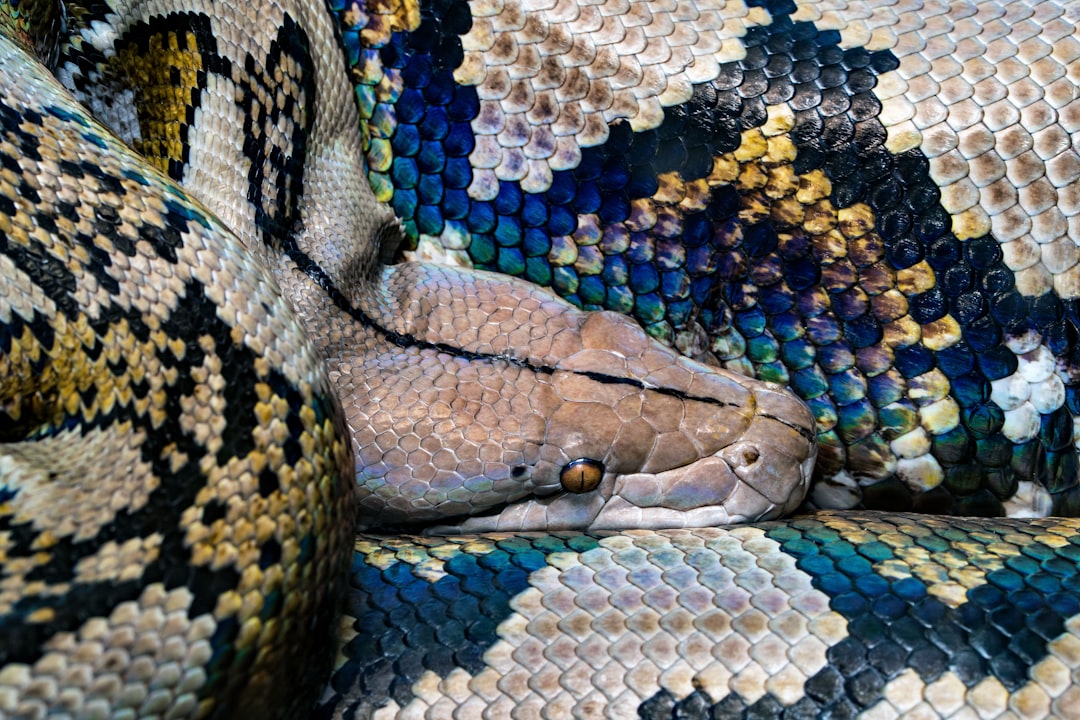
Photo by David Clode on Unsplash
Why Ball Pythons Refuse Food: The Main Culprits
Ball pythons are ambush predators with specific environmental triggers that tell their bodies when to eat. When those triggers are missing or misaligned, even a hungry snake will refuse prey. Understanding the hierarchy of what drives feeding behavior helps you pinpoint the problem faster.
Temperature and Enclosure Heating: The Most Common Cause
Temperature is the primary driver. Ball pythons digest food using metabolic heat, and if the enclosure is too cold, their digestive system simply won’t function. A snake in a 72-degree enclosure isn’t being stubborn; it’s physiologically incapable of proper digestion. The warm side of the enclosure should sit between 88-92°F, with a cool side around 75-80°F. If your temperature is below 85°F on the warm spot, feeding refusal is almost guaranteed.
If your ball python won’t eat, check the temperature first. This single factor causes roughly 40-50% of feeding refusals in captive ball pythons. The snake doesn’t need to feel warm; it needs access to a warm surface where digestion can happen.
Ball pythons are endemic to West Africa, where ambient temperatures stay between 75-85°F year-round. However, in the wild, they thermoregulate by moving between sun-warmed burrows and cool sand. In captivity, you need to provide a temperature gradient: a warm side where the snake can digest, and a cool side where it can thermoregulate down if needed.
The critical number is the warm-side floor temperature: 88-92°F under the heat source. Many keepers measure air temperature instead of surface temperature and discover their warm spot is actually 75°F when measured correctly. Use a temperature gun or probe thermometer on the actual surface the snake touches, not the air above it.
Under-tank heaters (UTHs) and heat tape are the most common heating methods. Under-tank heaters are convenient but often produce uneven heat. Heat tape with a thermostat is more reliable because it maintains a steady temperature rather than cycling on and off. If you’re using an under-tank heater without a thermostat, consider upgrading. A thermostat costs $25-40 and eliminates temperature swings that confuse your snake’s appetite.
If your enclosure is room temperature (72-75°F), the warm side is probably insufficient. Even in summer, most indoor spaces don’t naturally reach 88°F. You’ll need active heating. Check the temperature at the exact spot where your ball python rests during the day. If it’s below 85°F, heating is your first fix.
Cold snakes also exhibit a reduced appetite even if they’re technically above the minimum threshold. A warm side of 82°F might keep your ball python alive, but it won’t stimulate feeding. Raising the temperature to 88-90°F often jumpstarts feeding within a week or two.
Prey Size, Type, and Delivery Method
Ball pythons have specific prey preferences, and a mismatch in size or presentation is a common reason they refuse to eat. A general rule is that prey should be roughly the same diameter as the thickest part of the snake’s body. A ball python with a 1-inch body diameter should eat appropriately sized prey; oversized prey triggers a defensive refusal, while undersized prey might not register as food.
Size progression matters over the snake’s lifetime. Hatchlings eat pinky mice (or very small rats). Juveniles eat fuzzies, hoppers, or adult mice. Adults typically eat adult mice, small rats, or medium rats depending on the individual snake’s size. Some ball pythons are larger and can handle large rats; others top out at medium rats. Know your snake’s size and match prey accordingly.
The type of prey also affects feeding response. Most ball pythons do fine on mice or rats, but individual preferences vary. Some snakes prefer the scent profile of mice; others seem to prefer rats. If your snake refuses what you’ve been feeding, try the other species before assuming there’s a deeper problem. Switching between frozen-thawed and live prey can also trigger refusals if the snake is used to a particular texture or scent cue.
Frozen-thawed prey is safer and more reliable than live prey. Live prey can injure a snake, particularly if the snake is sluggish from cold temperature or stress. However, some ball pythons are reluctant to eat frozen-thawed prey if they’ve never been exposed to it. If you’re transitioning from live to frozen-thawed (recommended), introduce it gradually: start by offering frozen-thawed while the snake is in a separate container, where it can’t refuse and move away. Many snakes that seem to refuse frozen prey simply need a hunger cycle or two to adapt.
Thawing method also matters. Prey thawed in hot water (too warm) can be mushy or smell off-putting. Thaw in the refrigerator overnight or in room-temperature water. The prey should be at body temperature or slightly below when offered, not ice-cold or overheated.
Use the Zoo Med Super Deluxe Feeding Tongs 2-Pack to present prey safely. Tongs allow you to move the prey in a way that triggers the strike response and keep your fingers away from the snake’s mouth. If you’re hand-feeding or dropping prey directly, you might be missing the visual trigger that says “this is food.”
Stress, Enclosure Setup, and Recent Changes
Ball pythons are notoriously shy and stress-prone. A snake in an enclosure that feels unsafe won’t eat, even if temperature and prey are perfect. Stress suppresses appetite through the same mechanism that affects humans: the nervous system prioritizes survival over digestion.
Poor hides are a common stressor. A ball python needs at least one opaque, enclosed hide on both the warm side and cool side. The hide should be tight enough that the snake feels secure (not a wide-open shelter). A hide that’s just big enough for the snake to fit is better than a large one. Many feeding refusals resolve simply by adding a second hide or upgrading the existing hide to something more enclosed.
Recent moves, new enclosures, or handling changes also trigger refusals. A ball python moved to a new tank may refuse food for 1-2 weeks while it adjusts. This is normal. Minimize handling and feeding attempts during this adjustment period. Once the snake has had time to establish a routine in the new space, feeding usually resumes.
Excessive handling or feeding too soon after handling can suppress appetite. Ball pythons digest better when left undisturbed. Feed your snake and then don’t handle it for 48 hours. If you handle it shortly after feeding, the stress can cause regurgitation.
Tank size is sometimes blamed unfairly for feeding refusals. The old “ball pythons need large tanks” myth is actually backwards: many ball pythons feel more secure in appropriately sized enclosures (40-breeder tanks for adults, 20-long for juveniles) than in large open tanks. A snake in a large tank with poor hides will be more stressed than one in a smaller, well-furnished space.
Changes to enclosure décor (new substrate, new layout) can also trigger temporary refusals. If you’ve recently rearranged or added something, give the snake a week to adjust before assuming there’s a feeding problem.
Health Issues, Parasites, and When to See a Vet
A feeding refusal accompanied by other signs (weight loss, lethargy, discharge, abnormal breathing, or visible parasites) points to a health issue. Ball pythons can harbor parasites, particularly if they came from a breeder with poor hygiene or if you’ve recently added new snakes to the collection. Intestinal parasites don’t always cause visible symptoms early on, but they do reduce appetite and weight gain.
Respiratory infections are common in ball pythons and are often triggered by insufficient temperature or humidity. If your ball python is wheezing, has mucus around the mouth, or seems lethargic, a vet visit is necessary. These infections won’t resolve on their own and can become life-threatening.
Inclusion body disease (IBD) and other viruses cause progressive refusal and are not treatable. Testing is available but expensive. If you have a feeding refusal that doesn’t respond to environmental fixes and the snake is otherwise healthy-looking, it may be worth a vet consultation to rule out IBD, particularly if the snake came from outside your collection.
A basic rule: if the snake looks healthy (good weight, clear eyes, normal shedding) and environmental factors check out, a short-term feeding refusal is usually temporary. If the refusal lasts more than 3-4 weeks, if the snake loses weight, or if you see other signs of illness, book a vet appointment. A reptile veterinarian with the Association of Reptile and Amphibian Veterinarians will run a fecal exam and visually assess the snake for parasites, respiratory issues, and other red flags.
The Zoo Med Eco Earth Coconut Fiber Substrate 2-Pack is a good choice for ball python enclosures because it holds humidity moderately and is inert (not prone to mold in dry setups). Maintaining appropriate humidity (40-60%) helps prevent respiratory issues and keeps the snake comfortable, both of which support feeding.
Common Ball Python Feeding Mistakes to Avoid
New and experienced keepers alike make feeding mistakes that inadvertently trigger or prolong refusals. Recognizing these errors helps you avoid creating a feeding problem from scratch.
Feeding at the wrong time of year. Many keepers assume ball pythons eat year-round, but in the wild they reduce feeding frequency in the dry season (roughly winter months in captivity). Some snakes naturally reduce appetite in late fall and winter. This isn’t a refusal; it’s a seasonal pattern. If your snake refuses food in January or February but ate consistently in November, hold the feeding schedule and try again in a few weeks. Forcing food during natural slow periods stresses the snake further.
Overfeeding frequency. A common mistake is feeding too often and then panicking when the snake refuses. Adult ball pythons eat every 7-10 days. Juvenile and baby snakes eat every 5-7 days. Feeding more frequently than this doesn’t speed growth; it stresses the snake’s digestive system. If you’re feeding every 3-4 days, drop to every 7-10 days and reassess.
Removing uneaten prey immediately without observation time. Ball pythons sometimes refuse prey initially and then eat it hours later. If you snatch the prey away after the snake ignores it for 5 minutes, you might be interrupting a normal feeding pattern. Leave prey in the enclosure for 15-30 minutes. If the snake hasn’t shown interest after 30 minutes, remove it. Don’t leave live prey in overnight, as it can injure the snake.
Handling or moving the snake right before feeding. Handling triggers stress hormones that suppress appetite. Feed the snake, then leave it alone for 48 hours. If you’ve just brought a snake home or moved its enclosure, wait 3-5 days before attempting to feed.
Using inconsistent prey. Switching between different prey suppliers, thawing methods, or prey species creates confusion. Pick a prey source and method and stick with it. Once the snake is eating consistently, you can occasionally introduce variety, but consistency is the key to regular feeding.
Assuming the enclosure is warm enough without measuring. This is the number-one mistake. Keepers rely on “it feels warm” or assume their heating is working when it isn’t. A temperature gun costs $15-25 and solves this instantly. Measure the warm spot directly.
Ball Python Feeding Troubleshooting: A Step-by-Step Process
When your ball python refuses food, work through this systematic process to identify and fix the problem:
-
Measure the warm-side temperature. Use a temperature gun or probe thermometer to measure the surface temperature directly. The warm spot should be 88-92°F. If it’s below 85°F, increase heat immediately using a heat tape with thermostat or by upgrading your under-tank heater. Wait one week and retry feeding.
-
Check prey size against the snake’s body diameter. The prey should be roughly the same thickness as the thickest part of the snake’s body. If the prey is visibly too large, switch to a smaller size. If it seems undersized, try the next size up. Take a photo of the snake and prey side-by-side to compare.
-
Verify the snake has adequate hides. Check that the warm side has an opaque, enclosed hide and the cool side has a second hide. Both should be tight enough that the snake feels secure. If either is open or the enclosure is sparse, add or upgrade hides immediately.
-
Stop handling and feeding attempts for 3-5 days. Remove all stress from the equation. Don’t handle, don’t attempt to feed, don’t rearrange. Let the snake settle. After 3-5 days, try feeding in a calm, low-light setting.
-
Switch prey type or thawing method. If the temperature is correct and hides are adequate, try a different prey species (switch from mice to rats or vice versa). If you’ve been using frozen-thawed, try a freshly thawed prey item. If you’ve been hand-feeding, switch to tongs and present the prey with movement.
-
Wait out seasonal refusals. If this is late fall or winter and the snake refused one or two meals, it may be a seasonal slowdown. Resume normal feeding schedule in another 2-3 weeks. Don’t attempt to force-feed or constantly re-offer prey.
-
Check for parasites and health signs. Visually inspect the snake for scale rot, discharge, or breathing difficulty. Check the vent for parasites (look for small moving objects). If you see any of these, schedule a vet visit. If everything looks healthy, move to the next step.
-
Attempt feeding again after two weeks of correct conditions. Once temperature is stable, hides are secure, and stress is minimized, most ball pythons return to feeding within 7-14 days. If feeding still hasn’t resumed after two weeks, consult a vet or a ball python breeder for additional guidance.
FAQ
Q: How long can a ball python survive without eating?
A: Adult ball pythons can survive 2-3 years without food in extreme cases, but this causes significant muscle loss and metabolic damage. A feeding refusal that lasts more than 6-8 weeks warrants veterinary attention, even if the snake looks okay. Younger snakes are more vulnerable to prolonged refusals because they need calories for growth. If a hatchling or juvenile refuses food for more than 3-4 weeks, seek professional help. Most ball pythons should resume feeding within 2-3 weeks if environmental conditions are correct. Prolonged refusal often signals an underlying issue that needs diagnosis.
Q: Can I force-feed my ball python?
A: Force-feeding ball pythons is not recommended and can do more harm than good. It causes stress, can damage the esophagus, and may trigger regurgitation. The only time force-feeding is appropriate is under veterinary guidance if the snake is critically underweight or when a vet has determined it’s necessary for medical reasons. Instead of force-feeding, focus on creating the right conditions: correct temperature, secure hides, minimal stress, and appropriate prey size. Most ball pythons will eat on their own once conditions improve. If a snake has refused food for more than a month despite perfect conditions, a vet can advise whether assisted feeding is warranted.
Q: My ball python ate live prey and won’t touch frozen-thawed. Should I keep feeding live?
A: Live prey poses injury risk, particularly if the snake is sluggish or if the prey is large relative to the snake. However, transitioning from live to frozen-thawed takes patience. If your snake has only ever eaten live, introduce frozen-thawed gradually. Start by feeding frozen-thawed in a small separate container or feeding bin, where the snake can’t escape and re-learn to eat in that setting. Use tongs to move the prey and create the hunting trigger. Most snakes adapt within 3-5 meals. Some keepers also report success by offering live prey less frequently (every other feeding) and mixing in frozen-thawed to get the snake accustomed to the texture. Once your snake consistently eats frozen-thawed, you can eliminate live prey entirely. The transition takes time but is worth it for the snake’s safety.
Q: Should I feed in a separate container or in the enclosure?
A: Feeding in the enclosure is more convenient and is safe for most ball pythons. Feeding in a separate container adds extra handling and stress, which can suppress appetite. The old advice that feeding in the enclosure would cause the snake to strike at your hand during maintenance is largely a myth with ball pythons. Your hand doesn’t resemble prey, and ball pythons are deliberate strikers that can distinguish between feeding and handling. If your snake is extremely food-aggressive or if you’re concerned about accidental strikes, feeding in a separate container is an option, but it’s not necessary for most keepers. Keep feeding in the enclosure simple: offer prey, observe for 15-30 minutes, remove if uneaten, and then leave the snake alone for 48 hours.
Q: How do I know if my ball python has parasites?
A: Visible signs include small white or yellowish particles in the stool (which might be roundworms), or very rarely, small moving organisms visible at the vent. Weight loss despite regular feeding, dull coloration, or a lack of growth in a juvenile also suggest parasites. However, many parasites aren’t visible without a microscope. A fecal exam by a veterinarian (where stool is examined under magnification) is the only reliable way to detect parasites. If your ball python has a feeding refusal, has lost weight, or came from a breeder with unknown husbandry, a fecal exam is a smart diagnostic step. Prescription antiparasitic medication can resolve most parasite infections if caught early.
Conclusion
Ball python feeding refusals are frustrating, but the good news is that most resolve quickly once you identify the cause. Start with temperature: verify that your warm spot is genuinely 88-92°F, not a guess. Check prey size and type, ensure adequate hides, and minimize stress. Most feeding refusals stem from one of these factors, and correcting them restarts feeding within 1-3 weeks.
If your snake continues to refuse food despite correct temperature, appropriate prey, and a stress-free environment, and if the snake shows no signs of illness, it may be in a seasonal slow period or experiencing a temporary stress response. Give it time. A healthy snake that’s otherwise active and maintaining weight can safely skip meals for several weeks. Document what you’ve tried, when the refusal started, and any environmental changes so you can share this information with a vet if the refusal extends beyond a month.
Bookmark this post and share it with other keepers who are troubleshooting feeding issues.