Common Reptile Parasites and How to Treat Them
This post contains affiliate links. As an Amazon Associate, I earn from qualifying purchases at no extra cost to you.
Parasites are one of the most common health threats your reptile will face, whether you keep a ball python, crested gecko, bearded dragon, or corn snake. The problem is that parasites thrive in the warm, humid environments most reptiles need, and they spread fast in captivity if you don’t catch them early. Many keepers don’t realize their animal is infected until the parasite load becomes severe, which is why understanding the signs, treatment options, and prevention strategies is essential to keeping your reptiles healthy.
The good news is that parasitic infections are highly treatable when caught early, and most are entirely preventable with proper husbandry. This guide covers the most common parasites you’ll encounter, how to identify them, and the exact steps to eliminate them from your collection. You’ll also learn how to prevent reinfection, which is just as critical as treating the initial infection.
As a first step, grab a Zoo Med Wipe Out Cleaner if you don’t already have one. You’ll need an effective disinfectant for both the initial treatment and ongoing prevention, and this cleaner won’t damage your enclosure materials or harm your animals.
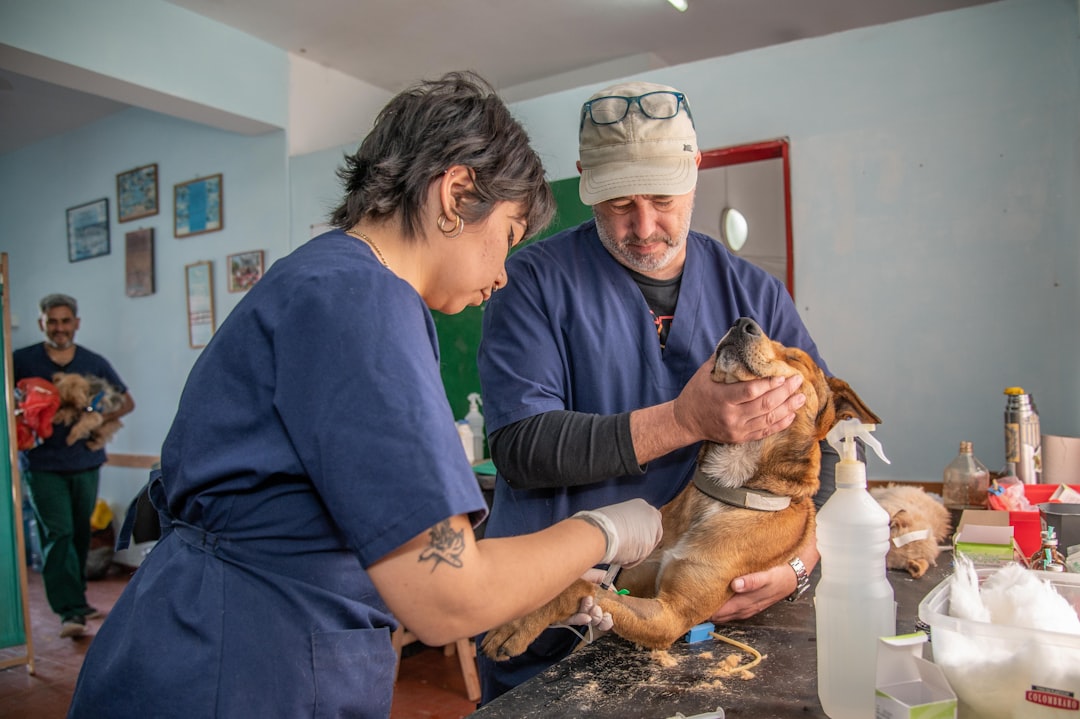
Photo by Jonatan Bustos on Unsplash
Understanding Reptile Parasites: Types and Why They Matter
Parasites are organisms that live on or inside your reptile and feed off its tissues or nutrients. There are two main categories: external parasites that live on the skin and scales, and internal parasites that live in the digestive system or organs. Both types can severely compromise your reptile’s health if left untreated, causing weight loss, lethargy, loss of appetite, and even death in severe cases.
The reason reptiles are so susceptible to parasites in captivity is environmental. Warm temperatures accelerate parasite reproduction cycles, and moisture creates ideal breeding conditions. Unlike wild reptiles that have access to diverse food sources and natural remedies, captive reptiles rely entirely on you for their protection. A single infected feeder insect, contaminated substrate, or an animal added to your collection without proper quarantine can introduce parasites that infect your entire collection.
Different reptile species have different parasite vulnerabilities. Arboreal geckos like crested geckos tend to suffer more from mites and intestinal parasites than terrestrial species like ball pythons. Aquatic and semi-aquatic reptiles like water monitors are frequently infected with acanthocephalans (spiny-headed worms) and other water-borne parasites. Snakes are particularly susceptible to respiratory parasites and nematodes, while colubrid species like corn snakes commonly carry coccidia. Understanding what your specific species is prone to helps you stay vigilant.
The financial and emotional cost of parasite treatment can be significant. Veterinary consultation, diagnostic testing, and prescription medications add up quickly. Prevention through proper quarantine, substrate management, feeding practices, and regular health checks is far less expensive than treatment. A preventive mindset will save you money, stress, and potentially your animal’s life.
Identifying Parasite Infections in Your Reptile
Early detection is everything. Most parasitic infections are much easier to treat when caught in the early stages, before the parasite load becomes heavy. You need to know what normal looks like for your reptile so you can spot deviations. Normal behaviors include regular feeding, consistent activity levels, clear eyes, firm droppings, and regular shedding.
Signs of external parasites include visible mites (tiny moving dots on the skin), crusty or dry patches on the body, unusual scratching or rubbing against decorations, and respiratory distress in severe cases. Ball pythons and corn snakes with mite infections often spend long periods soaking in water, which is a tell-tale sign. Geckos and bearded dragons with heavy mite loads develop patchy coloration and may refuse food. Some mites are nearly invisible to the naked eye, so a magnifying glass helps when inspecting your animal closely.
Internal parasites are trickier to detect because you can’t see the organisms directly. Warning signs include regurgitation, loose or mucus-covered stools, constipation, unexplained weight loss despite normal feeding, visible worm segments in feces, and chronic lethargy. Your reptile may eat normally but still lose weight, which is a classic sign of a heavy internal parasite load. Some reptiles show no obvious signs until the infection becomes severe, which is why regular fecal testing is so important for any newly acquired animal or any animal showing subtle health changes.
Behavioral changes often precede visible symptoms. If your typically active reptile becomes lethargic, hides more than usual, or stops interacting with you, parasites should be on your list of suspects. A reptile with a parasite infection may also show a dull or darkened appearance, even if it’s outside of a normal shed cycle. Trust your instincts: if something feels off, schedule a fecal exam with a reptile veterinarian rather than waiting for obvious symptoms.
External Parasites: Mites, Ticks, and Leeches
Mites are the most common external parasite in captive reptiles, particularly in collections with multiple animals. Snake mites (Ophionyssus natricis) are found worldwide and will infect any snake species. They’re small black or red arachnids that feed on blood, and they reproduce rapidly in warm, dry-to-moderate humidity environments. A single mite can establish a population in your enclosure in just weeks.
Ball pythons and corn snakes are frequently affected. You’ll notice mites clustering around the eyes, mouth, and cloaca, or scattered across the body like tiny moving specks. Affected snakes often soak obsessively in water bowls in an attempt to drown the mites. The snakes become anemic and stressed, making them prone to secondary infections and respiratory disease. Breeding females with heavy mite infestations may refuse to breed or produce no eggs.
Geckos, particularly crested geckos and leopard geckos, suffer from different mite species. These parasites cluster in skin folds and around the eyes, ears, and vent. Affected geckos show loss of appetite, weight loss, and a dull appearance. The mites cause intense irritation, and affected animals may become defensive or refuse to interact.
Tick infections are less common in captive reptiles but do occur. Ticks are much larger than mites (visible to the naked eye) and burrow into the skin to feed. They’re more common in wild-caught or recently wild-caught reptiles. If you find a tick, remove it carefully with tweezers, pulling straight out without twisting. Clean the site with disinfectant. Never use heat, gasoline, or other home remedies; these irritate the tick and can cause it to regurgitate parasites into your reptile’s bloodstream.
Leeches are a risk primarily for aquatic and semi-aquatic reptiles like water monitors, snapping turtles, and some aquatic snakes. Leeches attach to the skin and feed on blood, causing anemia and secondary infections. They’re visible to the naked eye and can be removed directly, though this should be done carefully to avoid leaving mouthparts behind.
Treatment for external parasites starts with complete enclosure disinfection. Remove your reptile to a temporary enclosure and throw away all substrate, hides, and accessories. Use a Zoo Med Wipe Out Cleaner to thoroughly disinfect the entire enclosure, including crevices and under fixtures. For severe infestations, follow up with a bleach solution (1:10 bleach to water) and rinse extensively. Replace the original Zoo Med Eco Earth Coconut Fiber Substrate if that’s your substrate choice, or whatever substrate you originally used.
Medication is typically necessary for mites. Your veterinarian will prescribe either injectable avermectin (ivermectin or abamectin) or topical treatments. Ivermectin is the gold standard and works systemically to kill mites both on the body and inside the respiratory system. The injection is given every 10-14 days for 2-3 treatments. Dosing depends on your reptile’s species and weight, so never attempt to dose yourself. Topical treatments like natural pyrethrins are gentler but less effective for heavy infestations and aren’t appropriate for all species.
Between treatments, monitor your reptile’s environment closely. Maintain proper temperatures and humidity for your species (which you can track with a REPTI ZOO Thermometer Hygrometer) and continue weekly enclosure disinfection with your chosen cleaner. This reduces the chance of mites establishing a new population during treatment.
Internal Parasites: Nematodes, Coccidia, and Protozoa
Internal parasites are invisible to the naked eye, which makes them insidious. The most common types include nematodes (roundworms), coccidia, and protozoa like Cryptosporidium. Each has different symptoms, transmission routes, and treatment protocols.
Nematodes are round worms that live in the small intestine. Most reptiles acquire them through contaminated feeders, substrate, or water. Some species, particularly ball pythons and corn snakes, are highly susceptible. Clinical signs include weight loss despite normal feeding, loose stools, regurgitation, and in severe cases, visible worms in the feces. You might see tiny white segments in droppings that look like rice grains. Nematode infections are confirmed with a fecal flotation test, where a fecal sample is mixed with a special solution and examined under a microscope.
Coccidia are single-celled parasites that live in the intestinal lining and cause severe diarrhea. They’re particularly problematic in young animals, stressed animals, and those living in suboptimal conditions. Infected reptiles produce mucus-covered or bloody stools, lose weight rapidly, and show lethargy. Coccidia are extremely common in captive-bred collections, especially in large breeding facilities or animals that have been in multiple homes. A fecal exam is the only way to confirm coccidia, and treatment requires a veterinary-prescribed antiparasitic like albenazole or fenbendazole.
Cryptosporidium is a protozoan parasite that affects many reptile species, though it’s most problematic in snakes. Infected snakes regurgitate frequently, often within 15-30 minutes of eating. They lose weight despite eating, develop a characteristic thin or “noodle” appearance, and may have loose stools. Cryptosporidium is devastating because there is currently no consistently effective treatment. Some veterinarians prescribe antimotility drugs or supportive care, but many infections persist. A reptile with confirmed Cryptosporidium requires isolation because the parasite sheds in feces and is difficult to disinfect from the environment. This is why quarantine is critical for any new animal.
Other protozoa like flagellates and amoebas are common in reptiles and can cause chronic diarrhea and weight loss. They’re usually treated with antiparasitic medication prescribed by your veterinarian.
Diagnosis of internal parasites requires a fecal exam. Collect a fresh fecal sample (less than 4 hours old) and bring it to a reptile veterinarian for analysis. Multiple samples over 3-5 days are more reliable than a single sample, because parasite shedding can be intermittent. Some reptiles shed parasites only occasionally, so a negative test doesn’t rule out infection.
Treatment depends on the parasite type. Nematodes respond well to fenbendazole or albenazole, given orally. The typical protocol is a dose every 2 weeks for 2-3 treatments. Coccidia require albenazole or sulfadimethoxine, also given orally over several weeks. Protozoa treatment varies; your veterinarian will recommend the best option for your specific parasite.
Step-by-Step Treatment and Complete Recovery
Once you’ve identified a parasitic infection, treatment requires coordination between your veterinarian, your animal’s environment, and your own schedule. Here’s the exact protocol to eliminate parasites and prevent reinfection:
-
Schedule a veterinary appointment immediately. Bring a fresh fecal sample if possible, or schedule the fecal collection at the vet clinic. Your veterinarian will identify the parasite type and prescribe the appropriate medication and dosage. Don’t skip this step or attempt to treat with over-the-counter products; prescription medications are more effective and safer when dosed correctly.
-
Begin medication as prescribed. For external parasites, attend all injection appointments and complete the full treatment series even if symptoms resolve early. For internal parasites, administer oral medication exactly as instructed, preferably with food to improve absorption. Mark treatment dates on your calendar so you don’t miss doses.
-
Immediately deep clean and disinfect the enclosure. Remove your reptile to a temporary quarantine enclosure (a simple container with a heat mat, water dish, and hiding spot suffices). Remove all substrate, decorations, hides, and accessories from the original enclosure. Disinfect the enclosure thoroughly with Zoo Med Wipe Out Cleaner or a reptile-safe disinfectant, paying special attention to crevices, seams, and corners where parasite eggs or mites hide. Rinse extensively. For extra assurance with severe infestations, follow with a 1:10 bleach solution and rinse thoroughly again.
-
Replace all substrate and non-essential furnishings. If you used Zoo Med Eco Earth substrate, replace it entirely with fresh substrate. Disinfect and completely dry any reusable hides or furniture. If you’re unsure whether an item can be safely disinfected, replace it rather than risk reinfection.
-
Set up environmental monitoring. Use a REPTI ZOO Thermometer Hygrometer to monitor temperature and humidity. Maintaining optimal ranges for your species (for example, 75-80°F and 50-70% humidity for ball pythons, or 70-80°F and 60-80% humidity for crested geckos) improves your reptile’s immune response and slows parasite reproduction during treatment.
-
Continue weekly enclosure maintenance. Even after the initial deep clean, perform weekly disinfection throughout the treatment period. This removes any parasite stages that might otherwise multiply. Continue using your chosen disinfectant like Zoo Med Wipe Out until treatment is complete.
-
Perform follow-up fecal exams. After completing medication, schedule fecal exams 1-2 weeks after the final treatment and again 4-6 weeks later. This confirms that the parasite is truly eliminated. Some parasites require multiple rounds of treatment if the first round doesn’t achieve complete elimination.
-
Return your reptile to the disinfected original enclosure only after confirmation of cure. Once fecal exams show no parasites, your enclosure is clean, and treatment is complete, you can move your animal back to normal housing.
The entire process, from initial diagnosis to confirmed cure, typically takes 4-8 weeks for internal parasites and 2-4 weeks for external parasites. Patience is critical; rushing this timeline or trying to skip steps almost guarantees reinfection.
Common Mistakes in Parasite Treatment and Prevention
Even experienced keepers make mistakes when treating parasites, often with dire consequences. The most common mistake is incomplete treatment. Keepers stop medicating as soon as symptoms resolve, forgetting that parasites have life cycles. A mite treatment cut short by one injection leaves behind surviving mites that will reproduce and reinfect your animal. An internal parasite medication cut short means some worms survive and continue breeding. Always complete the full course exactly as prescribed, even if your reptile seems perfectly healthy.
Another critical error is failing to quarantine. Many keepers add a new animal directly to their collection without a 30-day quarantine period. A single parasitized animal introduced to your collection can infect every other animal you keep. Proper quarantine requires a separate enclosure, separate feeding utensils, feeding your quarantined animal last, and washing hands between handling quarantined and non-quarantined animals. See our Quarantine Tank for New Reptiles guide for detailed setup instructions.
Inadequate enclosure disinfection after parasite detection is equally problematic. Some keepers perform a half-hearted cleaning, missing substrate in corners or not disinfecting properly. Parasite eggs and mite stages persist in even tiny amounts of old substrate, reinfecting your supposedly treated animal. The disinfection must be thorough, complete, and sometimes needs repeating for severe infestations.
Feeding infected prey is a consistent source of internal parasites. If you breed your own feeders, maintain strict cleanliness and replace bedding frequently. If you buy feeders from a supplier, buy only from reputable sources. Parasitized feeders introduce parasites directly into your reptile’s digestive system. Some keepers attempt to “save money” by buying extremely cheap bulk feeders from unknown sources; this almost always backfires when those feeders introduce parasites to the collection.
Poor enclosure maintenance between treatments is another mistake. A reptile may be under treatment for mites, but if you don’t perform weekly disinfection and maintain proper humidity, mites will continue breeding faster than medication can kill them. Environmental control is half the battle in parasite elimination.
Misidentification of parasites leads to wrong treatment. For example, some keepers mistake the normal shedding of a snake’s skin for mites, or mistake shed tail skin from a gecko for parasites. Fecal exams by a veterinarian are the only reliable way to confirm internal parasites. Never guess based on appearance; always get professional confirmation before beginning expensive treatment.
Finally, many keepers underestimate the importance of maintenance after cure. Once a parasite is eliminated, you must maintain strict cleanliness, proper husbandry, and regular health monitoring to prevent reinfection. This is where How to Clean and Disinfect a Reptile Enclosure becomes your ongoing protocol, not just a one-time task.
FAQ
How often should I have my reptile tested for parasites?
Newly acquired reptiles should have a fecal exam within 2 weeks of arrival, even if they appear healthy and came from a reputable breeder. Captive-bred animals should be tested, and wild-caught animals absolutely must be tested. After the initial exam and quarantine, healthy established animals should be tested annually or whenever you notice any health changes. If you feed live feeders, consider annual testing as a baseline, since live prey can carry parasites. Animals that have had a previous parasite infection should be tested 6 months after treatment to confirm long-term cure, then annually thereafter. Feeding your reptile exclusively on parasitized prey or housing it in contaminated conditions warrants more frequent testing.
Testing is simple and relatively inexpensive (usually $25-50 per fecal exam), and it’s far cheaper than treating a heavy parasite load or managing a chronic infection. Your veterinarian may recommend more frequent testing if your animal is young, immune-compromised, or has a history of parasites. Older animals or animals with a strong history of good health may need less frequent testing, but annual exams are a reasonable standard regardless of age or history.
Can reptile parasites transfer to humans?
Most reptile parasites are species-specific and cannot infect humans. However, some parasites like Salmonella bacteria and certain protozoa can potentially affect humans, though actual transmission is rare with proper hygiene. The real risk is cross-contamination between your reptile and other pets or family members through poor hand-washing.
Always wash your hands thoroughly with soap and warm water immediately after handling your reptile, cleaning the enclosure, or handling feeders. This eliminates any parasites or bacteria that may have contacted your skin. Avoid touching your face, eating, or handling food until you’ve washed. Keep your reptile enclosure away from kitchen areas and food preparation surfaces. These basic hygiene practices eliminate virtually all risk of parasites transferring to humans. Never clean reptile enclosures in kitchen sinks; use a dedicated tub or designated area. Parents with young children should supervise all reptile handling and hand-washing to minimize risk.
What’s the difference between parasitic infections and bacterial or fungal infections?
Parasitic infections involve living organisms (worms, mites, protozoa) that feed on or live in your reptile’s tissues. Bacterial infections are caused by pathogenic bacteria, and fungal infections are caused by fungi. The symptoms can overlap (weight loss, lethargy, skin changes), but the treatment is completely different. A fecal exam identifies parasites, while bacterial infections are diagnosed with fecal cultures or blood cultures, and fungal infections are identified through culture or biopsy of affected skin.
Some reptiles have concurrent infections: parasites combined with bacterial secondary infection, for example. This is why veterinary diagnosis is so important; a visual exam alone cannot reliably distinguish between these conditions. Your veterinarian may recommend multiple diagnostic tests to identify all infections present. Treating only the obvious parasite while missing a bacterial infection will result in continued illness even after the parasite is gone.
How can I prevent my reptile from getting parasites in the first place?
Prevention comes down to three factors: quarantine, feeding practices, and environmental management. Always quarantine new animals for a minimum of 30 days, perform fecal exams during quarantine, and keep the quarantined animal in a completely separate area with separate care equipment. Feed only high-quality feeders from reputable breeders or suppliers; never feed outdoors-caught prey unless you have no other option, as wild feeders commonly carry parasites. If you breed feeders, maintain pristine enclosure cleanliness and frequent bedding changes.
Environmental management means maintaining proper temperatures, humidity, and cleanliness for your species. Warm, humid conditions favor parasite reproduction, so hit your target ranges precisely (not hotter, not more humid). Change substrate regularly, remove uneaten food immediately, and disinfect the enclosure weekly. Use feeding tongs to offer prey items, which minimizes substrate ingestion (accidentally ingesting contaminated substrate introduces parasites). Avoid overcrowding if you keep multiple reptiles; stress weakens immune systems and makes animals more susceptible to parasitic infections.
Conclusion
Parasite management is not optional in reptile keeping: it’s a core responsibility that separates healthy, thriving animals from chronically stressed, sick animals. The good news is that parasites are preventable through proper quarantine, feeding practices, and environmental management, and they’re treatable when caught early. Understanding the common parasites affecting your specific species, recognizing early warning signs, and taking swift action with veterinary guidance will keep your reptiles healthy for their entire lifespan.
Start now: quarantine any new animals, have them tested, maintain proper husbandry, and schedule annual fecal exams for established animals. This proactive approach costs far less than treating a severe infection and gives your reptiles the longest, healthiest life possible.
Bookmark this guide or share it with other keepers in your network to help protect more reptiles from parasitic infections.
Related Reading
- Quarantine Tank for New Reptiles - Learn how to set up proper isolation housing and quarantine protocols
- How to Clean and Disinfect a Reptile Enclosure - Master the disinfection techniques essential for parasite prevention