Crested gecko losing weight: causes, tracking, and when to call a vet
This post contains affiliate links. As an Amazon Associate, I earn from qualifying purchases at no extra cost to you.
Weight loss in crested geckos is one of those problems that sneaks up quietly. Unlike a snake that makes a meal refusal obvious, a gecko dropping grams often does so incrementally over weeks, with no single behavior to signal the decline. By the time you notice a bony hip ridge or a noticeably thinning tail base, you have already lost meaningful time for early intervention.
Not every downward tick on the scale is a crisis. Crested geckos are cyclical eaters, and adults fluctuate more than most keepers realize, particularly across seasonal temperature shifts. The difference between normal variation and a genuine health decline comes down to pattern, rate, and context. That is the framework this guide gives you.
A practical weight-tracking routine takes under two minutes per week and reveals far more about your gecko’s condition than any visual check alone. This post walks you through that routine, covers the most common causes of unexplained weight loss, and establishes clear criteria for when to stop troubleshooting at home and contact a reptile veterinarian instead.
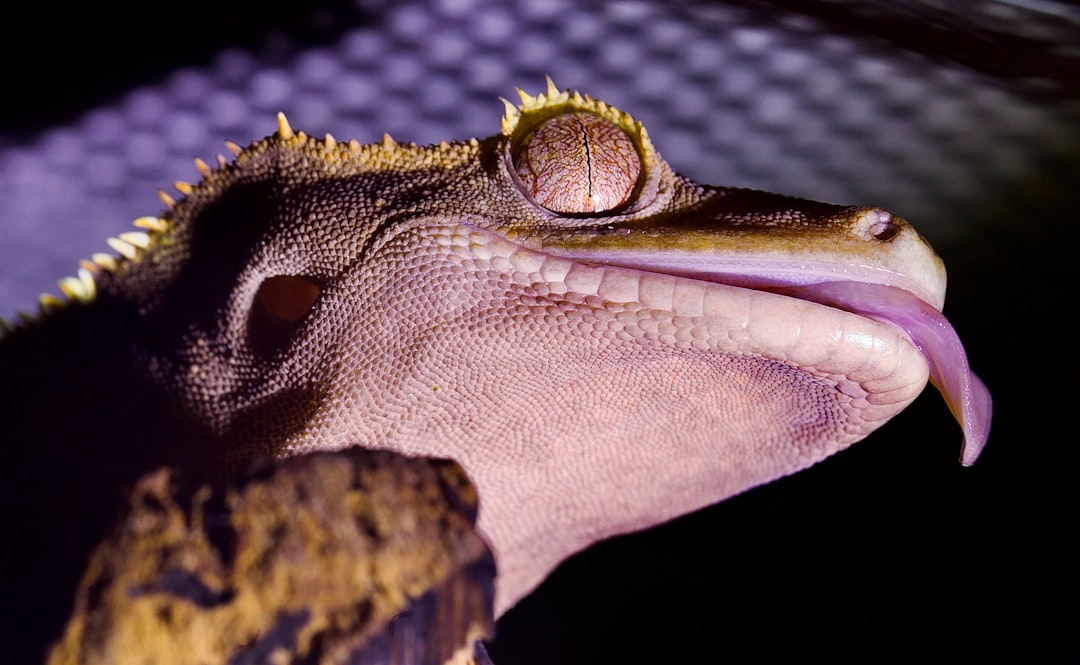
Photo by Andrey Tikhonovskiy on Unsplash
Why a Crested Gecko Losing Weight Is Never Something to Ignore
Crested geckos carry almost no fat reserves outside their tail base. A leopard gecko can draw down significant tail fat for weeks during a food refusal without falling into immediate danger; a crested gecko has no comparable buffer. Even a modest loss of 10–15% of body weight can move a small gecko toward a critical condition faster than keepers expect.
The benchmark most reptile veterinarians and experienced keepers use: weight loss exceeding 10% over two to four weeks, without an obvious and temporary cause, warrants investigation. For a 40-gram adult, that threshold is just four grams. For a juvenile at 8 grams, it is under one gram - quantities that feel invisible without a scale.
There is also a real cost to attributing a developing problem to normal variation for too long. The pattern most commonly described in keeper communities involves geckos that appeared to be eating - lapping at the glass after misting and visiting the food bowl occasionally - while actually consuming far less than their metabolic needs required. Caloric intake was below maintenance for weeks or months before anyone recognized the trend.
Checking weight weekly and recording the numbers, even in a simple phone note, gives you a trendline that a one-off weigh-in can never provide. If the gecko that weighed 41 grams eight weeks ago now weighs 36 grams, no behavioral observation is going to tell you that as clearly or as early as the scale will. That distinction - between what looks normal and what the data reveals - is the central reason regular weighing matters.
What Counts as Normal Weight Variation in Crested Geckos
Before treating every scale reading as a red flag, it helps to understand what healthy fluctuation actually looks like. Healthy adult crested geckos typically weigh between 35 and 55 grams, with females often running heavier due to reproductive cycling. Juveniles should be actively gaining weight at a steady rate; a juvenile holding steady or losing at any point is a concern, not a phase.
Documented normal fluctuation in healthy adults includes:
- Day-to-day variation of 1–3 grams, reflecting hydration status and gut contents. A gecko weighed before versus after feeding, or immediately after misting versus several hours later, will show differences that have nothing to do with underlying body condition.
- Seasonal weight dips of 3–6% in animals kept with natural temperature cycles, particularly in autumn and early winter when appetite typically decreases. As long as the animal returns to its previous weight range as temperatures warm, a modest seasonal dip alone is not alarming.
- A brief plateau or minor dip around a shed, during which many crested geckos reduce feeding temporarily.
The pattern that warrants action is not a single low reading but a sustained downward trend across multiple weeks without recovery. A 2-gram drop over one week followed by a return to baseline is normal variation. A 2-gram loss per week sustained for five consecutive weeks requires investigation. The distinction is the trend, not the number on any individual day.
Juveniles under 10 grams carry a particular risk. At that size, a single gram represents a meaningful percentage of body mass, and small animals have even less metabolic reserve than adults.
How to Track Your Crested Gecko’s Weight: A Step-by-Step Method
Accurate weight tracking does not require specialized equipment or significant time. It does require consistency and a method that controls for the variables that create misleading readings. The following approach gives you reliable, comparable data.
-
Use a digital scale with 0.1-gram resolution. Scales with 1-gram resolution are not precise enough for juveniles and miss meaningful changes in small adults. A compact kitchen or postal scale at the 0.1g level is inexpensive and does the job. Jewelry scales with 0.01g resolution also work but are not necessary.
-
Weigh at the same time of day, every session. Crested geckos are nocturnal, so early evening before their active period begins provides a consistent pre-feeding reference point. Avoid weighing immediately after misting, which adds surface moisture and can slightly inflate the reading.
-
Tare the container before placing the gecko. Use a small deli cup, lightweight plastic container, or paper bowl. Zero the scale with the container sitting on it, then place your gecko inside. The animal will be calmer enclosed than balanced on an open platform, producing a steadier reading with less stress.
-
Record every reading with the date. A phone note, spreadsheet, or reptile-tracking app all work. The critical requirement is a chronological record you can hand to a vet or review six weeks later.
-
Note context alongside each weight. Did the gecko eat last night? Has it recently shed? Are temperatures dropping? Context lets you distinguish normal variation from genuine decline and prevents misreading a post-shed dip as something more serious.
-
Calculate percentage change over two-week and four-week windows. A single number tells you far less than a trend. Divide the change in grams by the starting weight and multiply by 100. A consistent loss above 1% per week sustained over a month is a clear signal to investigate causes rather than continue monitoring.
Tracking environmental conditions alongside body weight is equally important, because temperature and humidity outside the ideal range are among the most common drivers of reduced appetite. The Govee Indoor Hygrometer Thermometer H5075 with Bluetooth App Control monitors both temperature and humidity and connects to a smartphone app via Bluetooth, so you can directly correlate environmental conditions with changes in your weight data. A single spot-check reading tells you where conditions are right now; app-logged data tells you where they have been over time, which is far more useful when explaining a weight trend.
The Most Common Causes of a Crested Gecko Losing Weight
Most unexplained weight loss in crested geckos falls into one of five categories. Identifying which applies to your animal directs you toward the right intervention rather than guesswork.
Diet Quality and Presentation
Crested gecko diet (CGD) is the most nutritionally complete staple option available when prepared and offered correctly. Problems arise from specific handling errors that result in a gecko that technically has food available but does not adequately consume it:
- Leaving CGD in the enclosure past 24–36 hours. The mix ferments at room temperature, changes texture, and becomes unpalatable - often before the keeper notices, particularly in warmer months when fermentation accelerates.
- Mixing to the wrong consistency. Too thick and the gecko cannot lap it efficiently; too thin and it separates into liquid and solids. Most manufacturers specify a ketchup-like texture because it is what geckos can consume most effectively.
- Using a powder that has been open longer than the manufacturer recommends. Oxidation degrades fat-soluble vitamins even when the product does not smell obviously off.
Replacing food every 24 hours eliminates the stale-food variable immediately. The Zoo Med Tropical Fruit Flavor Crested Gecko Food for Crested Geckos 2 oz in its small-format container means you are more likely to cycle through the product before oxidation becomes an issue rather than working from a large bag open for months.
Internal Parasites
Internal parasites, particularly pinworms and coccidia, are among the most common and underdiagnosed causes of slow weight loss in captive crested geckos. A gecko can carry a subclinical parasite load for months while appearing behaviorally normal, eating occasionally, and shedding without difficulty. The weight trend is sometimes the only visible indicator. Diagnosis requires a fecal float or direct smear performed by a reptile veterinarian; commercial dewormers sold for other species are not appropriate without a confirmed diagnosis and weight-based dosing from a vet.
Reproductive Stress in Females
Gravid females burn significant caloric reserves producing eggs. A female kept with a male year-round may produce multiple clutches per season and struggle to recover body weight between them. Separating breeding animals outside intended breeding periods is the most direct intervention.
Chronic Stress
Chronic stress from inadequate hides, high enclosure foot traffic, or cohabitation conflict suppresses feeding behavior. A gecko that has food available every night but spends its active period in a stress posture inside its hide is effectively not eating. Reviewing our guide on common crested gecko behavior will help you distinguish stress-driven hiding from normal daytime rest.
Underlying Illness
Metabolic bone disease from inadequate calcium, respiratory infection, and other systemic illness suppress appetite and drive weight loss as secondary effects. These require diagnosis by a reptile veterinarian and cannot be adequately managed at home.
Husbandry Factors That Drive Crested Gecko Weight Loss
Suboptimal husbandry is a quiet driver of weight loss precisely because it takes effect gradually with no single dramatic symptom. Temperatures consistently above 80°F cause thermal stress, accelerate metabolism, increase respiratory water loss, and suppress appetite. Temperatures persistently below 65°F slow digestion enough that a gecko which appears to be eating may fail to absorb adequate nutrition from what it consumes.
Humidity failures create a compounding problem. Crested geckos in the wild drink water droplets from foliage after nightly rainfall; in captivity they depend on enclosure misting to meet hydration needs. A chronically dehydrated gecko becomes lethargic, has difficulty shedding, and eats less as systemic dehydration suppresses normal behavior. Weight loss in this context reflects both reduced caloric intake and an ongoing fluid deficit. Nightly humidity should spike to 80–90% after misting and drop to 50–60% by morning, creating the wet-dry cycle that maintains respiratory and skin health. The REPTI ZOO 4L Reptile Fogger Mister Tank runs on a programmable timer - useful for keepers who are not reliably home at dusk every evening.
Pairing a fogger with a hygrometer that logs historical data lets you verify the enclosure is actually hitting target humidity at the right times rather than just approaching it. The guide on crested gecko humidity and temperature management covers both parameters and practical correction steps in detail.
Enclosure placement matters too. A tank positioned at eye level in a room with heavy foot traffic, or where the gecko sees its own reflection in a window, can sustain a low-grade alert state that suppresses feeding night after night without producing any obvious single behavioral abnormality.
Common Mistakes Keepers Make When a Crested Gecko Is Losing Weight
Assuming It Is Just a Phase
The most costly mistake is attributing a multi-week downward trend to seasonal changes, a recent rehome, or a suspected breeding cycle without making any concrete changes. Seasonal appetite reductions are real, but they should not produce more than a few grams of loss in a healthy adult, and the animal should recover weight as conditions normalize. If you are two to three months into what you have labeled a seasonal dip with no rebound, that explanation no longer fits the evidence.
Changing Too Many Variables Simultaneously
When a gecko is underweight, the instinct is to overhaul everything at once: new CGD brand, revised feeding schedule, added insects, new hides, reduced handling, and humidity corrections all within the same week. This makes it impossible to identify which variable was actually driving the problem. Adjusting one factor at a time with a two-week assessment window gives you actionable information rather than a confounded result.
Relying on Visual Assessment Alone
Prominent hip bones, a flattened tail base, and a visibly thin torso are late signs of a problem that has been developing for weeks or months. Keepers who skip weekly weighing routinely miss the early decline window that a scale would have flagged immediately. You cannot reliably detect meaningful weight loss by looking at a crested gecko until the deficit is already significant.
Treating Insects as a Fix for Caloric Deficit
Supplemental insects can revive feeding enthusiasm, but they are not a nutritionally balanced substitute for CGD. A gecko that eats crickets enthusiastically while ignoring its diet bowl may be gaining some calories while missing the calcium-phosphorus balance and vitamin A that a complete diet provides. According to the Merck Veterinary Manual’s coverage of reptile nutritional disease, nutritional deficiencies in captive reptiles are commonly linked to imbalanced diets rather than outright starvation. Continue offering CGD alongside feeders and confirm the gecko is consuming both.
Waiting for Additional Symptoms Before Acting
Weight loss with no other visible symptoms is already a symptom. Waiting for lethargy, abnormal shedding, visible skeletal changes, or respiratory signs before contacting a vet allows a correctable problem to progress into a more complex one. A weight trend that has crossed the 10% loss threshold over four weeks is, by itself, a sufficient reason to seek veterinary input rather than continue home monitoring.
When to Call a Vet About Crested Gecko Weight Loss
A reptile veterinarian should not be a last resort. Locating an experienced herpetological practitioner before an emergency arises is a practical habit worth building now. The Association of Reptilian and Amphibian Veterinarians maintains a searchable vet finder filtered by region and species expertise - considerably more reliable than a general web search for finding someone with genuine reptile experience.
Contact a vet promptly in any of these situations:
- Your gecko has lost more than 10% of body weight over two to four weeks with no identifiable husbandry cause
- Weight loss continues for more than two weeks after you have corrected a known environmental or dietary problem
- The gecko has not eaten at all for more than three weeks
- Weight loss is accompanied by other changes: mucus around the mouth or nostrils, labored breathing, abnormal stool color or consistency, soft jaw or limb bones, or unusual skin condition
- The gecko is a juvenile under 15 grams and has not gained weight in three consecutive weeks
- You suspect parasites based on soft, discolored, or unusually foul-smelling stool
- The animal is lethargic or hiding during what should be its normal active period on consecutive nights
Bring your weight log to the appointment. A vet who can see the rate and pattern of decline will diagnose faster and more accurately than one given only a current weight. A fecal exam is often the first diagnostic step and requires a fresh sample collected within 12–24 hours before the visit. For more on navigating reptile vet costs and what to expect at a first herpetology appointment, see our guide on reptile veterinary care and finding a herp vet on a budget.
Frequently Asked Questions
How much should a healthy adult crested gecko weigh?
Healthy adults typically fall between 35 and 55 grams, with females often at the heavier end due to reproductive cycling. Males commonly sit in the 35–45 gram range. The number that matters most, however, is not whether your gecko matches a population average but whether its weight is stable or trending upward over time. A gecko that has held 38 grams consistently for six months is in better condition than one that weighed 50 grams six months ago and now weighs 42 grams. Trend and consistency matter far more than any single target for the species, because individual variation within the healthy range is substantial.
Can a crested gecko recover from significant weight loss without veterinary treatment?
Recovery depends entirely on the underlying cause. If weight loss was driven by a correctable husbandry problem - stale food, inadequate humidity, or chronic temperature stress - and the animal is still eating, recovery after correction is often possible without a vet visit. However, parasites, metabolic bone disease, respiratory infection, and other systemic problems require diagnosis and treatment that cannot be managed at home. Attempting to treat a suspected parasite load with commercial dewormers sold for other species risks dangerous dosing errors and delays effective treatment. If two weeks of husbandry corrections produce no measurable weight recovery, a veterinary consult is the appropriate and most cost-effective next step.
Does a dropped tail cause significant weight loss in crested geckos?
Tail autotomy causes an immediate weight loss proportional to the tail’s mass. A larger adult losing a significant section of tail might drop 2–4 grams at once. Unlike many gecko species, crested geckos do not regenerate lost tails, making this a permanent structural change. Once the wound heals, a tailless gecko should resume normal weight maintenance if husbandry is appropriate. If weight loss continues after the autotomy site has healed, treat the ongoing decline as an independent issue rather than an expected consequence of the tail loss event.
How often should I weigh my crested gecko?
Weekly weighing is the practical standard for most adults - sufficient to catch a downward trend within two to three weeks of onset without being so frequent that normal day-to-day variation obscures the signal. Juveniles under one year benefit from twice-weekly weighing, because stalled weight gain is itself a health concern at that stage. If your gecko is currently underweight or you are actively investigating a health issue, daily or every-other-day weighing provides a more complete dataset to share with a reptile veterinarian if professional attention becomes necessary.
Conclusion
A crested gecko losing weight is a signal that deserves a prompt response the first time you observe a sustained downward trend - not after several more weeks of monitoring. The most common underlying causes - stale diet, husbandry gaps, and feeding frequency issues - are entirely correctable once identified and typically resolve within weeks of targeted changes. Parasites and systemic illness, however, will not resolve with home adjustments and continue doing damage until properly diagnosed.
Build the weighing habit now, before there is a problem. A consistent weekly log will answer more health questions about your gecko than any visual assessment, and it will make every future veterinary conversation significantly more productive. When the trend line goes down and does not recover, that is the moment to act rather than the moment to wait for a more dramatic symptom.
Found this guide useful? Bookmark it for your next weigh-in, or leave a comment below with how you track your geckos’ weight.