Quarantine Protocols: Introducing New Geckos Safely and Disease Prevention
This post contains affiliate links. As an Amazon Associate, I earn from qualifying purchases at no extra cost to you.
The costliest mistake in crested gecko keeping is not a bad enclosure or an overpriced morph. It is skipping quarantine. A new gecko can look plump, alert, and perfectly healthy on arrival while carrying intestinal parasites, an early respiratory infection, or mites that only surface once stress weakens its immune system. Put that animal straight into a room with your other geckos and you have given every pathogen a free ride into your whole collection.
The position here is simple. Every new reptile gets at least 60 days of strict isolation, and 90 days is the better standard if you keep several animals or plan to breed. Quarantine is not an insult to the seller. Shipping stress, a new environment, and hidden infections interact in ways nobody can judge by looking at a gecko in a deli cup. Veterinary references such as the Merck Veterinary Manual’s reptile section treat isolation of new arrivals as a core biosecurity step for exactly that reason.
This guide covers how long to quarantine, how to build an inexpensive isolation setup, a step-by-step routine, the health checks worth logging, and the mistakes that quietly defeat the whole system. It applies whether you are bringing home your first crested gecko or your fortieth.
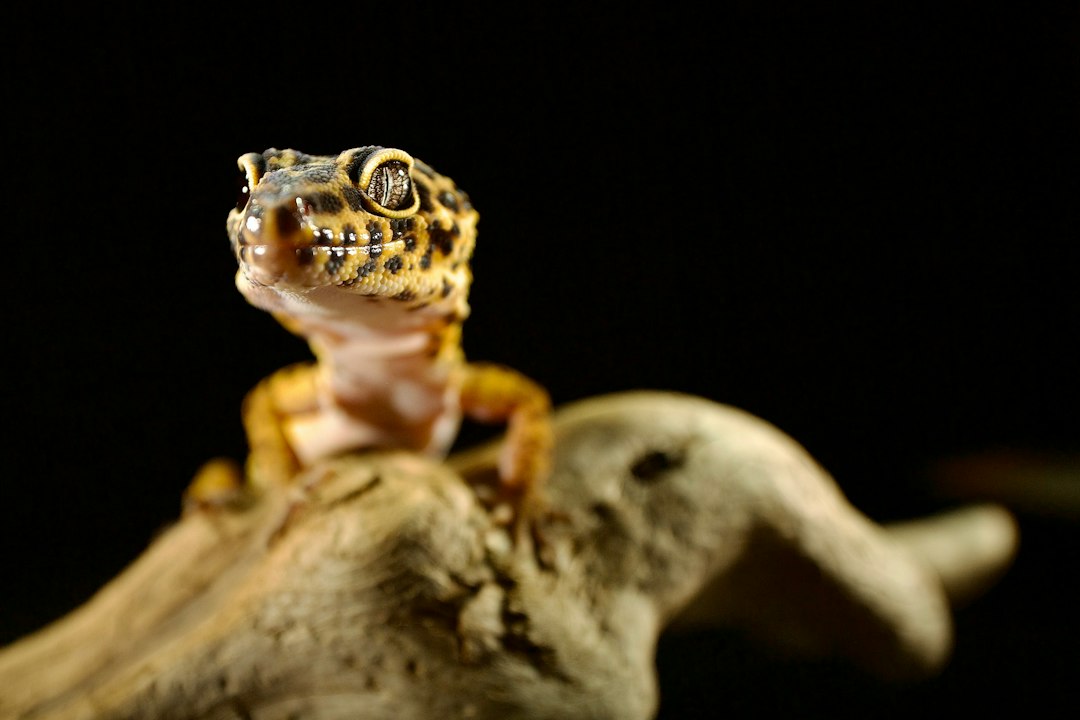
Photo by Andrey Tikhonovskiy on Unsplash
Why Quarantine Protocols Matter for New Crested Geckos
Crested geckos have a reputation as forgiving, beginner-friendly lizards, and that reputation is mostly deserved. It also creates a blind spot. Because cresties tolerate normal room temperatures and eat a prepared diet, keepers assume they are low risk and skip the biosecurity steps that snake keepers treat as routine. The trouble is that hardiness hides disease. A gecko can carry a parasite load for months without obvious symptoms, then decline quickly when a move, a shipping box, or a temperature swing suppresses its immune system.
What you are protecting against
The main threats to a crested gecko collection fall into a few groups:
- Intestinal parasites such as pinworms, coccidia, and flagellates, which spread through feces and contaminated surfaces. The guide to common reptile parasites covers identification and treatment in more depth.
- Respiratory and mouth infections, which are often bacterial and tend to appear when temperature, humidity, or stress are off.
- External parasites, mainly mites, which are less common in cresties than in snakes but spread quickly once established.
- Cryptosporidium, reported most often in leopard geckos, but a good reason to keep tools and surfaces strictly separate between species.
- Salmonella, which is a risk to you, not only to the animals. Reptiles can carry it without looking sick, so hand washing is part of the protocol.
How disease actually travels
Most keepers picture illness spreading when two animals touch. In practice it moves on the things around the animals: your hands, feeding tweezers, water dishes, spray bottles, drip trays, and the sleeve you brushed against a cage. Shared airspace matters far less than shared hands and tools. That is why a quarantine protocol is mostly a handling protocol, with a separate enclosure as the starting point rather than the whole plan.
The source of the gecko matters, but it never reduces the risk to zero. Expos, big-box stores, and auction sites concentrate animals from many origins and raise exposure. A respected breeder lowers the odds, yet shipping stress can unmask a latent problem in any animal. Quarantine also protects the newcomer by giving you a clean baseline of weight, appetite, and feces before anything else muddies the picture.
How Long Should Quarantine Protocols Last?
Treat 60 days as the floor and 90 days as the standard. Those numbers are a practical compromise. They are long enough for most intestinal parasite cycles to produce detectable shedding and for chronic respiratory or mouth problems to surface, and short enough that keepers actually finish the job. Some reptile veterinarians recommend even longer holds for species with slow-developing diseases, and snake keepers commonly use a six-month window. For crested geckos, 90 days is a sensible target if you own other reptiles, breed, or sell offspring. A single pet in a home with no other reptiles can reasonably stop at 60 days if every check is clean.
The clock is not fixed. If the gecko develops diarrhea, regurgitation, weight loss, or respiratory signs, restart the count after the treatment course ends and follow-up results look normal. A gecko that needs medication has not completed quarantine, no matter how many days have passed.
| Phase | Timing | Goal | What to do |
|---|---|---|---|
| Arrival and rest | Days 1 to 5 | Reduce stress | Quiet room, no handling, food and water offered, arrival weight recorded |
| Baseline | Days 5 to 21 | Establish normal | Weekly weigh-ins, daily appetite and feces log, first vet exam and fecal test |
| Observation | Days 21 to 45 | Catch slow-onset problems | Continue logs, watch at least one full shed, repeat fecal if advised |
| Verification | Days 45 to 60 | Confirm stability | Compare weights, review notes, second fecal if indicated |
| Extended hold | Days 60 to 90 | Extra margin for collections and breeders | Keep the strict routine, final vet check, release only when criteria are met |
Release criteria
Do not release a gecko because the calendar says so. Release it because it meets a checklist. A gecko is ready to join the collection area when it eats consistently, shows stable or rising weight across at least four consecutive weekly weigh-ins, produces normal feces for four weeks or more, completes sheds with no retained skin on the toes or tail, has clear eyes, nostrils, and mouth, and has at least one negative fecal exam, ideally two. If you used a veterinarian, ask for explicit clearance rather than assuming silence means approval.
Building a Quarantine Enclosure That Is Easy to Clean and Monitor
A quarantine enclosure is the opposite of a showpiece. Its job is to make illness visible and cleanup fast. Strip out everything that hides feces, holds moisture, or cannot be disinfected.
Keep the setup minimal
For substrate, use plain unscented paper towels, replaced whenever soiled. Feces are easy to spot and count, any odd color or consistency is obvious, and disposal takes seconds. Loose coco fiber and living bioactive systems are excellent for long-term housing, as the bioactive substrate guide explains, but they work against quarantine because they hide waste and cannot be cleaned out completely.
Furnish with non-porous or disposable items: a cork flat or plastic hide, artificial vines, silk or plastic plants, and a raised feeding ledge with a shallow water dish. Avoid collected branches and natural wood in quarantine, since they absorb moisture and resist disinfecting. For size, adults are commonly housed in enclosures around 18 by 18 by 24 inches, while juveniles can use something smaller and simpler for the duration of quarantine. Cresties are climbers, so height matters more than floor space.
Target daytime temperatures of roughly 72 to 78 degrees Fahrenheit and avoid sustained readings above the low 80s. Humidity of about 50 to 70 percent with a night misting that briefly pushes higher and then dries out is the usual pattern. The crested gecko humidity and temperature guide covers the details. If you use any heat source, a thermostat is non-negotiable, and the reptile thermostat guide explains which type fits.
Monitoring: log trends, not single readings
A dedicated sensor is worth the small cost because quarantine is built on records. The Govee H5075 hygrometer thermometer tracks temperature and humidity over Bluetooth and stores data you can export, which is useful when the quarantine room is down the hall and you want to confirm that overnight conditions stayed stable. Consumer sensors are not lab instruments, so treat readings as trends rather than exact values. Mount it away from direct spray to protect the sensor. Keep it in the quarantine area for good and wipe it down if it ever leaves. The roundup of digital thermometers and hygrometers compares alternatives.
Lids and optional humidity gear
The Exo Terra Hinged Terrarium Screen Cover is sized for 60 breeder and 75 gallon tanks, with a hinged opening that makes feeding and cleaning easy access. The honest caveat is that a 48-inch horizontal tank is not an ideal crested gecko home. This cover makes sense only if you already own a matching glass tank you can stand up or fill with vertical branches. Screen tops also bleed humidity, so cover part of the mesh with a sheet of plexiglass or foil if readings stay low.
The Zoo Med Repti Fogger is optional. Hand misting handles most crested gecko setups, and a fogger adds one more piece of equipment to clean between animals. It earns a place only if the quarantine room or tub cannot hold humidity on its own. Use clean water, drain it after use, and never let it run continuously, because constant dampness and stagnant reservoirs invite bacterial growth.
Safety note: Disinfectants and plug-in equipment both carry risk. Use only reptile-safe or veterinary disinfectants, follow the label for dilution and contact time, rinse, and let everything dry fully before the gecko goes back in. Never mix bleach with ammonia-based or acidic cleaners, and ventilate the room while you work. Plug foggers and heaters into a GFCI-protected outlet, keep cords above water level, and unplug devices before handling them. Wash your hands thoroughly after any contact with a reptile or its enclosure.
Step-by-Step Quarantine Protocols for a New Gecko
The routine below works for one gecko or ten. Follow the order, because the order is where most biosecurity is won or lost.
- Build and test the enclosure before arrival. Run it for at least 24 hours with a thermometer and hygrometer in place. Confirm temperatures, check for gaps a gecko could squeeze through, and make sure the lid latches.
- Choose the quarantine location. A separate room with a closed door is best. If you have no spare room, use the spot farthest from your other animals, never the same rack or shelf. The dedicated reptile room guide shows how to organize a space like this.
- Assemble dedicated supplies. Set aside feeding tweezers, dishes, a spray bottle, a scale, and a labeled bin of cleaning gear that never leave the quarantine area. Color-coding with tape prevents mix-ups.
- Unbox and inspect in the quarantine area. Open the shipping container where the gecko will live, not in the main reptile room. Photograph the animal, check eyes, nostrils, mouth, toes, tail, and vent, and look for mites around the eyes and skin folds. Bag and discard packing material outside the house.
- Let the gecko rest for three to five days. Offer food and water, mist in the evening, and leave the animal alone. Handling can wait until it is eating normally. The guide to safely handling and taming a new reptile explains how to start.
- Record a baseline weight. Weigh on a gram scale on day one and at the same time each week. A reliable scale makes small changes visible, and the best gram scales for weighing geckos lists options.
- Book a veterinary exam and fecal test within the first few weeks. Bring a fresh sample in a sealed container and keep it cool. The post on finding a herp vet on a budget helps if cost is a concern, and the Association of Reptilian and Amphibian Veterinarians maintains a directory of qualified vets.
- Follow the order of care every day. Tend your established animals first and the quarantined gecko last. Wash hands and forearms with soap afterward, and do not return to the main collection until you have. Never carry tools from quarantine into other enclosures.
- Log everything and decide on release. Record appetite, feces, weight, sheds, and any unusual behavior. At the end of the hold, compare the record to the release criteria, then disinfect the enclosure, tools, and scale before storing or reusing them.
Health signs worth logging
Daily notes take less than a minute and make patterns obvious. Track whether the gecko ate, how much, and whether feces were well formed, with a dark portion and a white urate portion. Note any stringy, watery, foul-smelling, or discolored stool. Record shed dates and any retained skin on toes or the tail tip, since the crested gecko molting troubleshooting guide explains how to respond. Watch for bubbles or mucus at the nose, wheezing, rubbing at the face, cloudy eyes, a swollen jaw, or a gecko that sits on the cage floor in daylight hiding.
Weight is the most useful single number. A practical rule is to contact a vet if a gecko drops 10 percent or more from baseline or fails to gain as expected, and the guide to crested gecko weight loss walks through causes and tracking.
When to call a reptile vet
Do not wait out the hold if you see open-mouth breathing, clicking or wheezing, bubbles at the nostrils, a prolapse, a swollen or deformed jaw, repeated vomiting, or runny feces that last more than a couple of days. Rapid weight loss and refusal to eat for more than two weeks also warrant a call. Isolate, document with photos, and ask about treatment before trying anything yourself.
Common Quarantine Mistakes to Avoid
Most quarantine failures are not dramatic. They are small shortcuts that feel harmless and quietly defeat the system.
- Ending quarantine because the gecko looks great. Appearance is the least reliable indicator of health. Release is based on records and test results, not on how handsome the animal appears.
- Treating one negative fecal as clearance. Parasites shed intermittently, so a single clean sample can miss an infection. Follow your vet’s advice on repeat testing.
- Caring for the new gecko first. Handling quarantine animals before established ones carries pathogens straight to the healthy collection. Always go in order from healthy to quarantined.
- Sharing tools “just this once.” One pair of tweezers, one spray bottle, or one water dish crossing over undoes weeks of isolation. Dedicate gear and keep it in the quarantine area.
- Using porous or living decor. Natural wood, deep coco substrate, and live plants hide feces and cannot be fully disinfected. Save them for after release.
- Skipping the baseline weight. Without a starting number you cannot tell whether a gecko is declining, so the first weigh-in matters.
- Overusing humidity gear. Constant fogging or soaking the cage produces stagnant moisture and bacterial growth, which can cause the very problems you are trying to detect. Aim for a wet and dry cycle.
- Self-medicating. Over-the-counter dewormers or leftover antibiotics can mask symptoms or harm the gecko. Let a reptile veterinarian choose any treatment.
- Trial-housing two geckos together. Cohabitation during quarantine merges two health records into one and can spread disease between animals in a day.
FAQ
Can I quarantine a new gecko in the same room as my other geckos?
You can, but a separate room is meaningfully safer, and it should be your first choice if you have one. Pathogens that spread on hands, tools, and splashed water are a bigger concern than airborne transmission, so a shared room works only if you enforce strict habits. Keep the quarantine enclosure as far from the others as possible, never on the same rack, and never let spray bottles, dishes, or tweezers cross over. Always care for the established animals first, then tend the quarantined gecko last and wash up afterward. In a shared room, discipline is the real barrier.
Do I need a fecal test if my new gecko looks healthy and eats well?
Yes, a fecal exam is the cheapest way to catch what your eyes cannot. Many intestinal parasites cause no obvious symptoms until the gecko is stressed or the load becomes heavy, so an animal that looks round and eats well can still be shedding eggs or oocysts. A veterinarian can run a fecal float and a direct smear, and can tell you whether anything needs specialized testing such as PCR. Because parasites shed intermittently, one negative result is reassuring but not conclusive. Plan on a first sample within the first few weeks and a follow-up if your vet recommends one, especially before the gecko joins a collection.
Does a gecko from a reputable breeder still need quarantine?
Yes, although the risk is lower than with animals from expos, big-box stores, or auctions. A reputable breeder reduces the odds of a problem, but it cannot guarantee that a gecko is free of parasites or that shipping stress will not unmask a latent infection. Transit exposes animals to temperature swings and handling, and a gecko may be incubating something that only appears weeks later. The protocol also protects the newcomer by giving you a clear baseline of weight and feeding history. A shorter hold of 60 days may suit a single pet, but skipping isolation is hard to justify when you already own other reptiles.
Can I house two crested geckos together after quarantine ends?
Most keepers and veterinary sources favor housing crested geckos individually, and finishing quarantine is not a reason to change that. Adult males fight, females can bully one another, and a weaker gecko may stop eating without the owner noticing which animal is feeding. If you do keep a compatible group of females in a large enclosure, quarantine them together only if they already lived together, and complete the full hold before adding anyone new. Never trial-introduce geckos to see how it goes. Cohabitation also makes it harder to track individual feces and weights, which is exactly the data quarantine is meant to produce.
Conclusion
Quarantine works because it replaces guesswork with evidence. Sixty to ninety days of isolation, a bare-bones enclosure, a dedicated set of tools, weekly weigh-ins, and a fecal test turn an unknown gecko into a known one. The cost is a few paper towels, some patience, and a vet visit. The payoff is a collection that stays healthy and a new animal that gets treated early if something is wrong.
Your next action is concrete. Before the next gecko arrives, set up a simple quarantine enclosure with paper towels, test it for 24 hours, buy or borrow a gram scale, and book the fecal appointment. Then write the release criteria on a card and tape it above the cage.
Bookmark this guide for the next time a new gecko is on the way, and leave a comment describing your own quarantine setup.
Related reading