Crested gecko tail loss and regeneration timeline and care
This post contains affiliate links. As an Amazon Associate, I earn from qualifying purchases at no extra cost to you.
You walk up to the enclosure and find a wriggling tail on the substrate and a gecko with a blunt, rounded rear end. Your first instinct is probably to start Googling “regeneration timeline.” Here is the answer up front: crested geckos drop their tails as a defense, and they do not grow them back. The stump heals, rounds off, and the animal carries on, often with no lasting harm.
That is the opposite of what leopard gecko owners experience, and it is why so much of the advice floating around is misleading. Tail loss in a crested gecko is a permanent cosmetic change and a short-term husbandry challenge. Your job is to keep the wound clean, keep the animal eating and hydrated, and watch for the handful of signs that mean an infection or retained tissue needs a vet.
This guide covers why tails drop, what the healing timeline looks like week by week, exactly what to do in the first 48 hours, how to adjust the enclosure, and which mistakes cause the most trouble. My position is simple: most tailless cresties recover without drama if you keep things boring, clean, and stable.
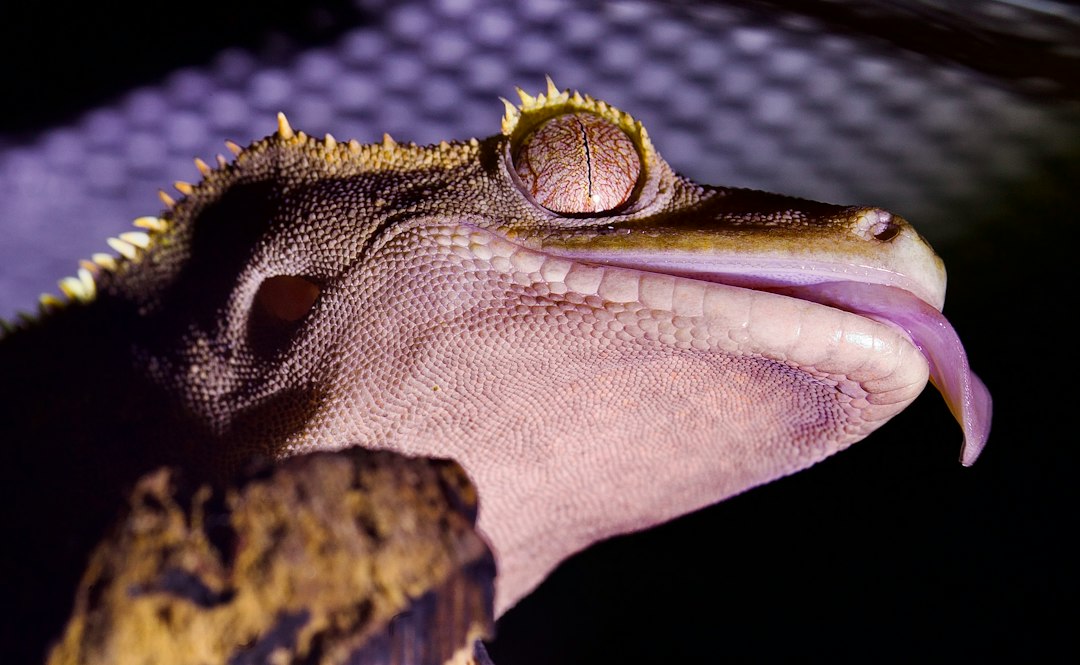
Photo by Andrey Tikhonovskiy on Unsplash
Why Crested Gecko Tail Loss Happens (and Why It Is Permanent)
Tail dropping is called caudal autotomy. The tail separates along a pre-formed fracture plane between vertebrae, and muscle contraction at the break pinches off blood vessels so bleeding is usually minimal. The detached tail keeps twitching for a while, which distracts a predator while the gecko escapes. It is a survival tool, not an injury in the usual sense.
Many lizards regrow a replacement. Leopard geckos are the classic example, producing a stubby cartilage-based regrowth. Crested geckos are different. Rhacodactylus species, which now includes the crested gecko under the genus Correlophus, are widely documented as unable to regenerate the tail. The stump heals over, and that is the end of it. Some keepers report a small nub or slight bump developing at the end of the stump, but this is scar tissue and healing contour, not a regrown tail. Anyone selling you a regrowth timeline for a crestie is describing a different species.
Common triggers
In captivity, tails come off for a handful of predictable reasons:
- Rough or restrained handling. Grabbing, pinching, or holding the tail is the number one cause.
- Cage mates. Housing adults together leads to tail nipping, and I would not keep adults together at all.
- Falls and snags. A tail caught in a mesh edge, a decoration gap, or a lid can detach.
- Shedding trouble. Retained shed constricting the tail base can cut circulation and lead to a drop. If you see stuck shed on the tail, the crested gecko molting troubleshooting guide walks through safe fixes.
- Stress and startling. Sudden movement, a hand coming from above, or a cat staring through the glass can trigger a drop in a nervous animal.
What the tail is worth
Leopard geckos store a lot of fat in the tail, which makes losing it a nutritional event. Crested gecko tails also hold some fat reserve, but they are thinner, and a healthy tailless crestie does not need special metabolic support. It does need steady feeding while the stump heals, which we will cover below. Tailless cresties, sometimes nicknamed “frogbutts,” are common in the hobby and breed, feed, and live full lives. The main practical consequence is that many keepers find them slightly less agile on smooth surfaces, since the tail is semi-prehensile and helps with grip and balance.
Crested Gecko Tail Regeneration Timeline: What Healing Actually Looks Like
Because there is no true regeneration, the useful timeline is a wound-healing timeline. Exact speed varies with age, hydration, nutrition, and enclosure cleanliness, so treat the ranges below as typical patterns reported by keepers and reptile veterinary references rather than guarantees.
| Stage | Typical timing | What you will see | What you should do |
|---|---|---|---|
| Immediate drop | Minutes to hours | Small amount of blood or clear fluid, exposed tissue at the stump, detached tail twitching | Remove the tail, switch to paper towel, minimize handling |
| Wound sealing | Days 1 to 7 | Tissue dries and forms a scab or darker cap, gecko may be sluggish or eat slightly less | Spot clean daily, keep humidity cycling normally, monitor appetite |
| Early healing | Weeks 1 to 3 | Scab flakes off, pink or tan skin covers the end, stump rounds slightly | Weigh weekly, keep paper towel until fully sealed |
| Shaping | Weeks 3 to 8 | Stump smooths into a rounded or tapered nub, skin matches body color over time | Return to normal substrate once fully closed and dry |
| Settled | Weeks 8 to 12 and beyond | Permanent rounded end, sometimes a small bump, no new growth | Resume normal routine, consider a shed check |
The key reassurance is in the middle rows. Dark, dry, and crusty is normal as the stump seals. What is not normal is wet, swollen, foul smelling, or red and angry around the edges. We will cover those red flags in the vet section.
Youngsters generally seal and round off faster than older adults, partly because they are growing and partly because they eat more per gram of body weight. Whatever the age, the next shed or two often tidies the stump noticeably, because the old, dried skin sloughs off and the new skin underneath looks smoother.
One more point about expectations: do not wait for regrowth to decide the animal is “done” healing. Judge healing by the wound, not by tail length. A closed, dry, pink-to-tan stump with a normal appetite means the animal is recovered.
First 48 Hours After Crested Gecko Tail Loss: Step-by-Step Care
The first two days are about calm and cleanliness. You are not trying to treat anything dramatic. You are trying to prevent contamination of a small open wound and avoid stressing a startled animal.
- Stay calm and do not chase the gecko. Let the animal settle in a hide. Handling a freshly dropped tail adds stress and risks pulling debris against the stump.
- Remove the detached tail. It will keep moving for a few minutes. Pick it up with a clean tool or gloved hand and discard it. A decaying tail left in the enclosure invites bacteria and ants or feeder insects.
- Swap bioactive or loose substrate for plain paper towel. Coco fiber, moss, and soil particles stick to a wet stump. Unprinted paper towel is easy to inspect and replace. If you keep a bioactive setup, move the gecko into a temporary tub or the enclosure with a paper towel floor rather than trying to sterilize a planted substrate. For a refresher on what each substrate does, see the best substrates for crested geckos guide.
- Check for active bleeding. A tiny amount of blood or clear fluid is normal. If the stump is oozing steadily after about 15 minutes, apply very gentle pressure with a clean damp cotton swab and call a reptile vet.
- Keep the enclosure at normal temperatures and humidity. Crested geckos do best in the low to mid 70s Fahrenheit with a nightly humidity rise. Avoid anything over about 82 degrees, which stresses the animal and dries out the wound area.
- Spot clean daily. Replace paper towel as soon as it is soiled with feces or urates. Wipe the glass if the gecko has been on it and left residue.
- Offer food, but do not force it. Many cresties eat normally within a day or two. Offer their usual crested gecko diet in the evening and do not hand-feed unless a vet advises it.
A word on topical treatments: I do not recommend putting ointment, antiseptic, or home remedies on the stump without a reptile vet telling you which product and strength to use. Some human products, including certain antibiotic creams with pain-relief ingredients, are not appropriate for reptiles, and a gecko will lick or rub whatever you apply. If the wound looks dirty, a vet can give you a specific protocol.
Safety note: a tail drop is usually harmless, but any animal showing heavy bleeding, bone protruding, sudden lethargy, or inability to climb should see a reptile vet promptly. The Association of Reptile and Amphibian Veterinarians lists members who can help you find one, and our guide to finding a herp vet on a budget covers cost-saving options.
Enclosure Setup for Healing a Tailless Crested Gecko
You do not need a new setup for a tailless crestie, but a few adjustments reduce risk while the stump closes. The principle is the same one that applies to any recovering reptile: simplify, keep it clean, and keep conditions steady.
Substrate and furniture
Use plain paper towel until the stump is dry, closed, and no longer tacky. Then reintroduce your normal substrate. Remove sharp or rough decor that the animal could scrape the stump on, such as jagged cork edges or wire mesh gaps. Keep plenty of vertical foliage and wide ledges so the gecko can climb without needing to wrap the tail around something. Tailless cresties tend to misjudge jumps slightly, so avoid leaving long drops onto hard surfaces and keep a hide at several heights.
Temperature and humidity
Aim for daytime temperatures between 72 and 78 degrees Fahrenheit and a nighttime drop of a few degrees. Humidity should cycle: a heavy misting in the evening that pushes humidity into the 70 to 80 percent range, then drying to roughly 50 percent during the day. Too dry and the wound can crack and delay closure. Too wet and constantly damp, and you encourage bacterial growth on the stump and paper towel.
Instead of guessing, use a digital gauge. The Zoo Med Labs Digital Thermometer Humidity Gauge, Single (TH-31) is a digital thermometer and humidity gauge. Place the probe at mid-height on the cool side, away from the mister nozzle, so you are measuring the air your gecko actually breathes. If you want to compare other models, the best digital thermometers and hygrometers for reptile enclosures roundup breaks down accuracy and probe placement.
If hand-misting is hard to schedule while you are also doing daily wound checks, a fogger can help stabilize evening humidity. The Zoo Med Repti Fogger is a fogger that adds mist to raise humidity. Use it with clean water, run it in short bursts, and verify results on your gauge so you do not oversaturate a paper towel floor. For broader environmental targets, see the crested gecko humidity and temperature management guide.
Lighting and stress
Low-level UVB is optional for crested geckos but widely considered beneficial by many keepers, and it should not change during recovery. What matters more is a consistent day and night cycle and a quiet room. Cover part of the enclosure with a plant or background so the gecko has visual security, and place the enclosure away from foot traffic, other pets, and loud electronics.
Feeding and Supplements During Recovery
Feeding is where most of your recovery effort should go. A crestie that eats and drinks well will heal faster and rarely develops complications. A crestie that stops eating for more than a week or two deserves a closer look.
What to expect
Appetite often dips for a few days after a drop. That is normal. Offer fresh crested gecko diet each evening and remove uneaten food after 24 hours, because spoiled diet attracts fruit flies and bacteria. Keep portions modest and consistent, then increase if your gecko is cleaning the dish. For portion guidance by age, the crested gecko feeding schedule guide gives specific numbers.
Insects can encourage a hesitant eater. Small, appropriately sized dubia roaches or crickets, offered once or twice a week and dusted lightly, give protein and movement that stimulate a hunt response. Remove any live prey that is not eaten within a few hours so it cannot nibble the healing stump. See our list of live insects to feed crested geckos for safe choices.
Calcium and vitamins
A complete crested gecko diet already contains calcium and vitamins, so you do not need to pile on extra powders. If you feed insects, dusting them is still standard practice. Repashy Calcium Plus 6 oz JAR is a calcium supplement that many keepers use for dusting feeders. Follow the label directions and keep dusting light and occasional, because over-supplementing can cause its own problems. If you are weighing different products, the best calcium and vitamin supplements for crested gecko nutrition comparison explains when each type makes sense.
Track weight
Weigh your gecko weekly during recovery using a gram scale. A healthy adult crestie typically falls roughly in the 35 to 55 gram range, though frame size varies. What matters is the trend, not a single number. A drop of more than about 10 percent over a couple of weeks, or steady loss with no recovery, is a reason to call a vet. Our guides on body condition scoring and the best gram scales for geckos will help you judge what you see.
Common Mistakes and Problems After Tail Loss
Most tail-loss complications are self-inflicted, and almost all are avoidable. These are the mistakes that cause the most trouble.
Handling too much, too soon. Keepers often pick up a tailless gecko to inspect the stump, which stresses the animal and can reopen a sealing wound. Look through the glass with a flashlight instead. Limit handling until the stump is dry and closed, and let the gecko decide when it is ready to be handled again.
Leaving loose substrate in place. Coco fiber, bark, and sphagnum stick to a moist stump and can introduce bacteria. Paper towel is unglamorous, and it is the right call for the first few weeks.
Applying home remedies. Hydrogen peroxide, alcohol, and certain creams can damage tissue and slow healing. If a vet recommends a diluted antiseptic or topical, follow the exact instructions. Otherwise, leave the stump alone.
Letting humidity run constantly wet. A soaked paper towel floor and no dry period breeds bacteria. Aim for the evening spike and daytime dry-down described above, and confirm it with a gauge rather than guessing.
Ignoring appetite and weight changes. A gecko that refuses food for several days plus shows weight loss is telling you something. Do not wait for a visible wound problem before acting. Persistent anorexia in a tailless gecko can signal infection, dehydration, or an unrelated illness, which is why the crested gecko weight loss guide is worth bookmarking.
Assuming the tail will regrow and waiting. Some keepers delay vet care because they believe a stump is “just the regeneration process.” A true crestie stump never regenerates, so persistent swelling, discharge, or an open wound is never normal waiting-room behavior.
Housing with another gecko. A healing animal that shares space with a cage mate risks more nipping and stress. Separate them until healing is done, and ideally keep adults solo long term.
Troubleshooting quick reference: if the stump stays moist and tacky past two weeks, the paper towel is damp, or the gecko keeps rubbing the area, reduce humidity slightly during the day, replace the paper towel twice daily, and book a vet visit if there is no improvement in a few days.
When to Call a Reptile Vet
Most tail drops need no veterinary visit. Some do, and the signs are fairly clear. Contact a reptile-experienced vet if you see any of the following:
- Swelling, redness, or heat around the stump that spreads toward the vent or hind legs
- Pus, yellow or green discharge, or a foul smell
- A stump that remains open and wet after two weeks
- Visible bone, a dark or black dying section above the break, or a partial break where the tail hangs by a thread
- Lethargy, repeated refusal of food for more than a week, or noticeable weight loss
- Inability to climb or use the hind legs normally
- Heavy or persistent bleeding
A partial or incomplete drop deserves special mention. If the tail is hanging by tissue, resist the urge to pull it off yourself. A vet can remove it cleanly under controlled conditions, which usually causes less trauma than a home attempt. The Merck Veterinary Manual’s section on reptile care is a useful reference for understanding how clinicians approach wounds and infection in reptiles, and it can help you ask better questions at the appointment.
Call ahead and confirm the clinic treats reptiles. Many general practices do not, and an exotic-trained vet can decide whether an exam, culture, or antibiotics are warranted.
Crested Gecko Tail Loss FAQ
Will my crested gecko’s tail grow back?
No. Crested geckos do not regenerate their tails. After the drop, the stump seals, scabs, and rounds off over several weeks, and some animals develop a small bump from scar tissue, but no new tail grows. This differs from leopard geckos, which regrow a shorter, blunt replacement. The good news is that tailless cresties live normal lives, eat normally, and breed without problems. Their tails help with balance and grip, so give a tailless gecko stable climbing surfaces and avoid long drops onto hard floors. If you see anything described as regrowth, such as swelling, a lump, or discharge, have a reptile vet look at it rather than assuming it is normal.
How long does a crested gecko tail wound take to heal?
Most stumps seal within about a week and look closed, dry, and rounded in three to eight weeks. Young, well-fed geckos tend to heal faster than older or underweight animals, and a clean enclosure with stable temperature and humidity speeds things along. Expect a dark scab at first, then pink or tan skin as it flakes off, and a smoother stump after the next shed. If the stump is still wet, tacky, or open after two weeks, or if it looks worse instead of better, treat that as a reason to book a vet visit rather than waiting for it to resolve on its own.
Is a tailless crested gecko less valuable or less healthy?
A tailless crestie is just as healthy as a tailed one once the wound has closed. Pet owners often value their geckos for personality and care history rather than appearance, so the practical difference is small. For breeders, a missing tail may reduce sale price, since a full tail is considered part of the animal’s visual appeal, but it does not affect fertility or health. Many keepers prefer tailless geckos because they are often priced lower and make equally good pets. Always disclose tail status when buying or selling, and examine the stump for signs of infection before you purchase a tailless animal.
Crested gecko tail loss looks alarming and almost never is. The tail will not regenerate, so stop watching the calendar for regrowth and watch the stump and the animal instead: dry, closing, rounded, and a gecko that eats and climbs normally. Keep the enclosure on paper towel, hold temperatures in the low to mid 70s, run an evening humidity spike, and handle as little as possible. Weigh weekly, and call a reptile vet if you see swelling, discharge, a wound that stays open, or a gecko that stops eating.
Your next action tonight: check the stump with a flashlight, swap in clean paper towel, and write down today’s weight so you have a baseline.
If this guide helped, bookmark it for the next time a gecko drops a tail, and leave a comment with questions about your own recovery.