Common Crested Gecko Health Problems: Signs, Causes, and Care
This post contains affiliate links. As an Amazon Associate, I earn from qualifying purchases at no extra cost to you.
Crested geckos are hardy compared to many reptiles, but that does not mean they are immune to health issues. In my experience keeping and breeding crested geckos, knowing what a sick gecko looks like - and catching problems early - makes the difference between a straightforward vet visit and a serious emergency. This guide covers the most common crested gecko health problems I have observed, what causes them, and what you can do about each one.
Safety Note: If your crested gecko shows sudden changes in behavior, significant weight loss, labored breathing, or neurological symptoms such as tremors or inability to right itself, treat it as an emergency and contact a reptile-experienced veterinarian immediately. Do not attempt to diagnose or treat serious conditions at home.
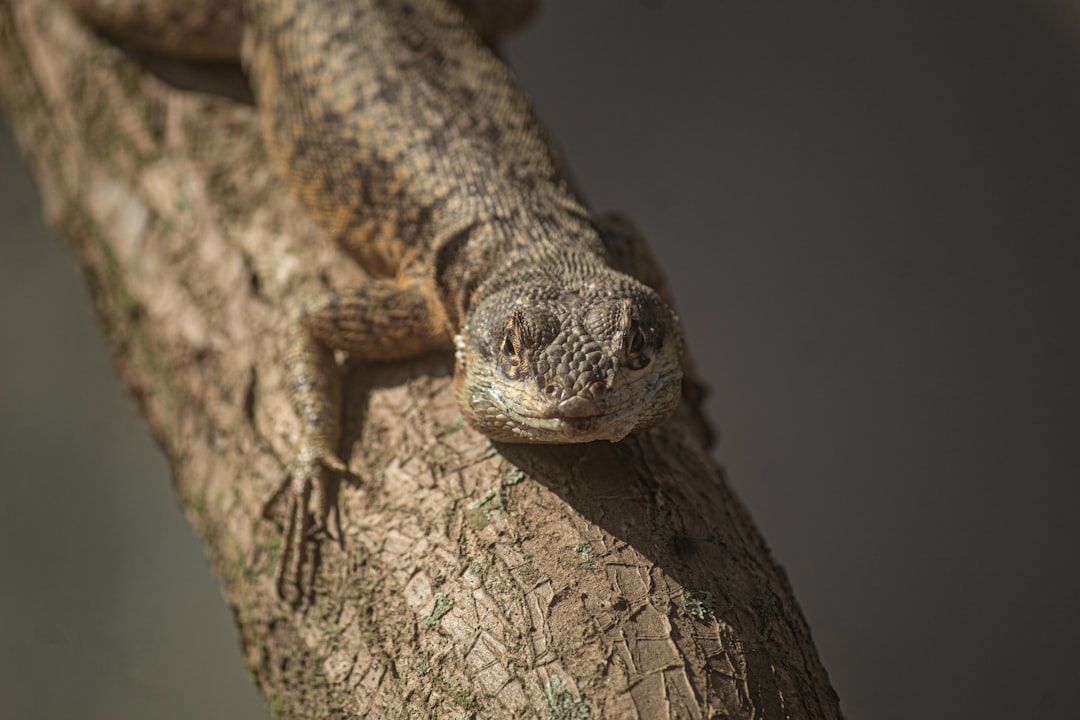
Photo by Sara Gomes on Unsplash
Respiratory Infections
Respiratory infections (RIs) are one of the more common issues I see in crested geckos, and they are almost always tied to husbandry problems - specifically low temperatures, excessive humidity, or a wet enclosure with poor airflow.
Signs to watch for include wheezing, clicking, or labored breathing, open-mouth breathing, mucus around the nostrils or mouth, and a sudden drop in activity level. These are not subtle signs - a gecko with an RI looks and sounds unwell.
Crested geckos do best with nighttime temperatures in the low 70s Fahrenheit (around 70-72 degrees) and daytime temperatures no higher than 80 degrees. If your enclosure runs cold or stays waterlogged after misting, you are creating conditions that favor bacterial infections. I recommend checking temperatures and humidity daily using a reliable digital thermometer and hygrometer combo to catch drift before it causes problems. More detail on setting up the right environment is in my crested gecko temperature and humidity guide.
Treatment for respiratory infections requires a veterinarian. Do not try to address suspected bacterial infections with over-the-counter products. A vet will typically prescribe antibiotics after a physical exam, and in some cases a culture and sensitivity test if the infection is not responding to first-line treatment.
Metabolic Bone Disease
Metabolic bone disease (MBD) is caused by a calcium and phosphorus imbalance, typically the result of inadequate calcium supplementation, too little vitamin D3, or insufficient UVB exposure. I have found MBD to be more common in juvenile geckos, probably because their bones are still developing and deficiencies show up faster.
Early signs include a soft or rubbery jaw, tremors or muscle twitching, and difficulty gripping - the gecko may fall from branches or fail to climb normally. Curved limbs or spine are signs of advanced disease. By the time spinal deformities are visible, significant damage has already occurred.
Geckos fed a complete diet like Pangea or Repashy get a reasonable baseline of calcium, but I still dust live feeders with a calcium with D3 supplement every 2-3 feedings as insurance. If you are not providing any UVB lighting, the vitamin D3 in the diet becomes even more critical - I cover this in detail in my post on whether crested geckos need UVB lighting.
Mild MBD caught early can sometimes be reversed with corrected supplementation and proper UVB exposure. Moderate to severe cases need veterinary care. Liquid calcium supplements may be prescribed for geckos that cannot eat normally.
Impaction
Impaction occurs when a gecko ingests substrate material it cannot pass. This is more of a risk with loose particle substrates - coarse sand, bark chips, or gravel - than with bioactive setups that use fine organic material or simple paper towel liners.
Signs of impaction include no defecation for a week or more, visible bloating, a firm abdomen, loss of appetite, and straining without passing waste. If you notice these together, take them seriously.
In my experience, the best prevention is avoiding loose particle substrates for juvenile crested geckos entirely. Adults in properly set up bioactive enclosures with fine-particle mixes - coconut fiber, organic topsoil, fine horticultural sand - tend to have much lower impaction risk because the material is small and usually moist. A warm 15-minute soak can sometimes help pass a minor blockage, but a vet visit is the right call if symptoms persist beyond 24-48 hours or if the gecko appears visibly bloated.
Stuck Shed (Dysecdysis)
Retained shed is one of the most common crested gecko health problems I deal with on a regular basis, and it is almost always a humidity issue. Crested geckos need humidity in the 60-80% range - with lower readings overnight - to shed cleanly. When humidity is consistently low, the old skin dries out and sticks instead of peeling away.
The most dangerous area for stuck shed is around the toes. Constricted old skin cuts off blood flow and can lead to the loss of a digit within just a few days. I check each of my geckos closely after every shed, paying particular attention to the toes, eyelids, and tail tip.
To help a gecko with retained shed, increase humidity in the enclosure and add a humid hide - a small container with damp sphagnum moss works well. For stuck shed on toes specifically, soak the gecko in shallow warm water for about 10 minutes, then very gently roll the shed off with a damp cotton swab. Never pull dry shed off forcibly. My full guide on crested gecko shedding covers normal shed timelines and what to do when things go wrong.
Mouth Rot (Infectious Stomatitis)
Mouth rot is a bacterial infection of the gum tissue and mouth lining. It often starts after a minor mouth injury - a bite from a feeder insect, a scrape against rough decor - that becomes infected. Stress and suboptimal husbandry lower immune function and make geckos more susceptible.
Signs include redness or swelling around the lips or inside the mouth, yellowish or cheesy-looking discharge, reluctance to eat, and the gecko holding its mouth slightly open. The discharge has a distinctive look and should not be confused with normal mucus.
Mouth rot requires veterinary treatment. The vet will typically flush the affected tissue and prescribe antibiotics. In mild cases caught early I have seen geckos recover fully, but untreated mouth rot spreads rapidly and can become a systemic infection. Early intervention is essential.
Parasites
Internal and external parasites are most commonly introduced through wild-caught feeder insects or contact with infected geckos. Pinworms are fairly common in crested geckos and do not always cause noticeable symptoms, but a heavy load can lead to weight loss, lethargy, and abnormal stools.
External parasites like mites show up as tiny moving specks, often concentrated around the eyes, ear openings, or under scale folds. If you spot mites on one gecko, treat your entire collection and all enclosures immediately - mites move between animals quickly.
Diagnosis for internal parasites requires a fecal float test at a reptile vet. I recommend a baseline fecal exam on any new gecko and annual checks for established animals in your collection. Proper quarantine is your best tool for keeping parasites out - new geckos should be isolated for a minimum of 60-90 days before sharing any space with your existing animals.
Cryptosporidiosis
Crypto deserves its own section because it is serious, highly contagious among reptiles, and has no reliable cure. Cryptosporidium varanii is a protozoan parasite that infects the gastrointestinal tract and causes progressive wasting.
Signs include weight loss despite continued eating, chronic regurgitation, loose stools, and visible thinning of the tail and body over time. A gecko with crypto often eats willingly while continuing to decline - the food simply is not being absorbed properly.
There is no effective treatment currently available. A gecko diagnosed with crypto needs permanent isolation and should not be used in a breeding program. Contaminated enclosures require thorough disinfection with 10% bleach or accelerated hydrogen peroxide products. If you suspect crypto, a fecal PCR test from a reptile vet can confirm the diagnosis. The Association of Reptilian and Amphibian Veterinarians provides a vet locator to help you find a reptile-experienced specialist near you.
When to See a Reptile Vet
Any crested gecko showing the following needs prompt veterinary attention: weight loss of more than 10% over 2-4 weeks, neurological signs such as tremors, head tilt, or spinning, labored or audible breathing, complete refusal to eat for more than 3-4 weeks, or swelling and discharge that is not resolving.
Finding a reptile-experienced vet before you have an emergency is one of the most practical things a keeper can do. Many general practice vets are not trained in reptile medicine and may not be equipped to diagnose or treat the conditions covered here. Locate a reptile vet in your area now, while everything is fine.
FAQ
How do I know if my crested gecko is sick?
Behavioral changes are often the first signal - a gecko that was active and alert becoming lethargic, hiding constantly during its normal activity hours, or refusing food for more than two weeks. Physical signs like weight loss, abnormal feces, discharge from the mouth or nostrils, or retained shed after a completed shed are all red flags worth investigating promptly.
Can crested geckos get sick from their owners?
No. Human cold and flu viruses do not infect reptiles. Crested gecko respiratory infections are caused by bacteria such as Aeromonas and Pseudomonas and are almost always husbandry-related rather than passed from people to geckos. The concern runs in the other direction - always wash hands before and after handling any reptile.
How often should I take my crested gecko to the vet?
I recommend an annual wellness check with a reptile-experienced vet, including a fecal exam. New geckos should be seen within the first 30 days of bringing them home. Beyond that, any time you notice symptoms that concern you, do not wait weeks to see if they resolve.
What does a healthy crested gecko look like?
A healthy crested gecko has clear, alert eyes, clean skin without retained patches of shed, a plump tail base and body, and is active during its evening and nighttime hours. It should maintain a stable weight and show consistent interest in food on a regular schedule.
Can I treat a sick crested gecko at home?
Minor issues like stuck shed or mild dehydration can be addressed at home through humidity adjustments and warm soaks. Suspected infections, internal parasites, MBD, impaction, and anything involving prolonged weight loss or neurological signs require a vet. Attempting to treat these conditions at home typically delays proper diagnosis and makes outcomes worse.
Related Reading
- Crested Gecko Temperature and Humidity Guide
- Crested Gecko Shedding: What’s Normal, What’s Not
- Do Crested Geckos Need UVB Lighting?
Getting husbandry right prevents the majority of health problems covered here - start with the temperature and humidity guide if you want to make sure your enclosure setup is solid.