Ball python feeding guide: prey size, schedule, and refusals
This post contains affiliate links. As an Amazon Associate, I earn from qualifying purchases at no extra cost to you.
Feeding a ball python is often the most stressful aspect of ownership for a new keeper. These African pythons are notorious for their “hunger strikes,” which can last weeks or even months, leading many owners to panic and make frequent, detrimental changes to the enclosure. The reality is that ball pythons are biologically designed to be opportunistic ambush predators that may go long periods without a meal in the wild. However, in captivity, a refusal to eat is usually a signal that something in the environment or the offering method is incorrect. Success requires a clinical approach to husbandry and a strict adherence to prey sizing and temperature protocols. To get started with a young snake, you should pick up a pack of Macks Natural Reptile Food Frozen Fuzzy Mouse 25ct to ensure you have consistent, high-quality prey items on hand. By mastering the variables of heat, security, and prey type, you can transform a “picky” eater into a reliable feeder.
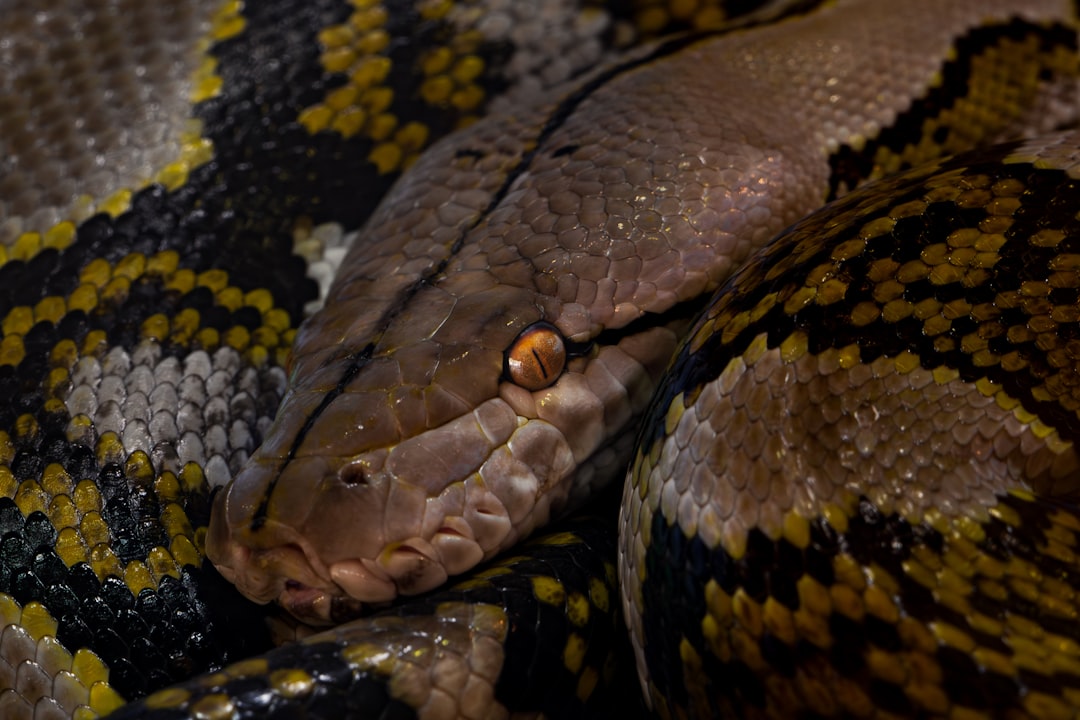
Photo by Husam Harrasi on Unsplash
Determining the Correct Prey Size for Your Ball Python
The most common error in ball python feeding is offering prey that is either too small to provide adequate nutrition or too large for the snake to safely swallow and digest. Unlike many other reptiles, such as the species discussed in this Bearded Dragon Care Guide For Beginners, ball pythons are heavy-bodied constrictors that can handle relatively large prey, but their metabolism is slow. The industry standard for sizing is to offer a prey item that is approximately 1.0 to 1.25 times the width of the snake at its thickest point. If the meal is the correct size, you should see a slight, noticeable bulge in the snake’s midsection after ingestion, which should disappear within 24 to 48 hours.
For those who prefer a more data-driven approach, weighing your snake and its prey on a digital gram scale is the most reliable method. For hatchlings and juveniles under 500 grams, the meal should represent roughly 10% to 15% of the snake’s total body weight. As the snake matures and its growth rate slows, this percentage should decrease. An adult ball python over 1,000 grams typically only requires a meal that is 5% to 7% of its body weight. Overfeeding an adult snake leads to obesity, which puts significant strain on the heart and liver, eventually shortening the animal’s lifespan.
When your snake reaches the juvenile stage, you’ll need to grab a pack of RodentPro Frozen Reptile Feeder White Medium Mice 50 Count to maintain its growth trajectory. It is important to remember that ball pythons have a highly specialized jaw structure that allows them to consume large items, but forcing a meal that is too large can result in regurgitation. Regurgitation is a medical emergency for a snake because it depletes essential gut flora and causes esophageal burning from stomach acid. If a snake regurgitates, you must wait at least two weeks before attempting to feed again to allow the digestive tract to heal. Always lean toward a slightly smaller meal if you are in doubt about the snake’s ability to handle the size.
Establishing a Ball Python Feeding Schedule
Consistency is the foundation of a healthy reptile. While snakes do not eat on a daily basis, their biological systems thrive when they can predict when resources will be available. The frequency of your feeding schedule must change as the snake progresses through different life stages. Hatchlings are in a period of rapid cellular development and require frequent energy intake. For a ball python in its first six months of life, a feeding interval of every 5 to 7 days is appropriate. This ensures they have the protein and calcium necessary for bone and muscle growth without causing the “power feeding” issues that can lead to early organ failure.
As the snake enters the sub-adult phase (roughly 500 to 1,000 grams), the schedule should shift to once every 10 to 14 days. During this time, the snake is still growing but at a much slower pace. Feeding too frequently at this stage often leads to the snake “self-regulating” and refusing meals, which many keepers mistake for a health problem. By extending the time between meals, you allow the snake to fully clear its digestive tract and build a healthy appetite. For fully grown adults, a schedule of every 21 to 28 days is often sufficient to maintain a healthy weight.
You must also account for the snake’s natural cycles, such as the shedding process (ecdysis). When a ball python enters “blue” (the stage where its eyes turn opaque), its skin becomes tight and its vision is impaired. Most ball pythons will refuse food during this time because they feel vulnerable. It is best to skip the scheduled feeding during the shed cycle and resume once the snake has fully cast its skin. This prevents wasted prey and reduces stress on the animal. For keepers managing larger collections or older adults, you should pick up RodentPro Frozen Reptile Feeder White Large Mice 50 Count to ensure you have the appropriate size for those longer-interval feedings.
A Step-by-Step Guide to Safe Thawing and Presentation
Safety Warning: When preparing frozen-thawed rodents, never use a microwave, as this creates dangerous “hot spots” that can burn the snake internally or cause the prey to explode. Always use a dedicated pair of feeding tongs, such as the Pangea Reptile 12-inch Feeding Tongs, to avoid your hand being mistaken for prey. Ensure your home has functioning carbon monoxide detectors if you use gas-powered water heaters for thawing, and always wash your hands thoroughly with antibacterial soap after handling rodents to prevent Salmonella transmission.
The method you use to prepare and present food is just as important as the food itself. Ball pythons rely heavily on their heat-sensing pits located along their upper lip. If the prey does not “glow” with a heat signature that mimics a living animal, the snake may not recognize it as food.
- Thaw in the Refrigerator: Place the frozen rodent in a sealed plastic bag and let it thaw in the refrigerator for 12 to 24 hours. Slow thawing prevents the rapid bacterial growth that can occur if a rodent is left out at room temperature.
- Warm in a Water Bath: Once fully thawed, submerge the sealed bag in warm water (approximately 100°F) for 10 to 15 minutes. The goal is to bring the rodent’s internal temperature to roughly 98°F to 100°F.
- Targeted Head Heating: Use a hair dryer or dip the head of the rodent directly into very hot water for 30 seconds immediately before offering it to the snake. This makes the head the hottest part of the prey, giving the snake a clear target for a strike.
- The Presentation: Use long feeding tongs to grasp the rodent by the base of the tail or the scruff of the neck. Gently wiggle the prey in front of the snake’s hide box to simulate movement. Avoid “poking” the snake with the rodent, as this can trigger a defensive flight response rather than a feeding response.
- The Leave-In Method: If the snake strikes and misses or seems shy, you can leave the rodent on a flat piece of cardboard or a plastic lid inside the enclosure overnight. Many ball pythons are “closet eaters” and prefer to consume their meal in total darkness without an audience.
This process ensures the prey is safe for consumption and appealing to the snake’s predatory instincts. If the snake has not eaten the rodent by morning, remove it and dispose of it immediately; never re-freeze a thawed rodent.
Environmental Factors Affecting Feeding Success
If your ball python is refusing food despite correct prey sizing and preparation, the issue is almost certainly environmental. Ball pythons are a shy, nocturnal species that requires a high degree of security to feel comfortable enough to eat. In the wild, a snake that is eating is vulnerable to predation, so if your enclosure is too open or the temperatures are incorrect, the snake’s survival instinct will override its hunger. You must ensure the habitat meets the specific physiological needs of the species.
Temperature is the primary driver of reptile digestion. According to the Merck Veterinary Manual, reptiles are ectothermic and rely on external heat to trigger the enzymes required to break down food. Your enclosure must have a thermal gradient, with a “hot side” featuring a surface temperature of 88°F to 92°F and a “cool side” around 75°F to 80°F. If the overall temperature is too low, the food will sit in the snake’s stomach and rot (putrefy) before it can be digested, leading to serious illness. Conversely, if the enclosure is too hot, the snake will be too stressed to eat.
Humidity is the second critical factor. Ball pythons require a humidity level of 60% to 70% at all times. Low humidity leads to dehydration and poor sheds, both of which are leading causes of food refusal. Furthermore, the enclosure must have at least two identical hide boxes, one on the hot side and one on the cool side. This allows the snake to choose its temperature without sacrificing its sense of security. If the snake has to choose between being warm and being hidden, it will usually choose to hide, which leads to a drop in metabolic rate and a subsequent refusal to eat. If you are also keeping other reptiles, such as those mentioned in the Leopard Gecko Morphs Color Guide, remember that ball pythons have much higher humidity requirements and cannot be kept in the same environmental conditions.
Common Mistakes and Troubleshooting Food Refusals
When a ball python stops eating, the keeper’s first instinct is often to try “tricks” like braining the rodent (cutting the skull to release scent) or switching prey types. While these can work, they are often unnecessary if you address the fundamental mistakes keepers make. One of the most common mistakes is moving the snake to a separate “feeding tub.” This practice was once popular but is now discouraged by modern husbandry standards, such as those recommended by the Association of Reptilian and Amphibian Veterinarians. Moving the snake causes unnecessary stress and increases the risk of a defensive bite or a post-feeding regurgitation when you move the snake back to its home. Always feed the snake inside its primary enclosure.
Another frequent problem is “hovering.” Ball pythons are sensitive to vibrations and shadows. If you are standing over the enclosure, moving your hands, or keeping the room lights bright, the snake may feel threatened. Try offering the food at night, with the room lights off, using only a dim red light or a flashlight if necessary to see. If the snake refuses, do not try again the next day. This creates a cycle of “pestering” that further stresses the animal. Wait at least one full week before making another attempt. Constant offering of food to a snake that is not hungry is one of the fastest ways to turn a short-term fast into a long-term hunger strike.
Check for signs of illness if the refusal lasts more than four or five weeks and is accompanied by weight loss. While a healthy adult can go months without eating and lose very little mass, a sick snake will show a “triangular” body shape where the spine becomes prominent. Look for respiratory infection symptoms, such as wheezing, bubbles at the nose, or an open-mouthed posture. If these signs are present, the snake requires veterinary intervention, as it will not eat while its immune system is compromised. Finally, ensure you are not over-handling your snake. A ball python that is handled daily is often too stressed to maintain a regular feeding response. Limit handling to once or twice a week, and never handle the snake for 48 hours after a successful meal.
FAQ
How long can a ball python safely go without eating?
A healthy, well-hydrated adult ball python can easily go three to six months without eating and suffer no long-term ill effects. Their metabolism is incredibly efficient, and they are biologically prepared for seasonal fluctuations in food availability. In the wild, this often coincides with the “cool” or “dry” season. However, you should monitor the snake’s weight weekly during a fast. If the snake loses more than 10% of its body weight, it is time to re-evaluate your husbandry or consult a reptile-specialist veterinarian. For hatchlings, the window is much smaller; they should not go more than four to six weeks without a meal before intervention is required.
My snake only eats live food; how do I switch it to frozen-thawed?
Switching from live to frozen-thawed (F/T) requires patience and a bit of “theatrical” presentation. The most effective method is the “zombie dance,” where you use tongs to move the warmed rodent in a way that mimics a live animal - jerky, small movements rather than a steady hover. You can also try “scenting” the room by placing the thawing rodent on top of the enclosure’s screen lid for 30 minutes before feeding. This triggers the snake’s feeding response before the cage is even opened. If the snake still refuses, you may need to try “braining” the rodent or offering a different color rodent, as some ball pythons are surprisingly visually oriented.
Why does my ball python strike at the food but not constrict or eat it?
This behavior is often a “defensive strike” rather than a feeding strike. The snake is essentially telling the prey (or you) to back off. This happens when the snake is stressed, feels cornered, or if the prey item was presented too aggressively. It can also occur if the prey is not warm enough; the snake detects a “presence” but not a “meal.” If your snake strikes and lets go, or strikes with a closed mouth, it is a clear sign to stop the feeding session, turn off the lights, and try again in a week. Ensure your enclosure has enough clutter (fake plants, cork bark) so the snake feels hidden even when it is out of its hide.
Conclusion
Successfully feeding a ball python is a matter of mastering environmental variables and understanding the unique biological triggers of the species. By selecting the correct prey size, maintaining a consistent schedule, and ensuring your temperatures and humidity are within the required ranges, you can eliminate the vast majority of feeding issues. Remember that a refusal to eat is a communication from your snake about its comfort level or its environment. Stay patient, keep a detailed feeding log, and avoid the temptation to constantly change the enclosure layout. If you provide a secure, warm, and humid habitat, your ball python will eventually reward you with a strong and consistent feeding response.
To stay updated on the latest reptile care standards, consider bookmarking this site for future reference.
Related Reading
<div class=”author-