How to Breed Crested Geckos: A Beginner's Overview
Breeding crested geckos is one of the more rewarding parts of keeping this species. The process is relatively straightforward compared to many reptiles - no complex lighting schedules, no brumation, and no specialized incubation temperatures. That said, getting consistent healthy clutches requires attention to animal conditioning, proper setup, and careful egg management.
This guide covers the full cycle for beginners: from assessing whether your geckos are ready, through pairing and egg laying, to incubating eggs and caring for hatchlings.
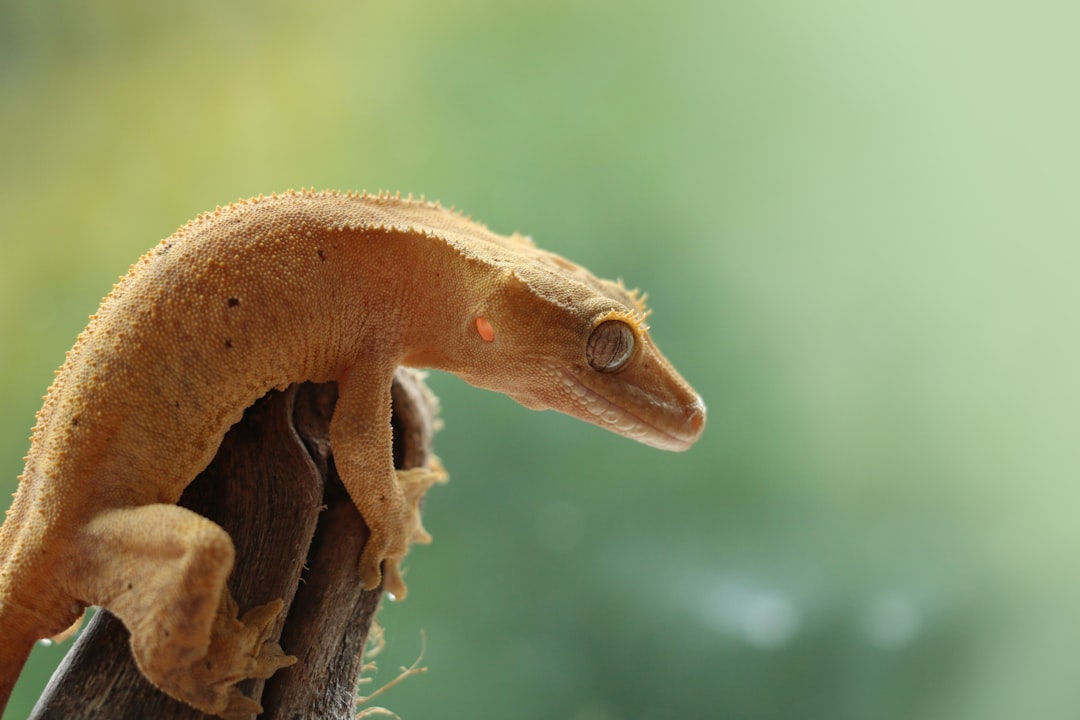
Photo by Pierre Bamin on Unsplash
Health note: Egg production is physically demanding on female crested geckos. A female that drops significant weight, shows persistent lethargy, or stops eating during breeding season should be separated from the male and evaluated by a reptile-experienced veterinarian. Egg binding (dystocia) is uncommon in crested geckos but does occur and requires prompt veterinary care.
Before You Start: Is Your Crested Gecko Ready to Breed?
The most common mistake beginners make is pairing geckos before the animals are mature enough. Breeding an undersized female puts her at serious risk - egg production taxes the body heavily, and a gecko that hasn’t reached full skeletal and nutritional maturity will struggle to sustain it.
Weight and Age Minimums
The widely accepted minimum weight for breeding females is 35 grams, with many experienced breeders preferring to wait until 45-50 grams for a gecko’s first season. Age alone is not a reliable indicator - some females reach 35 grams at 18 months, others not until 24 months or longer. Use our crested gecko weight and growth chart to track your female’s progress and confirm she’s within a healthy range for her age.
Males mature faster and can breed at a lighter weight - most are ready around 25-30 grams. That said, a male who is too young or too lightweight will be less effective as a breeder and may be persistently aggressive with the female.
Pre-Breeding Conditioning
Both geckos should be in excellent health before introduction. In our experience, the two months before pairing matter more than most keepers expect. Run through this checklist before introducing a pair:
- Both geckos are eating consistently and maintaining or gaining weight
- No signs of parasites, respiratory infection, or incomplete sheds
- The female has had time off if she was bred in a previous season
- Both geckos are being offered calcium supplementation on a regular schedule
For calcium supplementation timing and dosing, our crested gecko temperature and humidity care guide touches on the role temperature and condition play in breeding readiness.
Setting Up a Crested Gecko Breeding Pair
Crested geckos are not communal animals. Outside of breeding introductions, males and females should be housed separately. A male left with a female year-round will stress her, cause weight loss, and dramatically shorten her productive breeding life.
Introduction Method
There are two approaches to introducing a breeding pair: temporary cohabitation and supervised introduction.
Temporary cohabitation means moving the female into the male’s enclosure for 3-6 weeks, then separating them. Most breeders use this method during the spring and early summer when the geckos are naturally most active.
Supervised introductions - where you place both geckos together for a few hours at a time under observation - work well for new pairs or if either animal has shown aggression previously.
Watch the first introduction closely. Copulation typically happens at night and involves the male biting the female’s neck or flank - this is normal mating behavior. However, if the female is fleeing continuously, losing weight, or showing bite wounds that don’t heal, separate the animals and reassess.
Sexing Your Geckos
Correct sexing is essential before any breeding attempt. A male placed with another male will fight, sometimes seriously. Our crested gecko male or female guide covers how to identify sex reliably by hemipenal bulges and preanal pores - both visible once a gecko reaches about 15-20 grams.
What to Expect During Breeding Season
Crested geckos follow a loose seasonal pattern in captivity, even without temperature manipulation. Breeding activity tends to peak from late winter through summer (roughly February through August in the Northern Hemisphere), and many females slow or stop egg production in fall and winter. This natural rest period is important - females who produce eggs year-round without a seasonal break are at higher risk of nutritional depletion and reproductive failure.
During the active breeding season, a conditioned female typically lays one clutch (two eggs) every 4-6 weeks. A full season often produces 8-12 eggs from a healthy female.
Feed breeding females more frequently than usual and monitor weight weekly. A female losing more than 5-10% of her body weight over a laying season needs a break - separate her from the male, boost feeding, and give her several months to recover before reintroducing.
Crested Gecko Egg Laying: Setting Up the Lay Box
Females need a suitable place to deposit eggs. Without a proper lay box, a female may retain eggs (a condition called egg binding) or drop them in unsuitable locations where they quickly desiccate.
Lay Box Setup
A lay box is a container partially filled with a moist laying medium - usually coconut fiber, organic topsoil, or a 50/50 mix of both. The medium should be damp enough to hold its shape when squeezed but not wet enough to release water. Depth should be at least 4-5 inches so the female can dig to a comfortable depth.
The Pangea Breeding and Nesting Box is sized well for crested geckos and has a lid with a hole cut for entry, which keeps the medium from drying out too quickly between checks.
Place the lay box in the lower section of the enclosure where it stays slightly cooler and more humid. Most females will investigate it and begin using it within a week or two of introduction.
Finding and Retrieving Eggs
Check the lay box every 7-10 days during breeding season. Crested gecko eggs are oval, white, and leathery - roughly the size of a jellybean when freshly laid. When you find eggs, do not rotate them. Mark the top of each egg with a small pencil dot immediately after finding it, so you can maintain the correct orientation during transfer to the incubation container.
Eggs that are properly fertilized remain firm and white and develop a visible pink blush (from developing blood vessels) within a few weeks. Infertile or dead eggs typically collapse, turn yellow, or grow mold relatively quickly.
For a detailed breakdown of what to expect during the laying process, our crested gecko egg laying and incubation guide covers the full laying cycle, egg identification, and common complications.
Incubating Crested Gecko Eggs
One of the things that makes crested geckos beginner-friendly from a breeding standpoint is that they incubate well at normal household temperatures. Most clutches develop successfully at 68-76 degrees Fahrenheit (20-24 degrees Celsius), without specialized incubation equipment.
Incubation Medium
The standard incubation medium for crested gecko eggs is vermiculite mixed with water at roughly a 1:1 ratio by weight, or moistened perlite. The medium should be damp but not wet - if you squeeze a handful, it should not release water.
Place eggs half-buried (or resting on top) in the medium in a small deli container with the lid either sealed or perforated with a few small holes. Mark the top of each egg with a pencil before placing so the orientation is preserved.
Incubation Equipment
At room temperature incubation, a basic setup works: a lidded container in a stable room with a consistent temperature. Avoid spots near windows (temperature swings), heater vents, or air conditioning outlets.
If you want more control, the Zoo Med ReptiHatchr Egg Incubator is a practical entry-level option. It holds temperature within a narrow range and keeps the humidity consistent without active monitoring. This is worth the investment if you’re running multiple clutches at once or your home has significant temperature variation between seasons.
Incubation Duration
At 72 degrees Fahrenheit, most crested gecko eggs hatch in 60-90 days. Cooler temperatures slow development (eggs at 68 degrees may take 100+ days); warmer temperatures accelerate it. There is some evidence that slightly cooler incubation temperatures produce more females in the clutch, though the correlation is not as strong as in some other reptile species.
Hatching and Hatchling Care
Hatchlings pip (slice open the egg with their egg tooth) and typically stay inside the egg for 12-24 hours before fully emerging. Do not assist the process - interfering with a pipping egg almost always causes more harm than help. Once the hatchling has fully emerged and the egg has collapsed, you can move the animal to its own housing.
Housing Hatchlings
Hatchlings should be housed individually from the start. A small enclosure - 6x6x12 inches or a comparable deli cup setup with ventilation - is appropriate for the first few months. Keep the setup simple: paper towel or coco fiber substrate, a small hide, one or two climbing structures, and a water dish.
Feed hatchlings the same complete-diet gecko food you use for adults, offered in a small dish 3-4 times per week. In our experience keeping hatchlings, smaller amounts more frequently - refreshing the dish every 2 days - works better than putting out a larger portion that dries out before the hatchling finishes it.
Pangea Fruit Mix Complete Crested Gecko Food works well for hatchlings mixed slightly thinner than the adult consistency. Start with just a small pea-sized amount per feeding to minimize waste while the gecko is still establishing its feeding routine.
Track each hatchling’s weight weekly for the first two months using a digital kitchen scale. Healthy hatchlings gain steadily - a gecko that isn’t gaining weight by four weeks old warrants closer attention to feeding schedule and enclosure humidity. The weight benchmarks in our crested gecko weight and growth chart give you targets to compare against.
When to Introduce Insects
Hatchlings can start taking small prey items (fruit flies, pinhead crickets) at 3-4 weeks old, once they are eating their CGD reliably. Feeder insects should be no larger than the space between the gecko’s eyes. Dust all live feeders with calcium powder before offering.
For a broader overview of how diet evolves as crested geckos grow, the Reptifiles crested gecko care guide includes a solid breakdown of nutrition and supplementation requirements at different life stages.
Recommended Products
Three products we use consistently in our breeding setup:
- Pangea Breeding and Nesting Box - Sized correctly for crested geckos, with a covered entry that slows medium drying.
- Zoo Med ReptiHatchr Egg Incubator - A practical low-cost incubator for keepers running multiple clutches or in rooms with variable temperatures.
- Pangea Fruit Mix Complete Crested Gecko Food - The staple diet for both breeders and hatchlings; mixes well at different consistencies depending on age.
As an Amazon Associate we earn from qualifying purchases at no extra cost to you.
Ready to go deeper? Our crested gecko egg laying and incubation guide covers the full laying timeline, egg candling, and what to do if eggs stall.