Best Leopard Gecko Enclosures and Heating Setups
This post contains affiliate links. As an Amazon Associate, I earn from qualifying purchases at no extra cost to you.
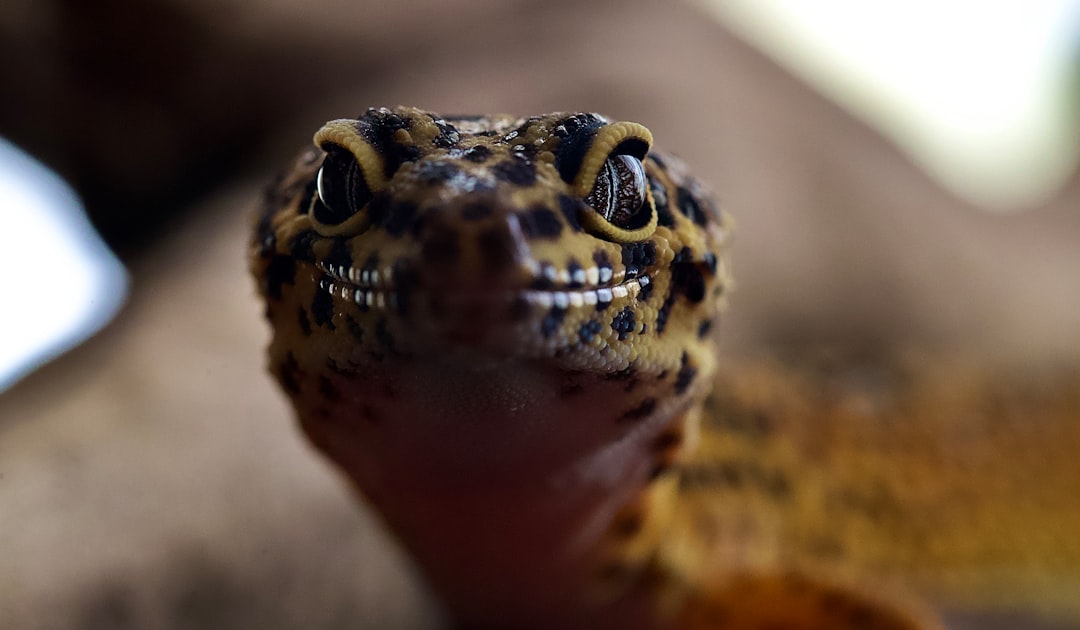
Photo by Andrey Tikhonovskiy on Unsplash
Most leopard gecko kits sold in big-box pet stores are fundamentally flawed. They prioritize shelf space and profit margins over the biological requirements of Eublepharis macularius. If you have ever purchased a “starter kit” only to find yourself replacing the heat mat, the thermometer, and the substrate within three months, you are not alone. These animals are incredibly hardy, which is often their curse. They can survive in subpar conditions for years, but they only truly thrive when their environment mirrors the complex thermal landscape of the dry, rocky grasslands of Afghanistan and Pakistan.
Setting up a leopard gecko enclosure is not just about picking a glass box. It is about creating a functional thermal gradient where your gecko can choose its own body temperature with precision. In our experience with leopard geckos, the relationship between the enclosure material and the heating source is the single most important factor in preventing metabolic issues and digestive impaction. If the heat does not penetrate the tissue deeply enough, the gecko cannot process its food. If the enclosure is too small, the gecko cannot escape the heat. This guide will cut through the marketing noise and show you how to build a setup that actually works for the long term.
The Foundations of Leopard Gecko Enclosure Design
When choosing an enclosure, floor space is the only metric that matters. Leopard geckos are terrestrial. While they will occasionally climb low branches or rock outcrops, they do not have the specialized toe pads of their arboreal cousins. They rely on horizontal movement to regulate their temperature. For a long time, the industry standard was a 20 gallon long tank, but as our understanding of reptile welfare has evolved, we have seen that larger is almost always better.
The REPTIZOO Glass Reptile Terrarium 20 Gallon Long is a solid entry point for juveniles or keepers with limited space. The “long” designation is critical here. A standard 20 gallon high tank is useless for a leopard gecko because it lacks the footprint required for a proper heat gradient. The Reptizoo model is particularly effective because it utilizes front-opening doors. This is a massive advantage over top-opening aquarium tanks. Leopard geckos have a parietal eye (a light-sensitive spot on top of their head) that detects shadows from above. Reaching in from the top mimics a predatory bird, which triggers a flight or fight response. Front-opening enclosures allow you to interact with your gecko at their level, which significantly reduces stress during handling and maintenance.
Glass remains the most popular material for these setups because it is easy to clean and allows for high visibility. However, glass is a poor insulator. If you live in a cold climate, you will find that a glass enclosure loses heat rapidly through the sides. You can mitigate this by adding foam backgrounds or even blacking out three sides of the tank with construction paper. This not only helps hold the heat in but also makes the gecko feel more secure. For a detailed look at how to prepare for a new arrival, you should check out our guide on Setting Up a Quarantine Tank for New Reptiles to ensure your enclosure is sterile and ready.
The screen top is another vital component. It needs to be sturdy enough to support heavy heat lamps without sagging. Cheap mesh can melt or warp under the intense heat of a halogen bulb. High-quality terrariums use a stainless steel mesh that allows for maximum airflow while standing up to the high temperatures required for a basking spot. Remember that the goal of the enclosure is to provide a secure perimeter that you can manipulate to create a miniature ecosystem.
Thermal Gradients and the Myth of Belly Heat
For decades, the reptile hobby was obsessed with the idea of “belly heat.” The prevailing wisdom was that leopard geckos needed heat mats (Under Tank Heaters or UTH) because they absorb heat through their stomachs to digest food. While it is true that they utilize conductive heat from warm rocks in the wild, the idea that they only need belly heat is a dangerous oversimplification. In nature, the sun warms the rocks from above. The rocks then hold that energy and release it.
A heat mat provides Infrared C, which is a long-wave radiation that only warms the surface of the skin. It does not penetrate deep into the muscle tissue or organs. To achieve true physiological health, leopard geckos need Infrared A and Infrared B, which are provided by overhead heat sources like halogen flood lamps or Deep Heat Projectors. These wavelengths mimic the sun and allow the gecko to reach deep-tissue thermoregulation. This is why you will often see a gecko “splooting” (stretching its legs out) under a heat lamp. They are maximizing their surface area to soak up those deep-penetrating rays.
To set up a proper gradient, you must place all your heating elements on one far side of the enclosure. This creates a “warm side” and a “cool side.” For a leopard gecko, the warm side ambient temperature should sit between 85 and 90 degrees Fahrenheit. The actual basking surface (the rock directly under the lamp) should reach 94 to 97 degrees Fahrenheit. The cool side should be significantly lower, ideally between 75 and 80 degrees Fahrenheit. Without this 15-degree spread, the gecko cannot move to cool down, which can lead to chronic dehydration and heat stress.
We recommend using a digital infrared thermometer (a “temp gun”) to check these surfaces. Stick-on analog thermometers are notoriously inaccurate and often measure the temperature of the glass rather than the air or the basking surface. If your ambient temperatures are too low, especially at night, you may need a supplemental heat source that does not emit light. This is where a ceramic heat emitter becomes a valuable tool in your kit.
Primary and Secondary Heating Tools
Choosing the right bulb is the difference between a lethargic gecko and an active one. For your primary daytime heat source, nothing beats a halogen flood lamp. It provides the most natural spectrum of infrared radiation. However, halogens produce light, meaning they must be turned off at night to maintain the gecko’s circadian rhythm. Leopard geckos are crepuscular, meaning they are most active at dawn and dusk. They need a clear distinction between day and night.
If your home drops below 65 degrees Fahrenheit at night, you need a secondary heat source that stays dark. The Zoo Med Ceramic Heat Emitter 100W is the industry standard for this purpose. Unlike a heat lamp, a Ceramic Heat Emitter (CHE) produces no visible light. It emits Infrared C, which is perfect for maintaining ambient air temperatures during the night or boosting the heat during a cold winter. The 100W version is powerful enough to penetrate through the mesh of a 20 or 40 gallon tank without being so intense that it creates hot spots.
It is important to understand that CHEs get extremely hot to the touch. You must use them in a ceramic (porcelain) socket fixture, as plastic sockets will melt and create a fire hazard. We prefer to use the CHE as a “fail-safe” rather than a primary heat source. In our own setups, we set the CHE to kick in only if the enclosure drops below 70 degrees. This allows for a natural night-time temperature drop, which is beneficial for the animal’s metabolic health.
When integrating these tools, placement is everything. The primary halogen should be positioned over a flat piece of slate or a dark rock. This rock will act as a thermal battery, absorbing the heat during the day and providing a warm surface for the gecko to lay on as the lights go out. This mimics the “crepuscular basking” they do in the wild. The CHE should be positioned near the center or the warm side to keep the air from getting too chilly, but never on the cool side. The cool side must remain a sanctuary of lower temperatures.
Automation and Safety with Thermostats
Every single heating element in a reptile enclosure must be connected to a thermostat. There are no exceptions to this rule. A heat lamp or ceramic heater left unregulated can easily reach temperatures exceeding 120 degrees Fahrenheit, which can kill a leopard gecko in a matter of hours. Furthermore, unregulated heating elements are a leading cause of house fires in the reptile hobby.
For non-dimming heat sources like the Zoo Med CHE or a heat mat, the Inkbird ITC-308 Digital Temperature Controller is an excellent, cost-effective solution. This device uses a waterproof probe that you place inside the enclosure to monitor the temperature. You plug your heater into the “heating” outlet on the controller and set your desired temperature. When the probe detects that the enclosure has reached the target, it cuts power to the heater. When the temperature drops, it turns it back on.
The Inkbird ITC-308 is particularly useful because it features a dual-display. It shows you the current temperature and your set point simultaneously. It also has a built-in alarm system that will beep if the temperature exceeds your high or low thresholds. This provides a massive amount of peace of mind for the keeper. If a bulb blows or a heater fails in the “on” position, you will be alerted before it becomes a tragedy.
However, a word of caution on probes: placement is everything. If you are using a thermostat to control a basking lamp, do not hang the probe in mid-air. It should be secured to the basking surface itself or very close to it. If the probe is in a cold corner, the thermostat will keep the heater running indefinitely, potentially overheating the basking spot. We use small drops of hot glue or silicone to secure probes so that geckos cannot move them while exploring. For more on the basics of keeping these animals healthy, read our Leopard Gecko Care Guide for Beginners.
Step-by-Step Guide to Setting Up the Thermal Gradient
Building a functional gradient is an art form that requires testing before you ever introduce the animal. You should always run your setup for at least 48 to 72 hours before the gecko arrives to ensure the temperatures are stable. A fluctuating environment is one of the quickest ways to stress a new reptile.
- Position the Enclosure: Place your terrarium on a sturdy, level surface away from direct sunlight and drafty air conditioning vents. Direct sunlight can cause the glass to act like a magnifying glass, creating lethal temperature spikes.
- Install the Basking Surface: Place a flat rock or slate tile on the far left or far right side of the enclosure. This will be the “hot spot.” Ensure it is not so high that the gecko can touch the heat lamp mesh.
- Mount the Primary Heat Source: Place your halogen flood lamp directly over the basking rock. Adjust the height of the lamp or the thickness of the rock until your infrared temp gun reads between 94 and 97 degrees Fahrenheit on the rock surface.
- Set Up the Night Heat: Position your Zoo Med Ceramic Heat Emitter 100W in a separate dome next to the halogen. This will handle your ambient temperatures and night-time needs.
- Configure the Thermostat: Plug the CHE into the Inkbird ITC-308 Digital Temperature Controller. Secure the probe to the warm side wall, about two inches above the substrate. Set the Inkbird to 88 degrees for daytime. If you are using it for night-time only, set it to 72 degrees.
- Verify the Cool Side: Place a digital thermometer/hygrometer probe on the opposite end of the tank. Ensure this area stays between 75 and 80 degrees. If it is too warm, you may need more ventilation or a lower wattage bulb.
- Add the Hides: You need at least three hides. One on the warm side (over the basking area), one on the cool side, and a humid hide in the middle. The humid hide is essential for proper shedding and should contain damp moss or paper towels.
This “three-hide” system is the backbone of leopard gecko husbandry. It allows the gecko to choose between warm/dry, cool/dry, and warm/moist. According to ReptiFiles, providing these choices is the most effective way to prevent respiratory infections and stuck shed.
Heating Source Comparison Framework
When deciding which tools to use for your specific home environment, use the following framework to balance cost, efficiency, and biological benefit.
| Heat Source | Best Used For | Wavelength | Requires Thermostat? | Pros | Cons |
|---|---|---|---|---|---|
| Halogen Flood | Primary Daytime Heat | IR-A & IR-B | Yes (Dimmer) | Most natural; deep tissue penetration. | Emits light; cannot be used at night. |
| Deep Heat Projector | 24/7 Supplemental | IR-A & IR-B | Yes | No light; deep penetration; safe for night. | More expensive than CHE or Halogen. |
| Ceramic Heat Emitter | Night Heat / Ambient | IR-C | Yes | Cheap; durable; no light. | Only warms air; very hot surface. |
| Heat Mat (UTH) | Secondary Conductive | IR-C | Yes | Good for rack systems or small tanks. | No ambient heat; potential for burns. |
In our experience, a combination of a Halogen for the day and a CHE for the night provides the most reliable and budget-friendly setup for the average keeper. The Halogen provides the “sun” while the CHE provides the “earth’s warmth” after dark.
Troubleshooting Common Leopard Gecko Enclosure Problems
Even with the best equipment, you will likely encounter environmental challenges. The most common issue is the “Summer Spike.” During the warmer months, your house’s ambient temperature rises, which can push your enclosure’s warm side into the 100s. If this happens, you must have a dimming thermostat or a manual dimmer switch for your halogen. Reducing the power by even 20 percent can bring the temperatures back into the safe zone.
Another frequent problem is low humidity. While leopard geckos are from arid regions, they are not desert animals in the way most people think. They live in burrows where the humidity is higher than the surface. If your enclosure stays below 20 percent humidity, your gecko will struggle to shed, particularly on their toes and tail tip. This can lead to constricted blood flow and eventual loss of digits. To fix this, ensure your humid hide is always damp and consider a light misting of the substrate once a week. Do not over-mist, as constantly wet substrate can cause scale rot.
Finally, watch for “glass surfing.” If your gecko is constantly scratching at the glass or trying to climb the corners, it is often a sign that the thermal gradient is broken. They are trying to find a way out because they are either too hot or too cold. Re-verify your temperatures with your temp gun. If the temperatures are correct, the issue might be a lack of clutter. Leopard geckos hate open spaces. Adding more fake plants, cork bark, and rocks will make them feel secure enough to stop pacing the glass.
FAQ: Frequently Asked Questions
Can I use a red light for night-time viewing?
No. This is one of the most persistent myths in reptile keeping. For a long time, it was believed that reptiles could not see red light. We now know that leopard geckos can absolutely see it, and it can disrupt their sleep patterns and cause significant stress. Using a red light at night is like trying to sleep with a neon sign in your bedroom. If you want to see your gecko at night, use a very dim moonlight-style LED or simply use a flashlight briefly. For constant night-time heat, stick to a lightless source like a Ceramic Heat Emitter or a Deep Heat Projector.
Is a 20 gallon tank really big enough for an adult?
While a REPTIZOO Glass Reptile Terrarium 20 Gallon Long meets the technical minimum requirements, we strongly recommend a 40 gallon breeder (36 x 18 x 18 inches) for an adult leopard gecko. A 20 gallon long is about 30 inches wide. By the time you put in three hides, a water bowl, and a calcium dish, there is very little floor space left for the gecko to exercise. A 40 gallon tank allows for a much more distinct thermal gradient and more room for enrichment like climbing branches and varied textures. If you start with a 20 gallon, plan to upgrade once your gecko reaches its full size at around 12 to 18 months.
Why is my gecko always hiding and never basking?
Leopard geckos are cryptic baskers. In the wild, they rarely sit out in the open sun because they would be eaten by birds or foxes. Instead, they might just poke their tail or a portion of their back out from under a rock. If your gecko is always in its hide, it is likely doing its basking “secretively.” As long as the gecko is eating, pooping, and shedding normally, this is not a cause for concern. However, if they never come out even at night, check your temperatures. If the tank is too cold, they will become lethargic. If it is too hot, they will hide in the coolest spot they can find and stay there to survive.
Conclusion
Creating the perfect leopard gecko setup is about mastering the balance between enclosure space and thermal energy. By moving away from the outdated “belly heat” philosophy and embracing overhead heating with tools like the Zoo Med Ceramic Heat Emitter and the Inkbird ITC-308 thermostat, you are providing your gecko with the tools it needs for a long, healthy life. Remember that the enclosure is a dynamic environment. You must monitor it daily and make adjustments as the seasons change. A proactive keeper is the best defense against the health issues that plague so many pet geckos.
If you found this guide helpful, please bookmark it for future reference as you refine your reptile room.
Related Reading: