Leopard gecko diet: feeders, supplements, and schedules
This post contains affiliate links. We may earn a commission if you purchase through our links at no extra cost to you.
Transitioning from a frugivorous species like the crested gecko to a strict insectivore like the leopard gecko requires a total shift in your mindset regarding nutrition. You cannot simply mix a powder with water and call it a day when planning a leopard gecko diet. Leopard geckos are opportunistic hunters that rely on the movement, protein structure, and mineral content of live prey to maintain their metabolic functions. If you get the diet wrong, you are not just looking at a picky eater. You are looking at a slow-motion health crisis involving metabolic bone disease, follicular stasis, or organ failure. I have seen far too many keepers rely on a single insect species because it is convenient, only to wonder why their gecko is lethargic and dull-colored six months later. To keep these animals correctly, you must treat the diet as a three-pillar system: the selection of high-quality feeders, the rigorous gut loading of those feeders, and a precise supplementation schedule that accounts for the presence or absence of ultraviolet light.
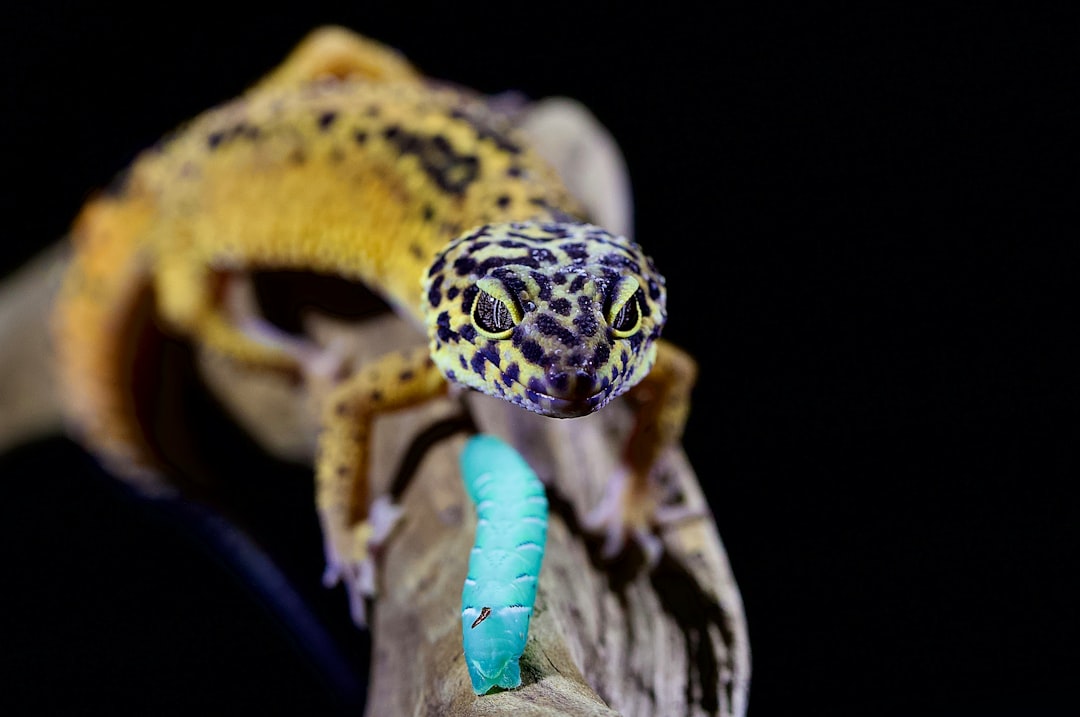
Photo by Andrey Tikhonovskiy on Unsplash
The Foundation of a Leopard Gecko Diet: Choosing the Right Feeders
The most common mistake new keepers make is treating all insects as equal. They are not. In my enclosures, I prioritize insects that offer a high protein-to-chitin ratio. Chitin is the structural material in an insect’s exoskeleton. While leopard geckos can digest it, an over-reliance on high-chitin feeders like mealworms or giant mealworms can lead to impaction if your temperatures are not perfect. This is why I consider the Dubia roach (Blaptica dubia) the undisputed king of the leopard gecko diet. They do not jump, they do not bite, they cannot climb smooth plastic, and they are packed with significantly more meat and less shell than a cricket.
Crickets are the traditional staple, but they are nutritionally inferior and a massive headache to manage. They smell, they die off quickly, and if left in the enclosure, they can actually bite and injure a sleeping gecko. If you must use crickets, they should be a secondary option used for enrichment to encourage hunting behavior. For a truly healthy gecko, you want to rotate between three or four different insects. Black soldier fly larvae (sold as NutriGrubs or Phoenix Worms) are an incredible addition because they are naturally high in calcium, which helps balance the phosphorus levels found in most other feeders.
Silkworms are another “superfood” that I recommend whenever they are available. They contain an enzyme called serrapeptase that aids in calcium absorption and has anti-inflammatory properties. They are soft, easy to digest, and highly palatable even for picky eaters. On the other hand, stay away from waxworms and hornworms as staples. Waxworms are essentially “gecko candy” with a fat content that will lead to hepatic lipidosis (fatty liver disease) if fed more than once every two weeks. Use them only for bonding or to help a rescue gecko put on weight. When you are starting out, refer to my Leopard Gecko Care Guide for Beginners to ensure your husbandry supports the digestion of these various protein sources.
The Science of Gut Loading and Nutrient Density
An insect is only as nutritious as its last meal. If you buy a batch of crickets or roaches from a pet store and feed them immediately to your gecko, you are essentially feeding your pet an empty cardboard box. Gut loading is the process of filling the insect’s digestive tract with high-quality nutrients 24 to 48 hours before they are consumed by the gecko. This is not optional. It is the bridge between a surviving gecko and a thriving one.
I avoid using the “orange cubes” or generic gel water sources sold at big-box pet stores. They are mostly water and food coloring with very little actual nutritional value. Instead, I use a base of high-quality dry chow supplemented with fresh, nutrient-dense vegetables. Squash (butternut or acorn), carrots, sweet potatoes, and collard greens are excellent choices. These vegetables are high in Vitamin A precursors and minerals. Avoid feeding your insects high-oxalate foods like spinach or kale, as oxalates can bind to calcium and prevent your gecko from absorbing it.
The hydration of your feeders also matters. Instead of a water bowl where insects can drown, use slices of raw potato or squash. This provides moisture without the mess. In my experience, a roach that has been gut loaded on a mix of bee pollen, spirulina, and fresh squash produces a much more vibrant and active leopard gecko than one fed on scrap oats and potato skins. You should aim to have your feeder colony established and eating well for at least two days before you offer them to your gecko.
Timing is everything when it comes to nutrient delivery. I recommend feeding your insects a booster meal of bee pollen and high-calcium greens exactly 12 to 24 hours before they are offered to your gecko. This ensures the vitamins are still in the insect’s midgut and have not yet been metabolized or excreted. If you wait 48 hours without refreshing the gut load, the insect will have processed those nutrients, leaving you with a feeder that is significantly less beneficial for your lizard. This ensures the “gut” of the insect is physically distended with the vitamins your gecko needs to maintain its immune system and skin health.
Mastering the Leopard Gecko Diet: Supplementation and Vitamin Cycles
Supplementation is where most keepers get confused, yet it is the most critical component of the leopard gecko diet. In the wild, these geckos consume a vast variety of insects that have been eating wild minerals. In a captive environment, we must recreate this. The two main players are Calcium and Vitamin D3. Leopard geckos need D3 to synthesize calcium. Without it, their bodies will pull calcium from their own bones to maintain blood levels, leading to the flexible, rubbery limbs and “underbite” associated with Metabolic Bone Disease (MBD).
SAFETY WARNING: Metabolic Bone Disease is a painful, permanent, and potentially fatal condition caused by a lack of calcium or Vitamin D3. Conversely, over-supplementing with fat-soluble vitamins like Vitamin A or D3 can lead to toxicity and organ calcification. Always follow a strict schedule and consult a qualified exotics veterinarian if your gecko shows signs of lethargy, swollen joints, or a soft jaw.
If you are using a high-quality UVB light, your gecko will produce its own D3. However, I still recommend a light dusting of a D3 supplement twice a month to ensure there are no gaps. If you are not using UVB, you must provide D3 with every other feeding. I personally use Zoo Med Repti Calcium with D3 for most of my dusting needs. It is a ultra-fine powder that sticks to insects well without choking them. For the feedings where you aren’t using D3, you should use a plain calcium carbonate.
Vitamins are the second half of the equation. You cannot rely on gut loading alone for essential fat-soluble vitamins. I use Zoo Med Reptivite Reptile Vitamins once a week for juveniles and once every two weeks for adults. This provides the necessary Vitamin A (as beta carotene and pre-formed A) that prevents eye issues and stuck shed. To make the feeding process easier and keep your enclosure clean, I recommend using an Exo Terra Reptile Feeding Dish. The smooth surface prevents mealworms or roaches from escaping into the substrate while providing a designated “dinner table” for your gecko.
Feeding Schedules and Life Stage Requirements
A leopard gecko’s nutritional needs change drastically as they grow. A hatchling is a growth machine, requiring massive amounts of protein and calcium to build bone and muscle. An adult, however, is prone to obesity. If you feed an adult gecko every day, you will end up with a “sausage with legs” that has fat deposits behind its armpits and a tail that is wider than its head. This is not healthy; it puts immense strain on the heart and liver.
For hatchlings (0 to 6 months), you should feed every single day. Offer as many insects as they will eat in a 10 to 15-minute window. This is usually between 5 and 10 small insects. At this stage, every feeding should be dusted with calcium. As they move into the juvenile stage (6 to 12 months), you can scale back to every other day. This is the period where you start to see the gecko’s adult proportions take shape.
Once a gecko reaches 12 months, they are considered adults. I feed my adults only two or three times a week. I monitor their tail girth closely. A healthy leopard gecko should have a tail that is roughly the same width as its neck. If the tail becomes wider than the body, you are overfeeding. Conversely, if the tail is thin and “pencil-like,” you need to increase the frequency or the fat content of the feeders.
During the winter months, you must also account for brumation. Even with consistent heat, many geckos sense the seasonal shift and will naturally reduce their intake. Do not panic if an adult gecko refuses food for two weeks in January, provided their tail remains plump. If you are dealing with a rescue gecko that is underweight, avoid the temptation to power feed with waxworms. This can lead to a dangerous metabolic crash. Instead, increase the frequency of high-protein Dubia roaches and use a liquid calcium supplement to support their recovery without overloading their liver with fat. For more on how to set up your environment to support this growth, check out our guide on the Best Leopard Gecko Enclosures and Heating Setups.
Nutritional Profile Comparison of Common Feeders
To help you decide which insects to buy in bulk, I have put together this comparison based on average nutritional data. Note that these values can vary based on the quality of your gut loading.
| Feeder Insect | Protein % | Fat % | Calcium (mg/kg) | Best For |
|---|---|---|---|---|
| Dubia Roach | 23.4% | 7.2% | 800 | Daily Staple |
| Cricket | 20.5% | 6.8% | 345 | Enrichment / Variety |
| Mealworm | 18.7% | 13.4% | 133 | Occasional Variety |
| BSFL | 17.3% | 9.4% | 8000 | Calcium Boosting |
| Silkworm | 9.3% | 1.1% | 177 | Hydration / Sick Geckos |
| Waxworm | 14.1% | 24.9% | 243 | Treats Only |
This data is synthesized from various nutritional studies, including those recognized by the Association of Reptilian and Amphibian Veterinarians. You can see clearly why the Dubia roach and Black Soldier Fly Larvae (BSFL) are the winners here. The calcium content in BSFL is staggering, making them the perfect natural supplement for a growing gecko.
Troubleshooting Common Feeding Issues
Even with the best plan, you will eventually run into a gecko that refuses to eat. The first thing I check is the “hot spot” temperature. Leopard geckos are ectotherms; they require external heat to trigger their digestive enzymes. If your floor temperature is below 88 degrees Fahrenheit, the gecko may feel “heavy” with undigested food and refuse to take more. Always verify your temperatures with a digital probe thermometer or an infrared temp gun before assuming your gecko is just being picky.
Another common issue is “hunger strikes” during the breeding season. Both males and females can go off food for weeks at a time when their hormones kick in. As long as the gecko is not losing significant weight in the tail, do not panic. Continue to offer food on the normal schedule, but remove it if they don’t show interest within 15 minutes. Leaving live insects in the tank will only stress the gecko out further.
Dehydration often mimics a lack of appetite. If you notice your gecko has wrinkled skin that does not snap back when lightly pinched, or if their eyes appear sunken, they may be too dehydrated to hunt. In these cases, you can safely assist-feed by creating a slurry of crushed high-quality insects and a drop of reptile multivitamins. Use a blunt-tipped syringe to place a small drop on the tip of their nose. As the gecko licks it off, they receive both hydration and calories. Never force the syringe into their mouth, as this can cause jaw fractures or aspiration pneumonia.
If you have a rescue gecko that is refusing to hunt, you may need to “scent” the food or use tongs to wiggle the insect in front of them. Some geckos are sight hunters and won’t recognize a stationary worm as food. I have also found that switching the type of feeder can jumpstart a stalled appetite. If you have been feeding mealworms for months, try a few crickets or a silkworm. The change in movement and scent is often enough to trigger a predatory strike. Finally, ensure your Exo Terra Reptile Feeding Dish is placed in a low-traffic area of the tank where the gecko feels secure enough to emerge and eat.
Frequently Asked Questions
Can I feed my leopard gecko wild-caught insects from my backyard?
No, you should never feed wild insects to your leopard gecko. Wild insects are frequently contaminated with pesticides, herbicides, and fertilizers that can be toxic to reptiles. More importantly, wild insects are primary hosts for various parasites, including pinworms and coccidia. While a wild gecko has the immune system to handle a certain parasite load, a captive gecko’s environment is much more sterile, and a parasite bloom can quickly become fatal. Stick to captive-bred insects from reputable suppliers to ensure your gecko stays healthy and parasite-free.
My gecko only wants to eat mealworms. Is that okay?
While mealworms are a common feeder, they are not ideal as a sole staple. They are relatively high in chitin and have a poor calcium-to-phosphorus ratio. If your gecko is “addicted” to mealworms, you need to transition them slowly. Start by offering a Dubia roach or a cricket first. If they refuse, do not give in and offer the mealworms immediately. A healthy gecko can go a few days without eating. Usually, after a few missed meals, their hunger will override their pickiness. Variety is the only way to ensure they are getting a full spectrum of amino acids and minerals.
How do I know if my gecko is getting too much Vitamin D3?
Vitamin D3 toxicity (hypervitaminosis D) is rare but serious. Signs include lethargy, loss of appetite, and in extreme cases, the calcification of soft tissues like the kidneys or heart. This usually only happens if you are using a high-output UVB light AND dusting with high-D3 powder at every single feeding. If you use UVB, you should only use D3 powder once or twice a month as a “safety net.” If you notice your gecko has white, chalky deposits in its urates or seems unusually stiff, consult a vet and review your supplementation logs.
Conclusion
The leopard gecko diet is a dynamic part of husbandry that requires your constant attention. By moving away from the “one-insect” mentality and embracing a varied rotation of roaches, silkworms, and calcium-rich larvae, you provide the biological building blocks your gecko needs for a long life. Remember that gut loading is just as important as the insect itself, and your supplementation schedule must be strictly maintained to prevent the tragedy of metabolic bone disease. Invest in high-quality powders, keep your feeders healthy, and monitor your gecko’s weight through its tail girth. If you do these things, your leopard gecko will reward you with vibrant colors and an active, curious personality for the next twenty years.
Bookmark this guide so you can refer back to the supplementation schedule whenever you add a new gecko to your collection.